REGISTRATION STATEMENT PURSUANT TO SECTION 12(b) OR (g) OF THE SECURITIES EXCHANGE ACT OF 1934 | |||||
OR | |||||
ANNUAL REPORT PURSUANT TO SECTION 13 OR 15(d) OF THE SECURITIES EXCHANGE ACT OF 1934 | |||||
FOR THE FISCAL YEAR ENDED | |||||
OR | |||||
TRANSITION REPORT PURSUANT TO SECTION 13 OR 15(d) OF THE SECURITIES EXCHANGE ACT OF 1934 | |||||
OR | |||||
SHELL COMPANY REPORT PURSUANT TO SECTION 13 OR 15(d) OF THE SECURITIES EXCHANGE ACT OF 1934 | |||||
(Translation of Registrant’s name into English) | ||||
ENGLAND | ||||
Title of each class | Trading Symbol(s) | Name of each exchange on which registered | |||||||||||||
American Depositary Shares (evidenced by Depositary Receipts) each representing one ordinary share of the nominal amount of 3 1/9p each | |||||||||||||||
Title of each class | ||
3.1% Notes due 2025 3.375% Notes due 2025 2.0% Notes due 2026 7.250% Notes due 2026 2.9% Notes due 2027 4.25% Notes due 2027 3.5% Notes due 2028 4.875% Notes due 2028 6.625% Notes due 2028 2.125% Notes due 2029 1.375% Notes due 2030 4.75% Notes due 2031 1.750% Notes due 2031 5.9% Notes due 2032 5.0% Notes due 2033 4.625% Notes due 2034 2.625% Notes due 2051 5.600% Notes due 2097 | ||
U.S. GAAP ☐ | as issued by the International Accounting Standards Board ☒ | Other ☐ |
Cautionary Statement | ||


In this report | |||
Strategic Report | |||
About Unilever | |||
Unilever at a glance | |||
Our Strategy: Growth Action Plan 2030 | |||
Review of the Year | |||
Chair’s statement | |||
Chief Executive Officer’s statement | |||
Unilever Group Financial Review | |||
Business Group Review | |||
Our People & Culture | |||
Sustainability Review | |||
Our Performance | |||
Financial performance | |||
Non-financial performance | |||
Our Principal Risks | |||
Risk management approach | |||
Principal Risks | |||
Viability statement | |||
Governance Report | |||
64 | Governance Report Overview | ||
Board of Directors | |||
Unilever Leadership Executive (ULE) | |||
Operation of the Board | |||
78 | Additional Information | ||
Report of the Nominating and Corporate Governance Committee | |||
Report of the Audit Committee | |||
Report of the Corporate Responsibility Committee | |||
Directors’ Remuneration Report | |||
Financial Statements | |||
Statement of Directors’ Responsibilities | |||
Report of Independent Registered Public Accounting Firm | |||
Consolidated Financial Statements Unilever Group | |||
142 | Notes to the Consolidated Financial Statements | ||
Group Companies | |||
Shareholder Information – Financial calendar | |||
Additional Information for US Listing Purposes | |||
Sustainability Statement | |||
General Information | |||
Environmental Disclosures | |||
Social Disclosures | |||
Governance Disclosures | |||
Online | |||
You can find more information about Unilever online at www.unilever.com. The Unilever Annual Report on Form 20-F 2024 (and the Additional Information for US Listing Purposes) along with other relevant documents can be downloaded at www.unilever.com/investors/annual-report-and- accounts. References to information on websites in this document are included as an aid to their location and such information is not incorporated in, and does not form part of this document. Any website URL is included as text only and is not an active link. | |||

2 | Unilever Annual Report on Form 20-F 2024 |
STRATEGIC REPORT | CORPORATE GOVERNANCE | FINANCIAL STATEMENTS | SUSTAINABILITY STATEMENTS |
ABOUT UNILEVER | ||
Unilever at a glance | ||
Our brands serve consumers in almost every part of the world. | ||
Worldwide reach | Developed & emerging market strength | |

CATEGORY-FOCUSED ORGANISATION TO ACCELERATE GROWTH | ||||||||||
Beauty & Wellbeing | Personal Care | Home Care | Foods* | Ice Cream | ||||||
Hair Care Prestige Beauty Skin Care Wellbeing | Deodorants Oral Care Skin Cleansing | Fabric Cleaning Fabric Enhancers Home & Hygiene | Condiments Cooking Aids & Mini-Meals Unilever Food Solutions | Ice Cream | ||||||
€13.2bn | €13.6bn | €12.3bn | €13.4bn | €8.3bn | ||||||
€60.8bn |
Turnover in 2024 |

GLOBAL FOOTPRINT & REACH |
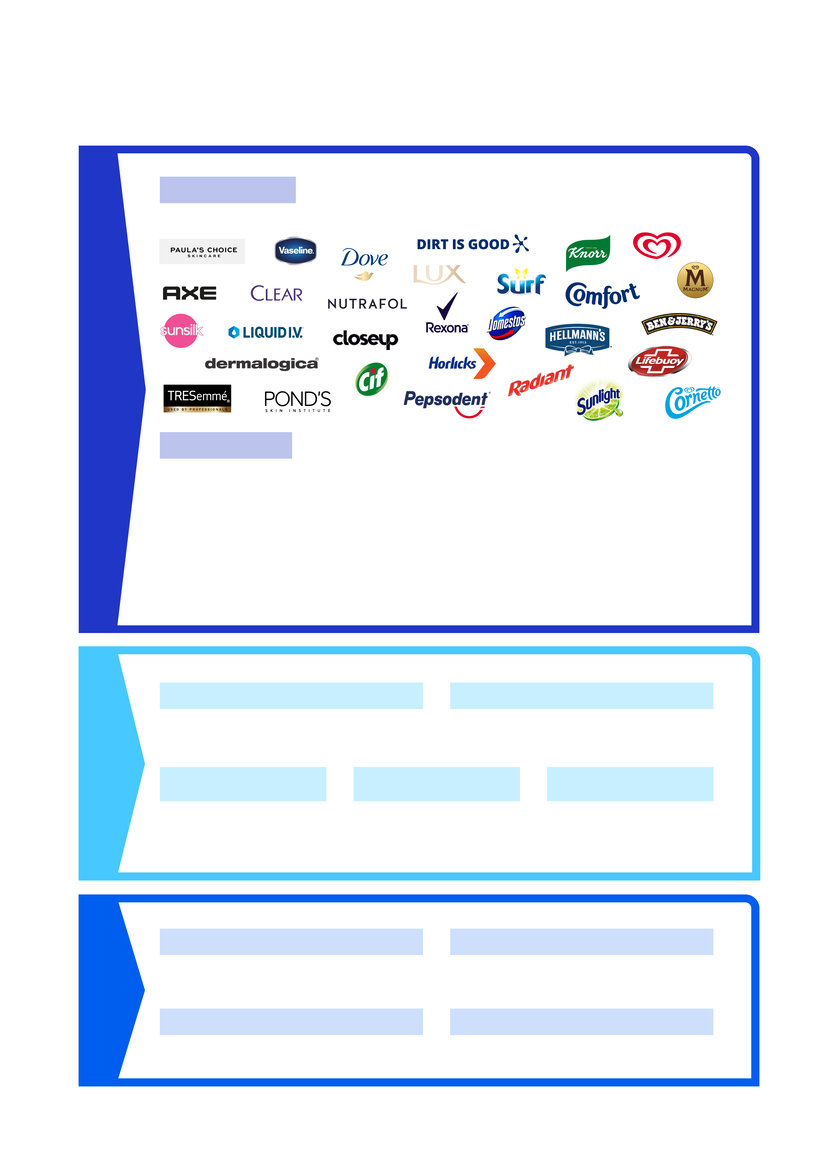
We have around 400 brands meeting consumers’ daily needs, from household necessities to premium indulgences. | ||
High household penetration | Marketing powerhouse | |
ICONIC PORTFOLIO OF BRANDS |
POWERED BY STRONG FUNDAMENTALS AND CAPABILITIES | ||||


Unilever Annual Report on Form 20-F 2024 | 3 | |
STRATEGIC REPORT | CORPORATE GOVERNANCE | FINANCIAL STATEMENTS | SUSTAINABILITY STATEMENTS |
ABOUT UNILEVER | ||
Our 5,000+ R&D experts are developing innovations to drive unmissable superiority. | ||
Investment in R&D | Fragrance expertise | |
We are building a lean and agile supply chain powered by advancements in technology, data and AI. | ||
Resilience and cost efficiency | Digitally connected logistics | |
Our people work in factories, offices, distribution warehouses, R&D centres and customer-facing roles across 100+ countries. | ||
Highly engaged | Employee pride | |

We have a more focused, urgent and systemic sustainability agenda, supported by 15 short- and medium-term goals. | ||
Decarbonising our operations | Helping small retailers grow | |
ENGAGED TALENT BASE |
DIGITAL & TECHNOLOGY- ENABLED OPERATIONS |
SUPERIOR SCIENCE & TECHNOLOGY |
FOCUSED SUSTAINABILITY AGENDA |
CREATING VALUE FOR OUR STAKEHOLDERS | ||||
Our business model leverages our organisational structure, deep operational know-how and industry-leading expertise to create value. | ||||
■Shareholders ■Our People ■Consumers | ■Customers ■Suppliers & Business Partners ■Planet & Society | |||
All numbers mentioned on pages 2 and 3 are for 2024 reporting period. | ||||


4 | Unilever Annual Report on Form 20-F 2024 |
STRATEGIC REPORT | CORPORATE GOVERNANCE | FINANCIAL STATEMENTS | SUSTAINABILITY STATEMENTS |
ABOUT UNILEVER | ||
Our Strategy: Growth Action Plan 2030 | ||

Unilever Annual Report on Form 20-F 2024 | 5 | |
STRATEGIC REPORT | CORPORATE GOVERNANCE | FINANCIAL STATEMENTS | SUSTAINABILITY STATEMENTS |
ABOUT UNILEVER | ||
NORTH AMERICA | INDIA | EUROPE | NORTH ASIA | GREATER ASIA | PTAB |
United States | India | United Kingdom | China | Korea | Pakistan |
Canada | Netherlands | Japan | Turkey | ||
LATIN AMERICA | Belgium | INDONESIA | Philippines | Arabia | |
Brazil | Germany | Indonesia | Thailand | Bangladesh | |
Argentina | Italy | Vietnam | |||
Mexico | France | ||||
Poland | |||||
*The remaining Unilever markets, representing 15% of turnover, are organised under ’One Unilever’ (1UL) and consist of lean-resourced, small- to mid-sized markets managing their own P&L. |
6 | Unilever Annual Report on Form 20-F 2024 |
STRATEGIC REPORT | CORPORATE GOVERNANCE | FINANCIAL STATEMENTS | SUSTAINABILITY STATEMENTS |
REVIEW OF THE YEAR | ||
Chair’s statement | ||

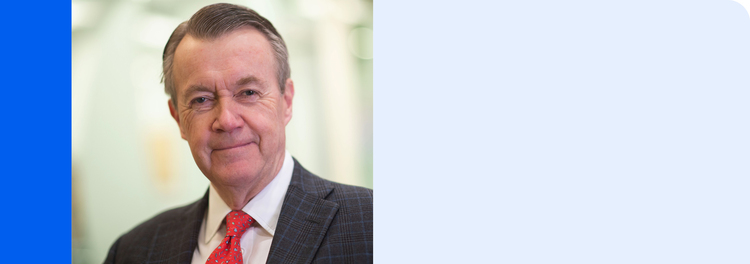
Critically, our task now is to accelerate the execution of the GAP 2030 to ensure we deliver improvements on a consistent basis over many years. | |||
Ian Meakins Chair | |||
Unilever Annual Report on Form 20-F 2024 | 7 | |
STRATEGIC REPORT | CORPORATE GOVERNANCE | FINANCIAL STATEMENTS | SUSTAINABILITY STATEMENTS |
REVIEW OF THE YEAR | ||
8 | Unilever Annual Report on Form 20-F 2024 |
STRATEGIC REPORT | CORPORATE GOVERNANCE | FINANCIAL STATEMENTS | SUSTAINABILITY STATEMENTS |
REVIEW OF THE YEAR | ||
Chief Executive Officer’s statement | ||

We have stepped up our operational performance, sharpened our portfolio, and are in the process of delivering a stronger, more productive organisational model. | |||
Fernando Fernandez Chief Executive Officer |
Unilever Annual Report on Form 20-F 2024 | 9 | |
STRATEGIC REPORT | CORPORATE GOVERNANCE | FINANCIAL STATEMENTS | SUSTAINABILITY STATEMENTS |
REVIEW OF THE YEAR | ||

10 | Unilever Annual Report on Form 20-F 2024 |
REVIEW OF THE YEAR |
Unilever Group Financial Review |

Unilever Annual Report on Form 20-F 2024 | 11 | |
PERFORMANCE HIGHLIGHTS | ||||||
Turnover in 2024 | ||||||
€60.8bn | ||||||
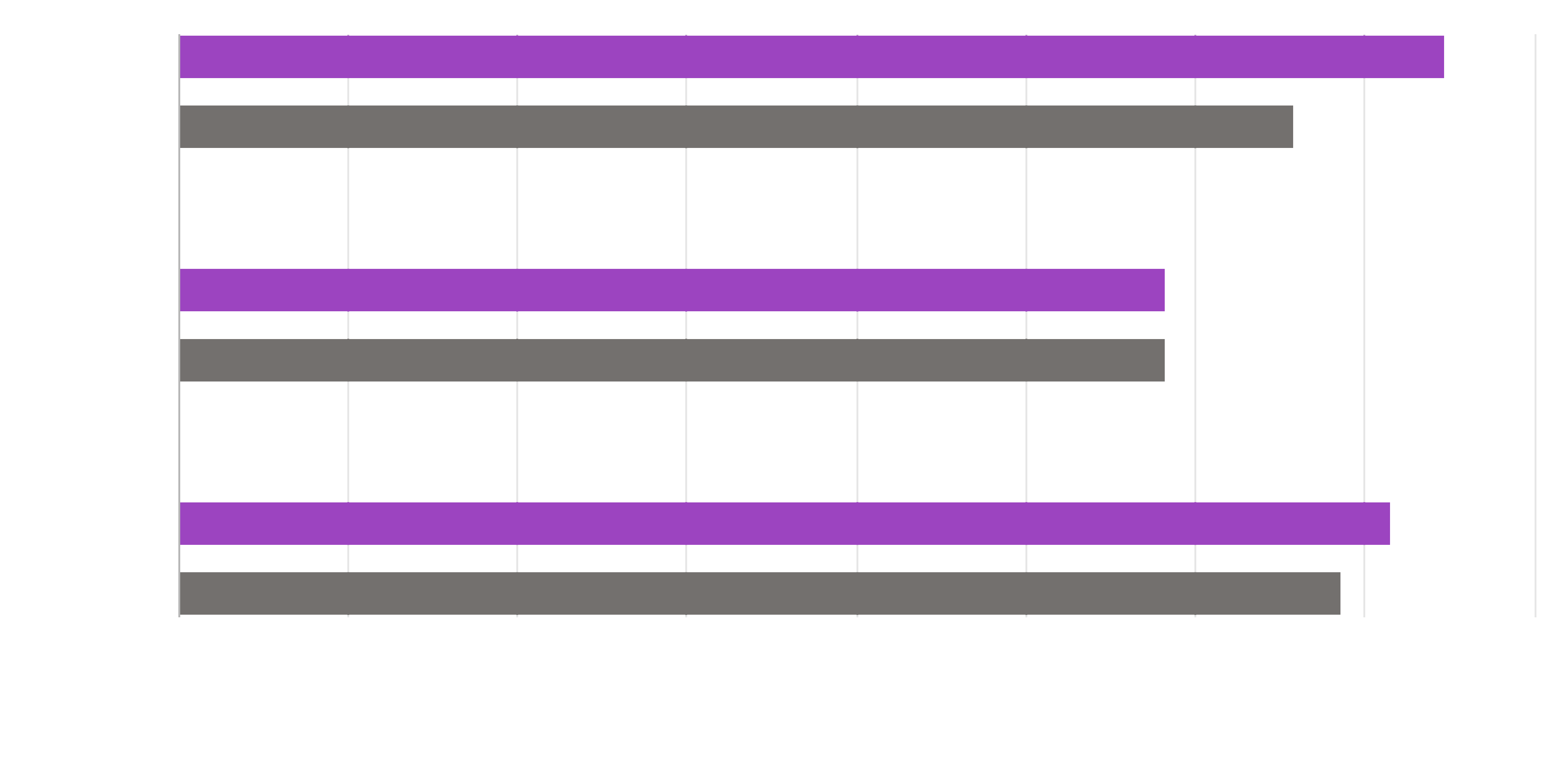
2023: €59.6bn | 2022: €60.1bn | |||||
Turnover growth | ||||||
2024 | ||||||
2023 | ||||||
2022 | ||||||
Underlying sales growth | ||||||
USG | UVG | UPG | ||||
2024 | 2.9% | 1.3% | ||||
2023 | 0.2% | 6.8% | ||||
2022 | -2.1% | 11.3% | ||||
Operating margin | ||||||
2024 | ||||||
2023 | ||||||
2022 | ||||||
Underlying operating margin | ||||||
2024 | ||||||
2023 | ||||||
2022 | ||||||


12 | Unilever Annual Report on Form 20-F 2024 |
STRATEGIC REPORT | CORPORATE GOVERNANCE | FINANCIAL STATEMENTS | SUSTAINABILITY STATEMENTS |
REVIEW OF THE YEAR | ||
Group Financial Review | ||

HIGHLIGHTS | |||
■Turnover increased 1.9% to €60.8 billion. ■Underlying sales growth of 4.2%, led by 2.9% volume growth with positive volumes in all Business Groups. Power Brands leading growth with 5.3% USG. ■Gross margin up 280bps to 45.0% fuelling brand investment of 15.5% of turnover. ■Underlying operating profit of €11.2 billion, up 12.6% with operating profit of €9.4 billion. ■Cash conversion of 106% with free cash flow of €6.9 billion. ■Underlying earnings per share increased 14.7%; diluted EPS decreased 10.6%. | |||
Unilever Annual Report on Form 20-F 2024 | 13 | |
STRATEGIC REPORT | CORPORATE GOVERNANCE | FINANCIAL STATEMENTS | SUSTAINABILITY STATEMENTS |
REVIEW OF THE YEAR | ||

Mid-single-digit growth (USG) | Modest margin improvement (UOM) | Top-third shareholder returns | ||||||
UVG of at least 2% | Fuelled by gross margin | |||||||
2024 | 2024 | |||||||
'4.2% (2.9% UVG) | '18.4% (+170bps) |
Cash conversion Sustain around 100% cash conversion over time | Debt Around 2x net debt/EBITDA Strong single A credit ratings | Underlying ROIC High-teens ROIC | ||||||||
2024 | 2024 | 2024 | ||||||||
Growth productivity | Portfolio reshaping Bolt-on M&A focused on US & India No transformational M&A | Capital returns Attractive dividend (~60% payout) Share buyback with surplus cash | ||||||||
2024 | 2024 | 2024 | ||||||||
5 transactions completed (5 transactions announced) |


14 | Unilever Annual Report on Form 20-F 2024 |
REVIEW OF THE YEAR |
Beauty & Wellbeing |

Unilever Annual Report on Form 20-F 2024 | 15 | |
PERFORMANCE HIGHLIGHTS | ||||||
Turnover in 2024 | ||||||
€13.2bn | ||||||
2023: €12.5bn | 2022: €12.3bn | |||||
Turnover growth | ||||||
2024 | ||||||
2023 | ||||||
2022 | ||||||
Underlying sales growth | ||||||
USG | UVG | UPG | ||||
2024 | 5.1% | 1.3% | ||||
2023 | 4.4% | 3.8% | ||||
2022 | 0.3% | 7.5% | ||||
Operating margin | ||||||
2024 | ||||||
2023 | ||||||
2022 | ||||||
Underlying operating margin | ||||||
2024 | ||||||
2023 | ||||||
2022 | ||||||


16 | Unilever Annual Report on Form 20-F 2024 |
STRATEGIC REPORT | CORPORATE GOVERNANCE | FINANCIAL STATEMENTS | SUSTAINABILITY STATEMENTS |
REVIEW OF THE YEAR |
Driving purpose, science, desire |

HIGHLIGHTS | |||
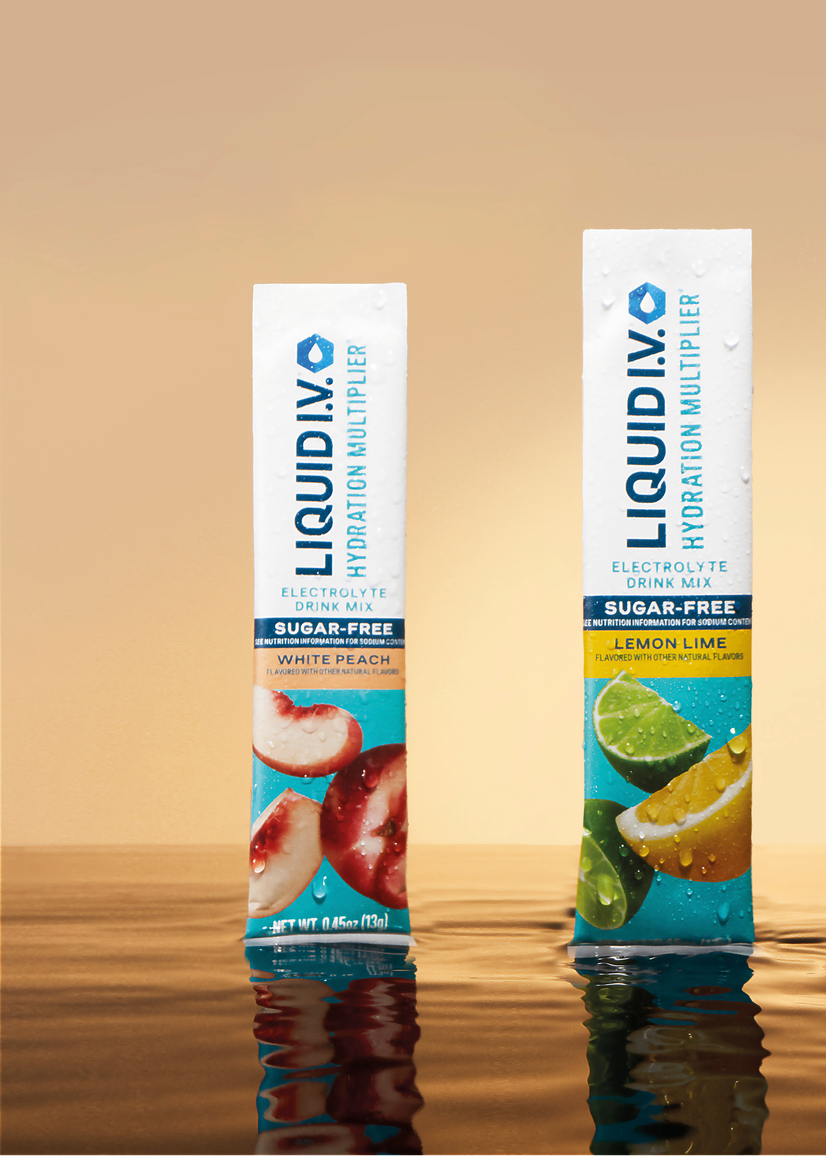
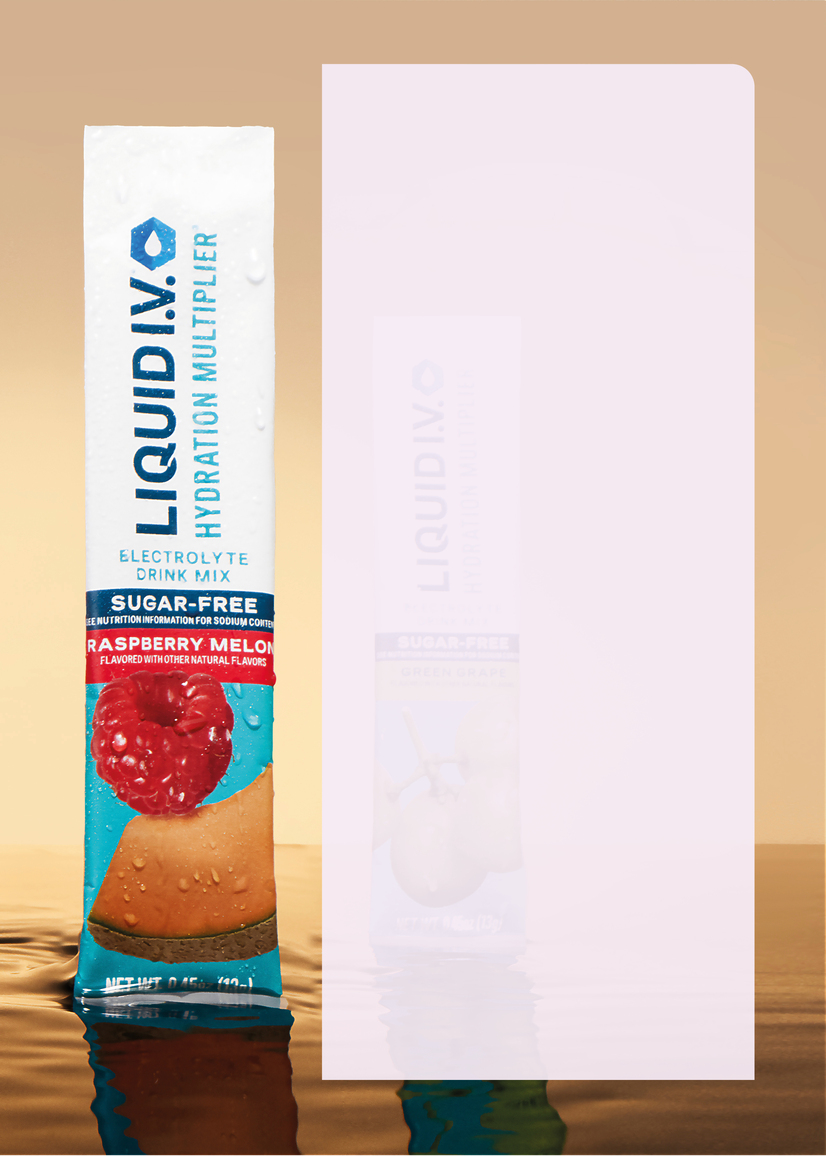
■Prestige Beauty and Wellbeing grew double-digit, now accounting for approximately 30% of turnover. ■Liquid I.V. increased sales by 20% and scaled into new markets. ■Stepped up investment in a social-first marketing approach across core brands. | |||
Our 2024 performance confirms our strategy is on track. We are driving competitive growth through premium innovations and a social-first approach to consumer engagement. | ||
Priya Nair President, Beauty & Wellbeing |
Unilever Annual Report on Form 20-F 2024 | 17 | |
STRATEGIC REPORT | CORPORATE GOVERNANCE | FINANCIAL STATEMENTS | SUSTAINABILITY STATEMENTS |
REVIEW OF THE YEAR | ||
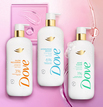
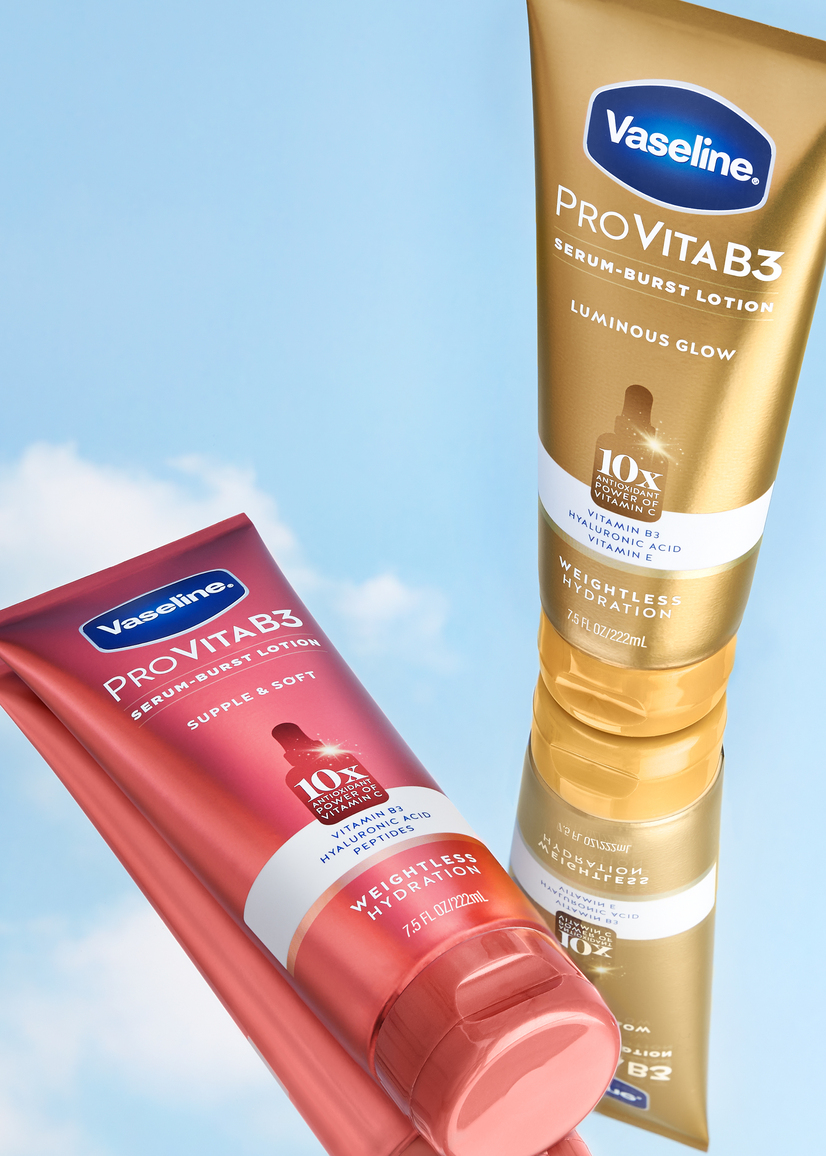
Dove launched its first body serums this year, featuring high- potency formulas for visibly healthy, luminous skin. | |||


18 | Unilever Annual Report on Form 20-F 2024 |
REVIEW OF THE YEAR |
Personal Care |

Unilever Annual Report on Form 20-F 2024 | 19 | |
PERFORMANCE HIGHLIGHTS | ||||||
Turnover in 2024 | ||||||
€13.6bn | ||||||
2023: €13.8bn | 2022: €13.6bn | |||||
Turnover growth | ||||||
2024 | ||||||
2023 | ||||||
2022 | ||||||
Underlying sales growth | ||||||
USG | UVG | UPG | ||||
2024 | 3.1% | 2.1% | ||||
2023 | 3.2% | 5.5% | ||||
2022 | -3.7% | 12.1% | ||||
Operating margin | ||||||
2024 | ||||||
2023 | ||||||
2022 | ||||||
Underlying operating margin | ||||||
2024 | ||||||
2023 | ||||||
2022 | ||||||


20 | Unilever Annual Report on Form 20-F 2024 |
STRATEGIC REPORT | CORPORATE GOVERNANCE | FINANCIAL STATEMENTS | SUSTAINABILITY STATEMENTS |
REVIEW OF THE YEAR |
Powering up Personal Care |

HIGHLIGHTS | |||
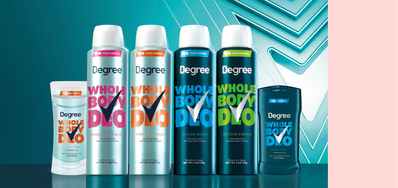
■Dove and Dove Men+Care launched whole-body deodorants in the US, entering a new growth space. ■International football tournament sponsorship boosted sales in over 200,000 stores globally. ■Strategic factory investments achieved record levels of operational efficiency. | |||
Winning with science-led, premium products and leveraging partnerships are fundamental to our growth strategy. | ||
Fabian Garcia President, Personal Care |
Unilever Annual Report on Form 20-F 2024 | 21 | |
STRATEGIC REPORT | CORPORATE GOVERNANCE | FINANCIAL STATEMENTS | SUSTAINABILITY STATEMENTS |
REVIEW OF THE YEAR | ||
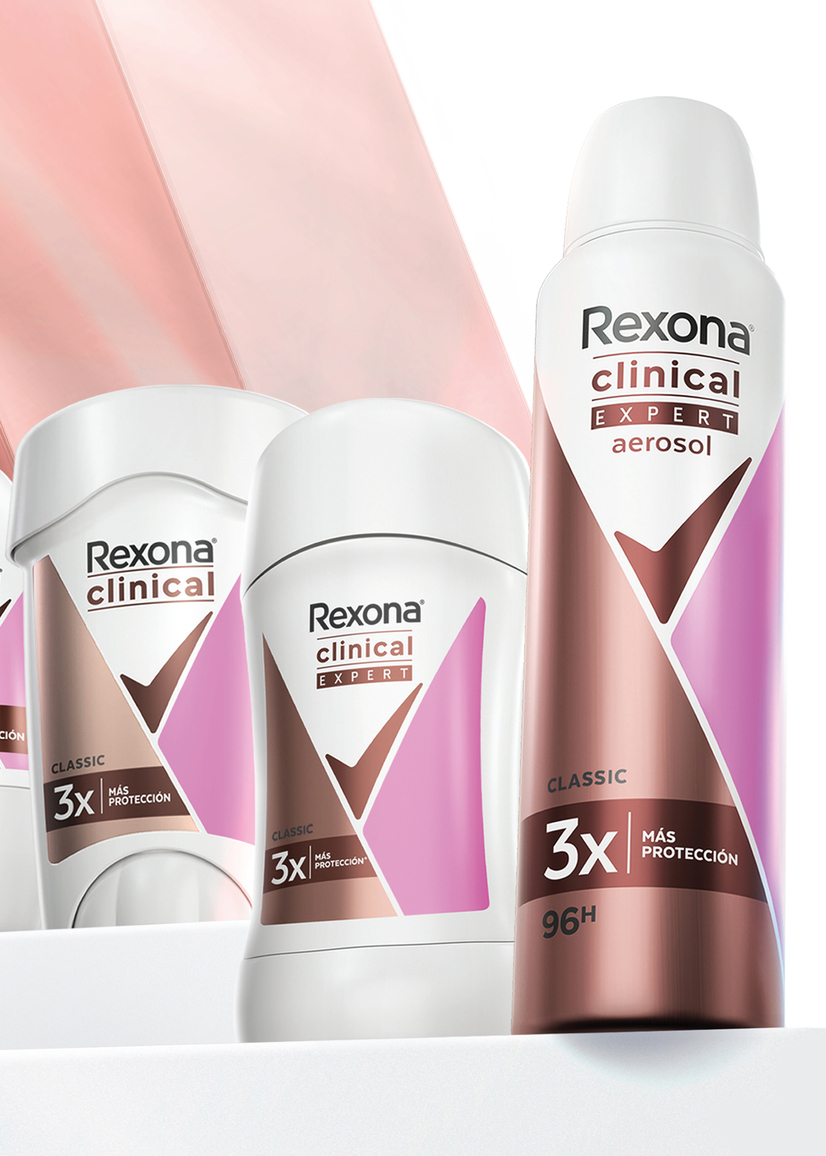
Dove and Dove Men+Care successfully launched a range of innovative whole-body deodorants in the US, with plans to scale the new format next year. | |||


22 | Unilever Annual Report on Form 20-F 2024 |
REVIEW OF THE YEAR |
Home Care |

Unilever Annual Report on Form 20-F 2024 | 23 | |
PERFORMANCE HIGHLIGHTS | ||||||
Turnover in 2024 | ||||||
€12.3bn | ||||||
2023: €12.2bn | 2022: €12.4bn | |||||
Turnover growth | ||||||
2024 | ||||||
2023 | ||||||
2022 | ||||||
Underlying sales growth | ||||||
USG | UVG | UPG | ||||
2024 | 4.0% | -1.1% | ||||
2023 | -0.9% | 6.8% | ||||
2022 | -3.5% | 15.9% | ||||
Operating margin | ||||||
2024 | ||||||
2023 | ||||||
2022 | ||||||
Underlying operating margin | ||||||
2024 | ||||||
2023 | ||||||
2022 | ||||||


24 | Unilever Annual Report on Form 20-F 2024 |
STRATEGIC REPORT | CORPORATE GOVERNANCE | FINANCIAL STATEMENTS | SUSTAINABILITY STATEMENTS |
REVIEW OF THE YEAR |
Transforming homes for a bright future |

HIGHLIGHTS | |||
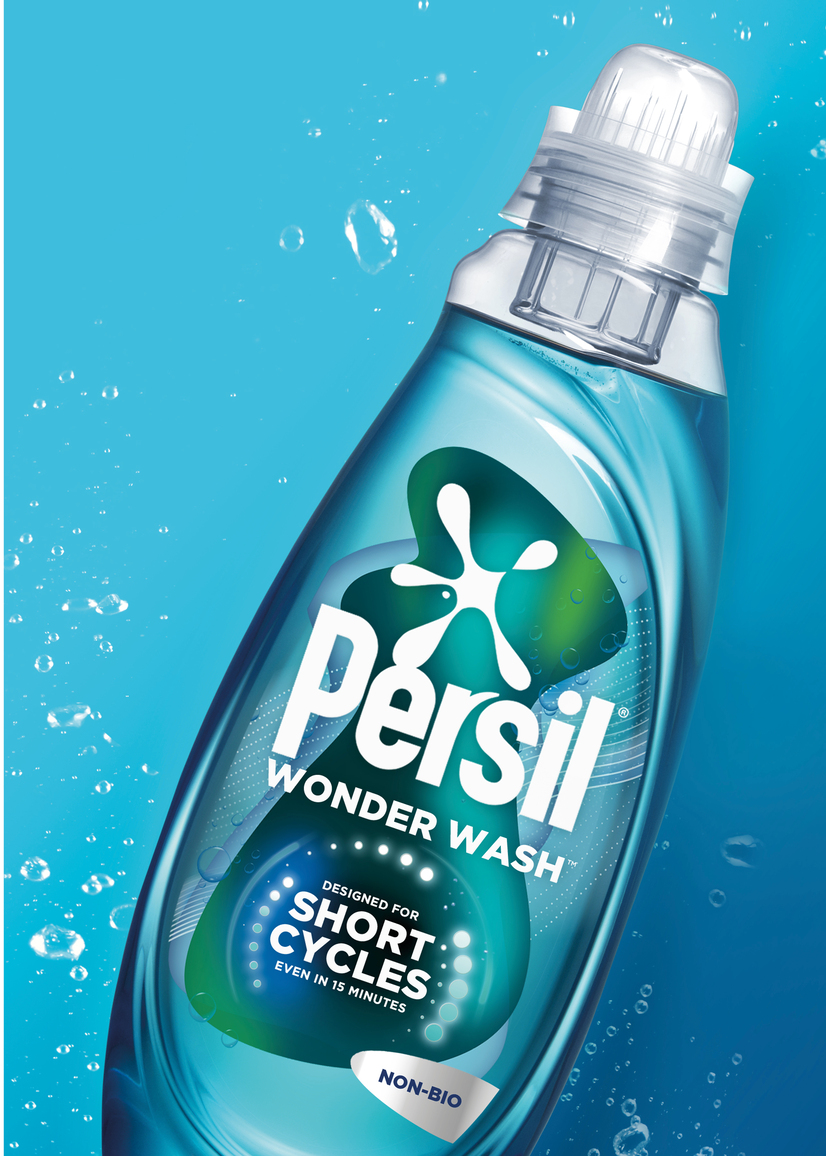
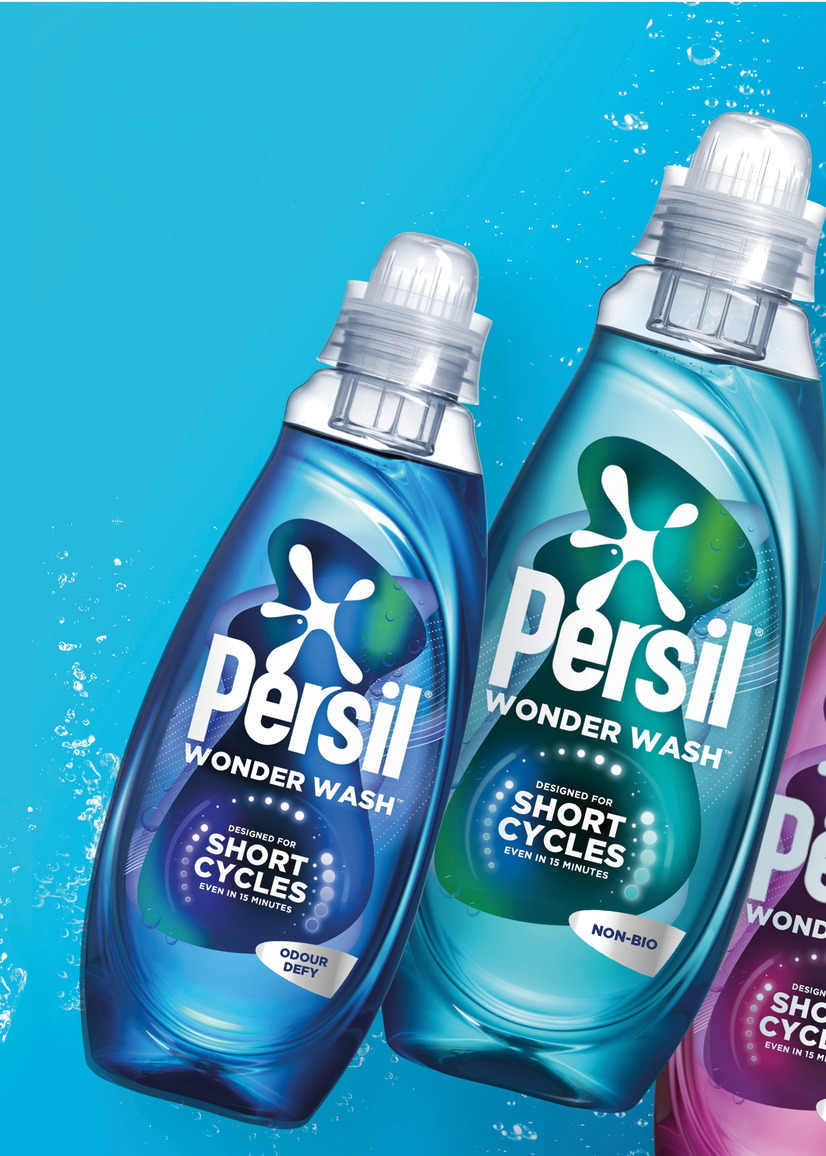
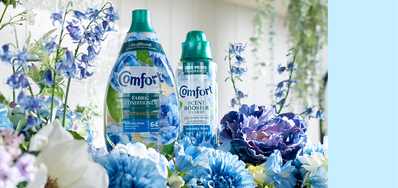
■Achieved double-digit growth in Europe and further strengthened our position in India and Turkey. ■Launched Persil Wonder Wash and Comfort Scent Booster Elixir; scaled Domestos Power Foam. ■Investing €150 million in Europe to enhance manufacturing and logistics efficiency. | |||
Launching unmissably superior market-making innovations that consumers love and driving business turnaround in key regions like Europe has been our focus in 2024. | ||
Eduardo Campanella President, Home Care |
Unilever Annual Report on Form 20-F 2024 | 25 | |
STRATEGIC REPORT | CORPORATE GOVERNANCE | FINANCIAL STATEMENTS | SUSTAINABILITY STATEMENTS |
REVIEW OF THE YEAR | ||
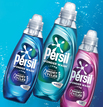
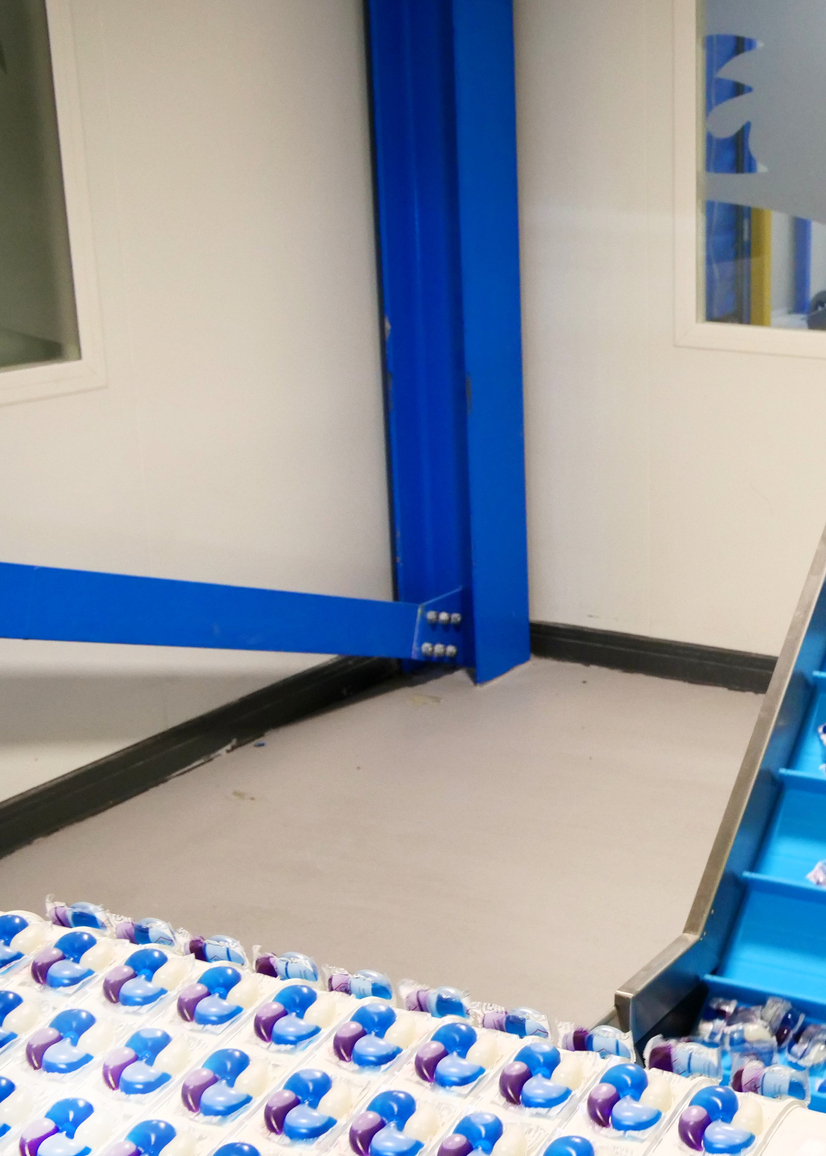
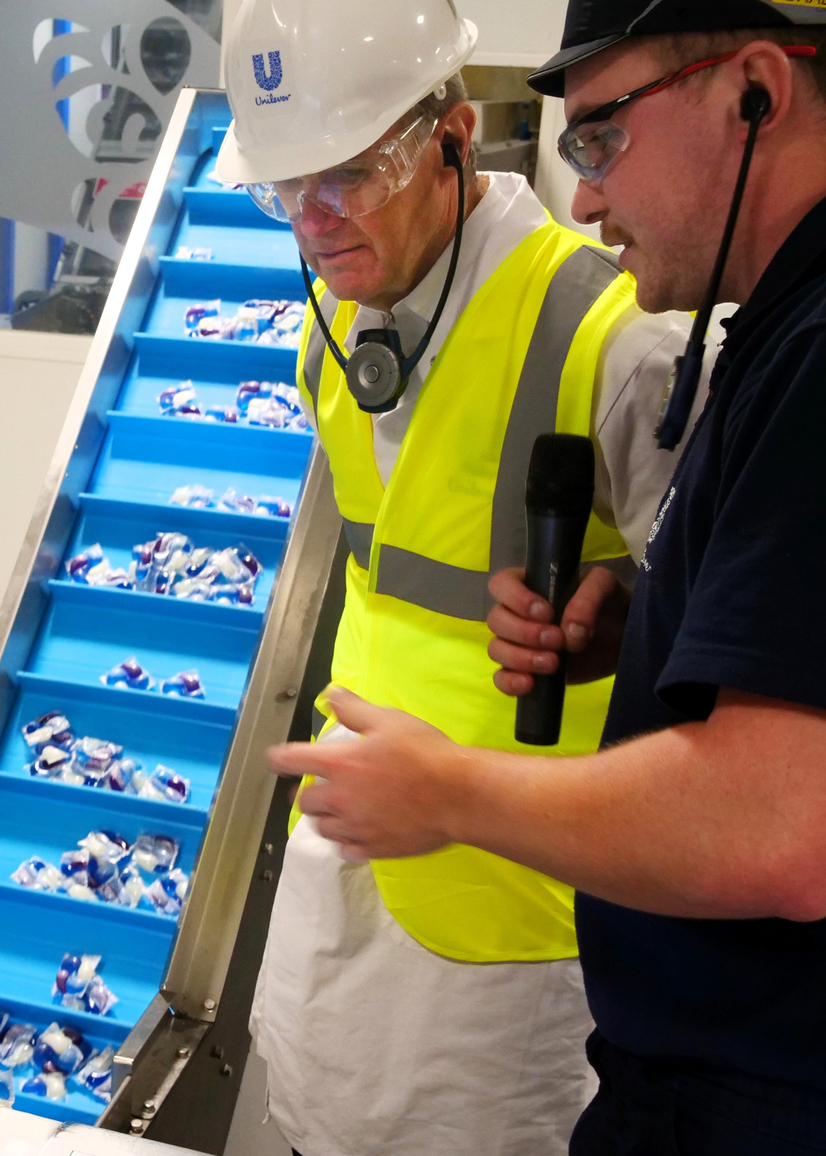
Comfort Elixir leverages our expertise in premium fragrances, offering natural scents and an innovative cold wash formulation. | |||


26 | Unilever Annual Report on Form 20-F 2024 |
REVIEW OF THE YEAR |
Foods |

Unilever Annual Report on Form 20-F 2024 | 27 | |
PERFORMANCE HIGHLIGHTS | ||||||
Turnover in 2024 | ||||||
€13.4bn | ||||||
2023: €13.2bn | 2022: €13.9bn | |||||
Turnover growth | ||||||
2024 | ||||||
2023 | ||||||
2022 | ||||||
Underlying sales growth | ||||||
USG | UVG | UPG | ||||
2024 | 0.2% | 2.4% | ||||
2023 | -2.2% | 10.1% | ||||
2022 | -2.1% | 10.9% | ||||
Operating margin | ||||||
2024 | ||||||
2023 | ||||||
2022 | ||||||
Underlying operating margin | ||||||
2024 | ||||||
2023 | ||||||
2022 | ||||||


28 | Unilever Annual Report on Form 20-F 2024 |
STRATEGIC REPORT | CORPORATE GOVERNANCE | FINANCIAL STATEMENTS | SUSTAINABILITY STATEMENTS |
REVIEW OF THE YEAR |
Bringing the tastes people love to brighten every day |

HIGHLIGHTS | |||
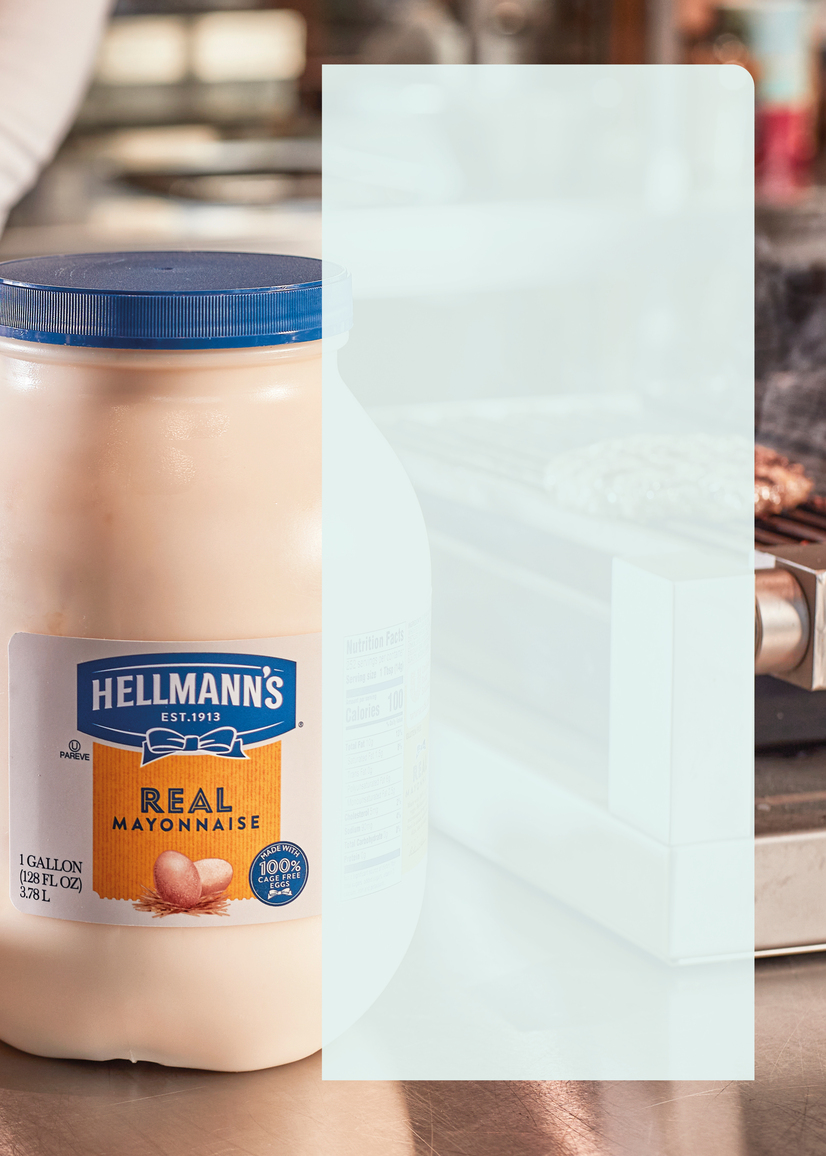
■Hellmann’s and Knorr continued to outperform the average growth in Foods. ■Ongoing work to become a truly focused foods business by reducing portfolio complexity, formulations and ingredients. ■Digital commerce channels contributed over 10% of turnover. | |||
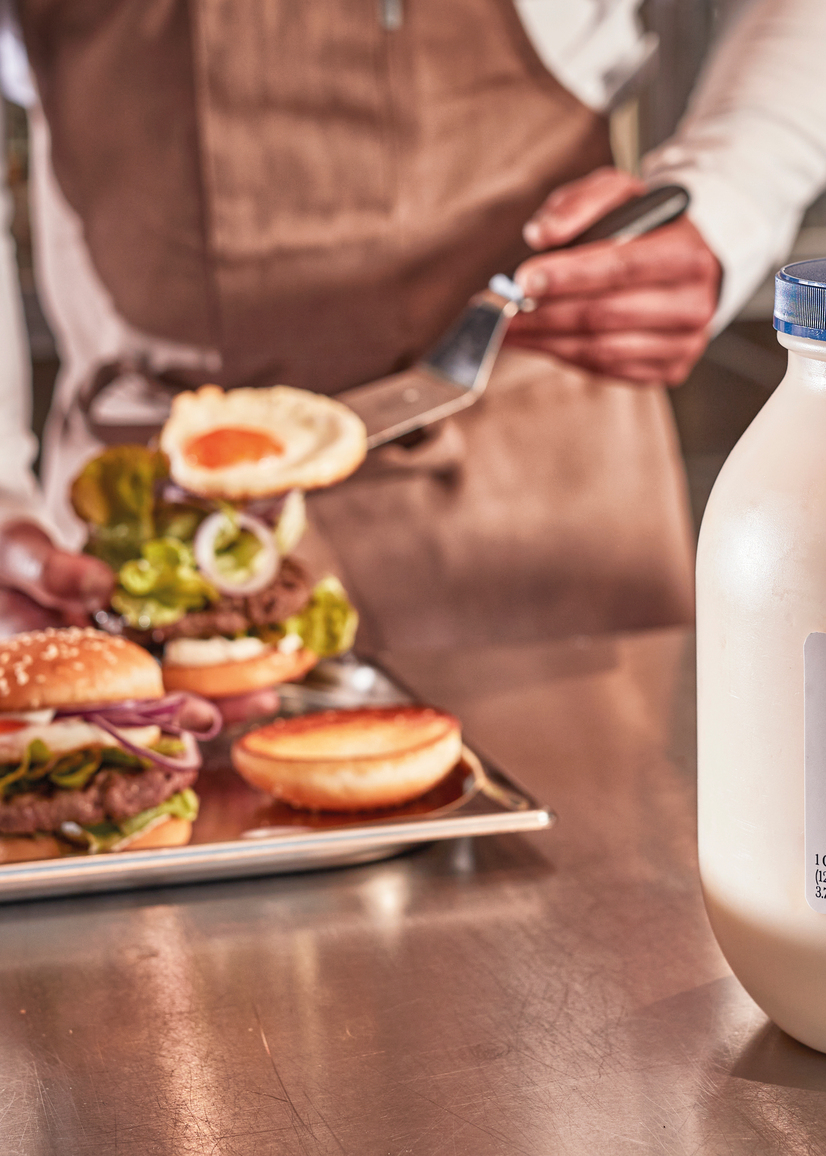
Knorr and Hellmann’s generated 60% of Foods’ 2024 turnover, boosting growth through superior products, premiumisation and innovation across foodservice and retail. | ||
Heiko Schipper President, Foods |
Unilever Annual Report on Form 20-F 2024 | 29 | |
STRATEGIC REPORT | CORPORATE GOVERNANCE | FINANCIAL STATEMENTS | SUSTAINABILITY STATEMENTS |
REVIEW OF THE YEAR |
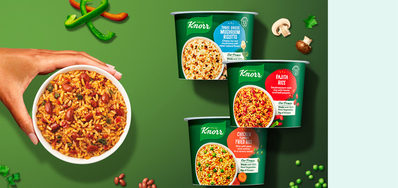
Knorr expanded its premium ready-to-heat pots range, offering consumers a convenient way to enjoy the latest trending cuisines. | |||


30 | Unilever Annual Report on Form 20-F 2024 |
REVIEW OF THE YEAR |
Ice Cream |

Unilever Annual Report on Form 20-F 2024 | 31 | |
PERFORMANCE HIGHLIGHTS | ||||||
Turnover in 2024 | ||||||
€8.3bn | ||||||
2023: €7.9bn | 2022: €7.9bn | |||||
Turnover growth | ||||||
2024 | ||||||
2023 | ||||||
2022 | ||||||
Underlying sales growth | ||||||
USG | UVG | UPG | ||||
2024 | 1.6% | 2.1% | ||||
2023 | -6.0% | 8.8% | ||||
2022 | -0.7% | 9.7% | ||||
Operating margin | ||||||
2024 | ||||||
2023 | ||||||
2022 | ||||||
Underlying operating margin | ||||||
2024 | ||||||
2023 | ||||||
2022 | ||||||


32 | Unilever Annual Report on Form 20-F 2024 |
STRATEGIC REPORT | CORPORATE GOVERNANCE | FINANCIAL STATEMENTS | SUSTAINABILITY STATEMENTS |
REVIEW OF THE YEAR |
Growing market share, boosting profitability |

HIGHLIGHTS | |||
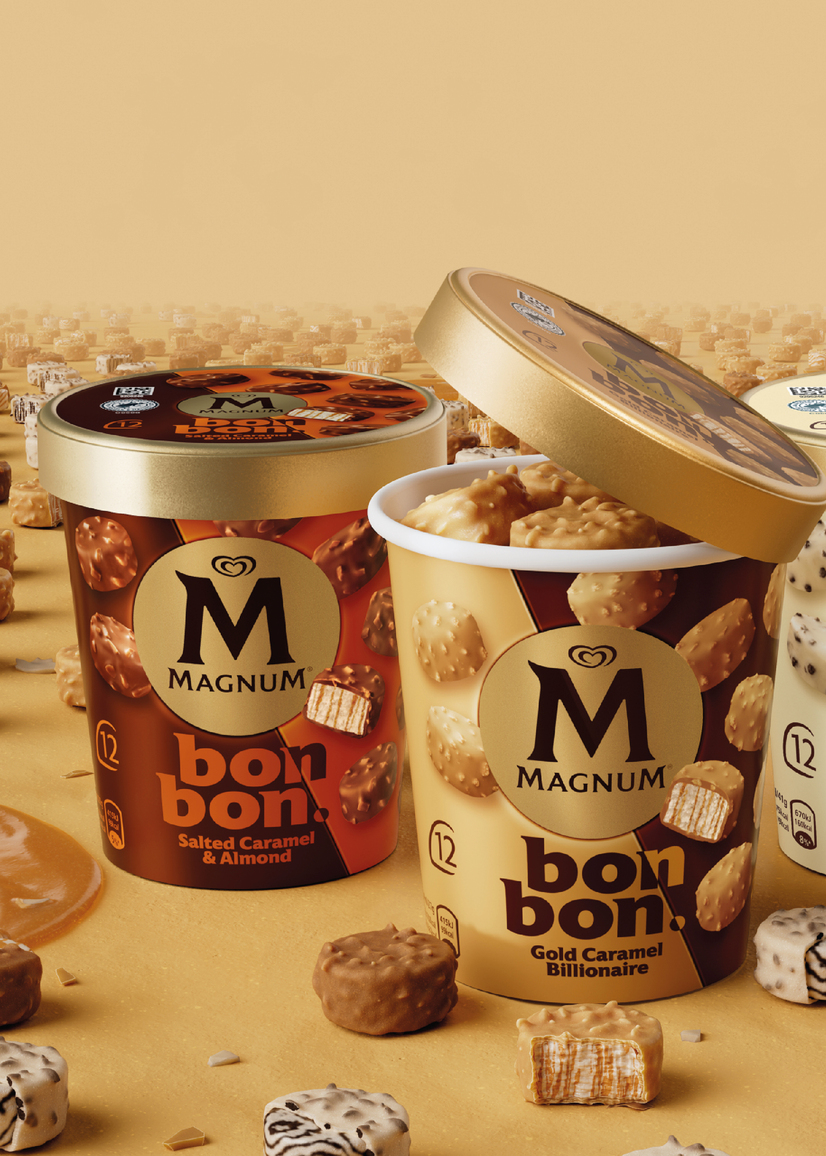
■Strong innovation pipeline: launched Magnum Bon Bons, exceeding both volume and value targets. ■Achieved market share growth and significant profitability increase. ■Announced plans to separate through a demerger by the end of 2025. | |||
Our improved performance is marked by more streamlined operations, better execution, and improved distribution, along with strong results in Turkey and the US. | ||
Peter ter Kulve President, Ice Cream |
Unilever Annual Report on Form 20-F 2024 | 33 | |
STRATEGIC REPORT | CORPORATE GOVERNANCE | FINANCIAL STATEMENTS | SUSTAINABILITY STATEMENTS |
REVIEW OF THE YEAR | ||
Cornetto celebrated the 60th anniversary of Cornetto Classico with its global ’Unwrap It’ campaign. | |||

34 | Unilever Annual Report on Form 20-F 2024 |
STRATEGIC REPORT | CORPORATE GOVERNANCE | FINANCIAL STATEMENTS | SUSTAINABILITY STATEMENTS |
REVIEW OF THE YEAR |
Our People & Culture |

HIGHLIGHTS | |||
■Initiated a productivity programme to drive greater speed and simplification. ■Launched a refreshed people ambition to enhance talent, engagement and performance. ■Achieved a 79% employee engagement score in our annual UniVoice survey. | |||
We are committed to building a winning culture that enables everyone to be successful and unlocks the full potential of Unilever. | ||
Mairéad Nayager Chief People Officer |
Unilever Annual Report on Form 20-F 2024 | 35 | |
STRATEGIC REPORT | CORPORATE GOVERNANCE | FINANCIAL STATEMENTS | SUSTAINABILITY STATEMENTS |
REVIEW OF THE YEAR | ||

In November 2024, the Unilever Leadership Executive hosted an all-company engagement session to launch our new strategy, highlighting our purpose, priorities, sustainability commitments and culture. | |||
36 | Unilever Annual Report on Form 20-F 2024 |
STRATEGIC REPORT | CORPORATE GOVERNANCE | FINANCIAL STATEMENTS | SUSTAINABILITY STATEMENTS |
REVIEW OF THE YEAR |
Sustainability Review |

HIGHLIGHTS | |||
■Encouraging early progress against sustainability goals. ■Continued advocacy for systemic policy interventions, such as the Global Plastics Treaty. ■Focused on scaling innovations and partnerships through targeted action. | |||
Unilever Annual Report on Form 20-F 2024 | 37 | |
STRATEGIC REPORT | CORPORATE GOVERNANCE | FINANCIAL STATEMENTS | SUSTAINABILITY STATEMENTS |
REVIEW OF THE YEAR | ||
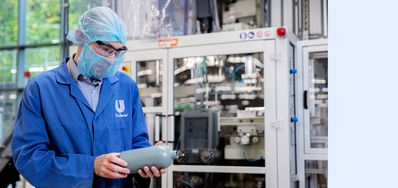
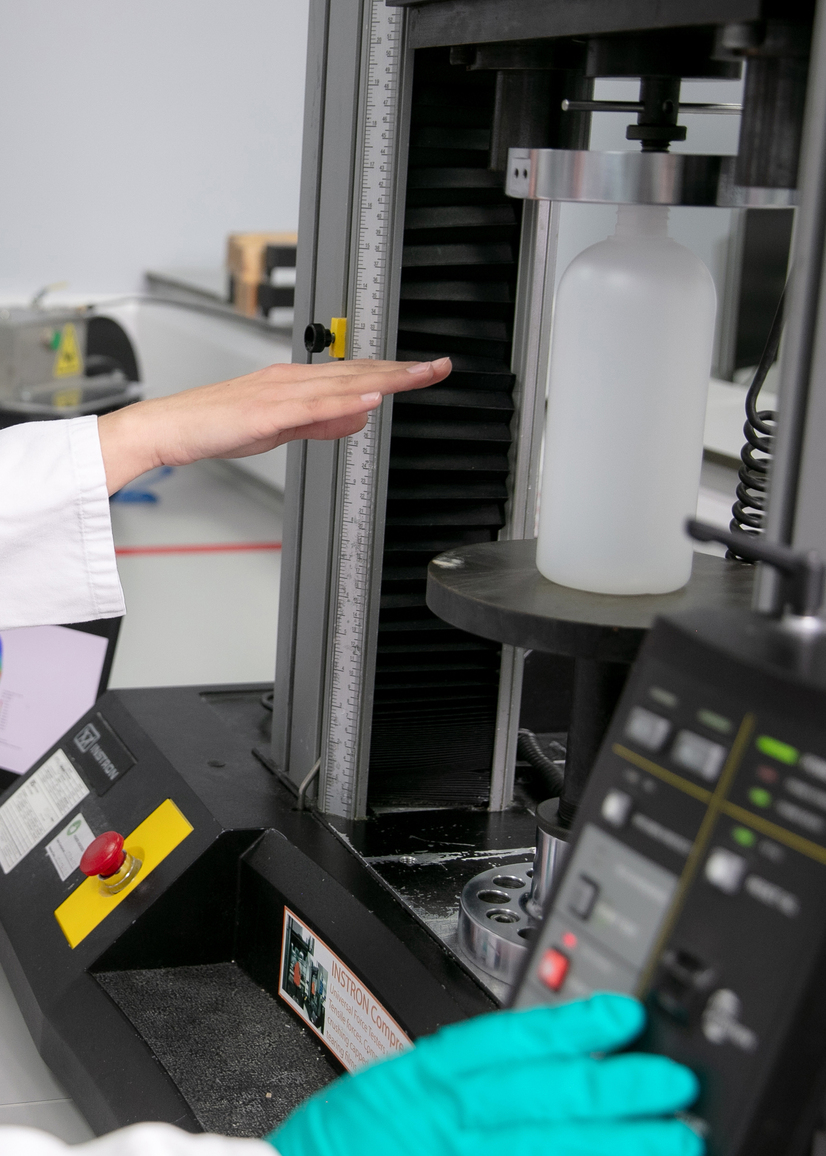
Experts at our Packaging R&D Centre in Port Sunlight are testing emerging and new technologies to support our work on virgin plastic reduction. | |||

38 | Unilever Annual Report on Form 20-F 2024 |
STRATEGIC REPORT | CORPORATE GOVERNANCE | FINANCIAL STATEMENTS | SUSTAINABILITY STATEMENTS |
OUR PERFORMANCE | ||
Financial performance | ||
Unilever Group performance | ||||||
Unilever | 2024 | 2023 | 2022 | |||
Turnover growth | 1.9% | (0.8)% | 14.5% | |||
Underlying sales growth | 4.2% | 7.0% | 9.0% | |||
Underlying volume growth | 2.9% | 0.2% | (2.1)% | |||
Operating margin | 15.5% | 16.4% | 17.9% | |||
Underlying operating margin | 18.4% | 16.7% | 16.1% | |||
Cash flow from operating activities | €12.1bn | €11.6bn | €10.1bn | |||
Free cash flow | €6.9bn | €7.1bn | €5.2bn | |||
Net cash flow (used in)/from investing activities | €(0.6)bn | €(2.3)bn | €2.5bn | |||
Net cash flow used in financing activities | €(6.9)bn | €(7.2)bn | €(8.9)bn | |||
Business Group performance | ||||||
Beauty & Wellbeing | 2024 | 2023 | 2022 | |||
Turnover | €13.2bn | €12.5bn | €12.3bn | |||
Turnover growth | 5.5% | 1.8% | 20.8% | |||
Underlying sales growth | 6.5% | 8.3% | 7.8% | |||
Operating margin | 15.0% | 17.7% | 17.6% | |||
Underlying operating margin | 19.4% | 18.7% | 18.7% | |||
Personal Care | 2024 | 2023 | 2022 | |||
Turnover | €13.6bn | €13.8bn | €13.6bn | |||
Turnover growth | (1.5)% | 1.4% | 15.9% | |||
Underlying sales growth | 5.2% | 8.9% | 7.9% | |||
Operating margin | 20.1% | 21.4% | 16.6% | |||
Underlying operating margin | 22.1% | 20.2% | 19.6% | |||
Unilever Annual Report on Form 20-F 2024 | 39 | |
STRATEGIC REPORT | CORPORATE GOVERNANCE | FINANCIAL STATEMENTS | SUSTAINABILITY STATEMENTS |
OUR PERFORMANCE | ||
Business Group performance continued | ||||||
Home Care | 2024 | 2023 | 2022 | |||
Turnover | €12.3bn | €12.2bn | €12.4bn | |||
Turnover growth | 1.4% | (1.8)% | 17.3% | |||
Underlying sales growth | 2.9% | 5.9% | 11.8% | |||
Operating margin | 12.3% | 11.6% | 8.6% | |||
Underlying operating margin | 14.5% | 12.3% | 10.8% | |||
Foods | 2024 | 2023 | 2022 | |||
Turnover | €13.4bn | €13.2bn | €13.9bn | |||
Turnover growth | 1.1% | (5.0)% | 6.1% | |||
Underlying sales growth | 2.6% | 7.7% | 8.6% | |||
Operating margin | 19.5% | 18.3% | 32.4% | |||
Underlying operating margin | 21.3% | 18.6% | 17.6% | |||
Ice Cream | 2024 | 2023 | 2022 | |||
Turnover | €8.3bn | €7.9bn | €7.9bn | |||
Turnover growth | 4.5% | 0.5% | 14.8% | |||
Underlying sales growth | 3.7% | 2.3% | 9.0% | |||
Operating margin | 6.9% | 9.6% | 9.8% | |||
Underlying operating margin | 11.8% | 10.8% | 11.7% | |||
40 | Unilever Annual Report on Form 20-F 2024 |
STRATEGIC REPORT | CORPORATE GOVERNANCE | FINANCIAL STATEMENTS | SUSTAINABILITY STATEMENTS |
OUR PERFORMANCE | ||
€ million | 2024 | 2023 |
Operating profit | 9,400 | 9,758 |
Depreciation, amortisation and impairment | 1,757 | 1,579 |
Changes in working capital | (160) | 814 |
Pensions and similar obligations less payments | (88) | (281) |
Provisions less payments | 330 | (185) |
Elimination of losses/(profits) on disposals | 436 | (433) |
Non-cash charge for share-based compensation | 324 | 212 |
Other adjustments | 145 | 97 |
Cash flow from operating activities | 12,144 | 11,561 |
Income tax paid | (2,625) | (2,135) |
Net capital expenditure | (1,934) | (1,703) |
Net interest paid | (653) | (632) |
Free cash flow* | 6,932 | 7,091 |
Net cash flow (used in)/from investing activities | (625) | (2,294) |
Net cash flow used in financing activities | (6,941) | (7,193) |
€ million | 2024 | 2023 |
Goodwill and intangible assets | 40,901 | 39,466 |
Other non-current assets | 19,655 | 17,898 |
Current assets | 19,194 | 17,902 |
Total assets | 79,750 | 75,266 |
Current liabilities | 25,234 | 23,507 |
Non-current liabilities | 31,961 | 30,995 |
Total liabilities | 57,195 | 54,502 |
Shareholders’ equity | 19,990 | 18,102 |
Non-controlling interest | 2,565 | 2,662 |
Total equity | 22,555 | 20,764 |
Total liabilities and equity | 79,750 | 75,266 |
€ million | 2024 |
1 January | 2,401 |
Gross service cost | (178) |
Employee contributions | 37 |
Actual return on plan assets (excluding interest) | (601) |
Net interest income/(cost) | 71 |
Actuarial gain/(loss) | 957 |
Employer contributions | 197 |
Currency retranslation | 72 |
Other movements(a) | 14 |
31 December | 2,970 |
Unilever Annual Report on Form 20-F 2024 | 41 | |
STRATEGIC REPORT | CORPORATE GOVERNANCE | FINANCIAL STATEMENTS | SUSTAINABILITY STATEMENTS |
OUR PERFORMANCE | ||
€ million | 2024 | Due within 1 year | Due in 1-3 years | Due in 3-5 years | Due in over 5 years |
Bonds | 26,957 | 3,117 | 5,046 | 6,291 | 12,503 |
Commercial paper, bank and other loans | 2,770 | 2,764 | – | 2 | 4 |
Interest on financial liabilities | 4,800 | 695 | 1,218 | 873 | 2,014 |
Trade payables, accruals and other liabilities | 16,266 | 16,064 | 135 | 41 | 26 |
Lease liabilities | 1,801 | 389 | 579 | 354 | 479 |
Other lease commitments | 330 | 101 | 133 | 30 | 66 |
Purchase obligations(a) & other long-term commitments | 4,198 | 1,654 | 1,871 | 489 | 184 |
Others(b) | 824 | 649 | 173 | 2 | – |
Total | 57,946 | 25,433 | 9,155 | 8,082 | 15,276 |
Annual average rate in 2024 | Annual average rate in 2023 | |
Brazilian real (€1 = BRL) | 5.761 | 5.405 |
Chinese yuan (€1 = CNY) | 7.751 | 7.635 |
Indian rupee (€1 = INR) | 90.652 | 89.232 |
Indonesia rupiah (€1 = IDR) | 17,177 | 16,457 |
Mexican peso (€1 = MXN) | 19.589 | 19.169 |
Philippine peso (€1 = PHP) | 62.055 | 60.110 |
Turkish lira (€1 = TRY) | 36.671 | 31.625 |
UK pound sterling (€1 = GBP) | 0.848 | 0.870 |
US dollar (€1 = US$) | 1.085 | 1.081 |
42 | Unilever Annual Report on Form 20-F 2024 |
STRATEGIC REPORT | CORPORATE GOVERNANCE | FINANCIAL STATEMENTS | SUSTAINABILITY STATEMENTS |
OUR PERFORMANCE | ||
Beauty & Wellbeing | Personal Care | Home Care | Foods | Ice Cream | Group | |
2024 vs 2023 | ||||||
Turnover (€ million) | ||||||
2023 | 12,466 | 13,829 | 12,181 | 13,204 | 7,924 | 59,604 |
2024 | 13,157 | 13,618 | 12,352 | 13,352 | 8,282 | 60,761 |
Turnover growth(a) (%) | 5.5 | (1.5) | 1.4 | 1.1 | 4.5 | 1.9 |
Effect of acquisitions (%) | 0.9 | – | – | – | 1.2 | 0.4 |
Effect of disposals (%) | (1.2) | (5.3) | (0.9) | (0.5) | (0.3) | (1.8) |
Effect of currency-related items, (%) | (0.6) | (1.1) | (0.5) | (1.0) | (0.1) | (0.7) |
of which: | ||||||
Exchange rate changes (%) | (2.2) | (3.0) | (3.6) | (2.8) | (1.9) | (2.8) |
Extreme price growth in hyperinflationary markets(b) (%) | 1.6 | 1.9 | 3.2 | 1.9 | 1.8 | 2.1 |
Underlying sales growth(b) (%) | 6.5 | 5.2 | 2.9 | 2.6 | 3.7 | 4.2 |
2023 vs 2022 | ||||||
Turnover (€ million) | ||||||
2022 | 12,250 | 13,636 | 12,401 | 13,898 | 7,888 | 60,073 |
2023 | 12,466 | 13,829 | 12,181 | 13,204 | 7,924 | 59,604 |
Turnover growth(a) (%) | 1.8 | 1.4 | (1.8) | (5.0) | 0.5 | (0.8) |
Effect of acquisitions (%) | 1.9 | – | – | – | 0.9 | 0.5 |
Effect of disposals (%) | (1.7) | (0.9) | – | (6.9) | – | (2.1) |
Effect of currency-related items, (%) | (6.2) | (6.1) | (7.2) | (5.2) | (2.7) | (5.7) |
of which: | ||||||
Exchange rate changes (%) | (7.5) | (8.0) | (10.3) | (6.8) | (5.4) | (7.8) |
Extreme price growth in hyperinflationary markets(b) (%) | 1.5 | 2.1 | 3.4 | 1.7 | 2.8 | 2.2 |
Underlying sales growth(b) (%) | 8.3 | 8.9 | 5.9 | 7.7 | 2.3 | 7.0 |
2022 vs 2021 | ||||||
Turnover (€ million) | ||||||
2021 | 10,138 | 11,763 | 10,572 | 13,104 | 6,867 | 52,444 |
2022 | 12,250 | 13,636 | 12,401 | 13,898 | 7,888 | 60,073 |
Turnover growth(a) (%) | 20.8 | 15.9 | 17.3 | 6.1 | 14.8 | 14.5 |
Effect of acquisitions (%) | 3.8 | – | – | 0.3 | – | 0.8 |
Effect of disposals (%) | (0.1) | – | – | (7.1) | – | (1.8) |
Effect of currency-related items, (%) | 8.1 | 7.4 | 4.9 | 4.9 | 5.4 | 6.2 |
of which: | ||||||
Exchange rate changes (%) | 6.9 | 6.2 | 2.6 | 3.6 | 3.9 | 4.7 |
Extreme price growth in hyperinflationary markets(b) (%) | 1.0 | 1.1 | 2.2 | 1.2 | 1.5 | 1.4 |
Underlying sales growth(b) (%) | 7.8 | 7.9 | 11.8 | 8.6 | 9.0 | 9.0 |
Unilever Annual Report on Form 20-F 2024 | 43 | |
STRATEGIC REPORT | CORPORATE GOVERNANCE | FINANCIAL STATEMENTS | SUSTAINABILITY STATEMENTS |
OUR PERFORMANCE | ||
2024 vs 2023 | 2023 vs 2022 | 2022 vs 2021 | |
Underlying volume growth (%) | 2.9 | 0.2 | (2.1) |
Underlying price growth (%) | 1.3 | 6.8 | 11.3 |
Underlying sales growth (%) | 4.2 | 7.0 | 9.0 |
€ million 2024 | € million 2023 | € million 2022 | |
Non-underlying items within operating profit before tax | (1,779) | (173) | 1,072 |
Acquisition and disposal-related costs(a) | (387) | (242) | (50) |
(Loss)/gain disposal of group companies(b) | (406) | 489 | 2,335 |
Restructuring costs(c) | (850) | (499) | (777) |
Impairments(d) | (133) | (1) | (221) |
Other | (3) | 80 | (215) |
Tax on non-underlying items within operating profit | 129 | 207 | 273 |
Non-underlying items within operating profit after tax | (1,650) | 34 | 1,345 |
Non-underlying items not in operating profit but within net profit before tax | (155) | (153) | (164) |
Interest related to the UK tax audit of intangible income and centralised services | 40 | (11) | (7) |
Net monetary gain arising from hyperinflationary economies | (195) | (142) | (157) |
Tax impact of non-underlying items not in operating profit but within net profit, including non-underlying tax items | 90 | 12 | (121) |
Non-underlying items not in operating profit but within net profit after tax | (65) | (141) | (285) |
Non-underlying items after tax | (1,715) | (107) | 1,060 |
Attributable to: | |||
Non-controlling interest | 21 | (6) | (14) |
Shareholders' equity | (1,736) | (101) | 1,074 |
44 | Unilever Annual Report on Form 20-F 2024 |
STRATEGIC REPORT | CORPORATE GOVERNANCE | FINANCIAL STATEMENTS | SUSTAINABILITY STATEMENTS |
OUR PERFORMANCE | ||
€ million | 2024 | 2023 | 2022 |
Operating profit | 9,400 | 9,758 | 10,755 |
Non-underlying items within operating profit | 1,779 | 173 | (1,072) |
Underlying operating profit | 11,179 | 9,931 | 9,683 |
Turnover | 60,761 | 59,604 | 60,073 |
Operating margin (%) | 15.5 | 16.4 | 17.9 |
Underlying operating margin (%) | 18.4 | 16.7 | 16.1 |
€ million | 2024 | 2023 |
Taxation | 2,500 | 2,199 |
Tax impact of: | ||
Non-underlying items within operating profit | 129 | 207 |
Non-underlying items not in operating profit but within net profit(a) | 90 | 12 |
Taxation before tax impact of non-underlying items | 2,719 | 2,418 |
Profit before taxation | 8,869 | 9,339 |
Share of net (profit)/loss of joint ventures and associates | (255) | (231) |
Profit before tax excluding share of net profit/(loss) of joint ventures and associates | 8,614 | 9,108 |
Non-underlying items within operating profit before tax(a) | 1,779 | 173 |
Non-underlying items not in operating profit but within net profit before tax | 155 | 153 |
Profit before tax excluding non-underlying items before tax and share of net profit/(loss) of joint ventures and associates | 10,548 | 9,434 |
Effective tax rate (%) | 29.0 | 24.1 |
Underlying effective tax rate (%) | 25.8 | 25.6 |
€ million | 2024 | 2023 | 2022 |
Net profit | 6,369 | 7,140 | 8,269 |
Non-controlling interests | (625) | (653) | (627) |
Net profit attributable to shareholders’ equity – used for basic and diluted earnings per share | 5,744 | 6,487 | 7,642 |
Post-tax impact of non-underlying items | 1,736 | 101 | (1,074) |
Underlying profit attributable to shareholders’ equity – used for underlying earnings per share | 7,480 | 6,588 | 6,568 |
Diluted average number of shares (millions of share units) | 2,507.1 | 2,532.4 | 2,559.8 |
Diluted EPS (€) | 2.29 | 2.56 | 2.99 |
Underlying EPS – diluted (€) | 2.98 | 2.60 | 2.57 |
Unilever Annual Report on Form 20-F 2024 | 45 | |
STRATEGIC REPORT | CORPORATE GOVERNANCE | FINANCIAL STATEMENTS | SUSTAINABILITY STATEMENTS |
OUR PERFORMANCE | ||
€ million | 2024 | 2023 |
Underlying profit attributable to shareholders’ equity | 7,480 | 6,588 |
Impact of translation from current to constant exchange rates and translational hedges | 272 | (45) |
Impact of price growth in excess of 26% per year in hyperinflationary economies(a) | (274) | – |
Constant underlying earnings attributable to shareholders’ equity | 7,478 | 6,543 |
Diluted average number of shares (millions of units) | 2,507.1 | 2,532.4 |
Constant underlying EPS (€) | 2.98 | 2.58 |
€ million | 2024 | 2023 |
Total financial liabilities | (32,053) | (29,622) |
Current financial liabilities | (6,987) | (5,087) |
Non-current financial liabilities | (25,066) | (24,535) |
Cash and cash equivalents as per balance sheet | 6,136 | 4,159 |
Cash and cash equivalents as per cash flow statement | 5,950 | 4,045 |
Add: bank overdrafts deducted therein | 180 | 116 |
Less: cash and cash equivalents held for sale | 6 | (2) |
Other current financial assets | 1,330 | 1,731 |
Non-current financial assets derivatives that relate to financial liabilities | 68 | 75 |
Net debt | (24,519) | (23,657) |
€ million | 2024 | 2023 |
Net profit | 6,369 | 7,140 |
Net finance costs | 604 | 486 |
Net monetary loss arising from hyperinflationary economies | 195 | 142 |
Share of net profit of joint ventures and associates | (255) | (231) |
Other income/(loss) from non-current investments and associates | (13) | 22 |
Taxation | 2,500 | 2,199 |
Operating profit | 9,400 | 9,758 |
Depreciation and amortisation | 1,624 | 1,578 |
Earnings before interest, taxes, depreciation and amortisation (EBITDA) | 11,024 | 11,336 |
Non-underlying items within operating profit | 1,779 | 173 |
Underlying earnings before interest, taxes, depreciation and amortisation (UEBITDA) | 12,803 | 11,509 |
46 | Unilever Annual Report on Form 20-F 2024 |
STRATEGIC REPORT | CORPORATE GOVERNANCE | FINANCIAL STATEMENTS | SUSTAINABILITY STATEMENTS |
OUR PERFORMANCE | ||
€ million | 2024 | 2023 | 2022 |
Cash flow from operating activities | 12,144 | 11,561 | 10,089 |
Income tax paid | (2,625) | (2,135) | (2,807) |
Net capital expenditure | (1,934) | (1,703) | (1,627) |
Net interest payments | (653) | (632) | (457) |
Free cash flow | 6,932 | 7,091 | 5,198 |
Net cash flow (used in)/from investing activities | (625) | (2,294) | 2,453 |
Net cash flow used in financing activities | (6,941) | (7,193) | (8,890) |
€ million | 2024 | 2023 |
Net profit | 6,369 | 7,140 |
Loss/(gain) on disposal of group companies | 406 | (489) |
Share of net profit of joint ventures and associates | (255) | (231) |
Other (income)/loss from non-current investments and associates | (13) | 22 |
Tax on gain on disposal of group companies | 140 | (69) |
Net profit excluding P&L on disposals, JV, associates, NCI | 6,647 | 6,373 |
Cash flow from operating activities | 12,144 | 11,561 |
Free cash flow | 6,932 | 7,091 |
Cash impact of tax on disposal | 111 | 14 |
Free cash flow excluding cash impact of tax on disposal | 7,043 | 7,105 |
Cash conversion from operating activities (%) | 191 | 162 |
Cash conversion (%) | 106 | 111 |
€ million | 2024 | 2023 |
Operating profit | 9,400 | 9,758 |
Tax on operating profit(a) | (2,726) | (2,352) |
Operating profit after tax | 6,674 | 7,406 |
Operating profit | 9,400 | 9,758 |
Non-underlying items within operating profit | 1,779 | 173 |
Underlying operating profit before tax | 11,179 | 9,931 |
Tax on underlying operating profit(b) | (2,882) | (2,545) |
Underlying operating profit after tax | 8,297 | 7,386 |
Goodwill | 22,311 | 21,109 |
Intangible assets | 18,590 | 18,357 |
Property, plant and equipment | 11,669 | 10,707 |
Net assets held for sale | 119 | 516 |
Inventories | 5,177 | 5,119 |
Trade and other current receivables | 6,011 | 5,775 |
Trade payables and other current liabilities | (16,690) | (16,857) |
Period-end invested capital | 47,187 | 44,726 |
Average invested capital for the period | 45,957 | 45,487 |
Return on invested capital (%) | 14.5 | 16.3 |
Underlying return on invested capital (%) | 18.1 | 16.2 |
Unilever Annual Report on Form 20-F 2024 | 47 | |
STRATEGIC REPORT | CORPORATE GOVERNANCE | FINANCIAL STATEMENTS | SUSTAINABILITY STATEMENTS |
OUR PERFORMANCE | ||
€ million | Beauty & Wellbeing | Personal Care | Home Care | Foods | Ice Cream | Total |
2024 | ||||||
Operating profit | 1,970 | 2,739 | 1,521 | 2,599 | 571 | 9,400 |
Tax on operating profit | (571) | (794) | (441) | (754) | (166) | (2,726) |
Operating profit after tax | 1,399 | 1,945 | 1,080 | 1,845 | 405 | 6,674 |
Operating profit | 1,970 | 2,739 | 1,521 | 2,599 | 571 | 9,400 |
Non-underlying items within operating profit | (582) | (275) | (264) | (248) | (410) | (1,779) |
Underlying operating profit before tax | 2,552 | 3,014 | 1,785 | 2,847 | 981 | 11,179 |
Tax on underlying operating profit | (658) | (777) | (460) | (734) | (253) | (2,882) |
Underlying operating profit after tax | 1,894 | 2,237 | 1,325 | 2,113 | 728 | 8,297 |
Property, plant and equipment | 1,939 | 2,813 | 2,131 | 2,388 | 2,398 | 11,669 |
Net assets held for sale | – | (7) | 19 | 13 | – | 25 |
Inventories | 1,243 | 1,172 | 738 | 1,094 | 930 | 5,177 |
Trade and other receivables | 1,302 | 1,347 | 1,222 | 1,321 | 819 | 6,011 |
Trade payables and other current liabilities | (3,570) | (3,569) | (3,557) | (3,536) | (2,458) | (16,690) |
Period-end assets (net) | 914 | 1,756 | 553 | 1,280 | 1,689 | 6,192 |
Average assets for the period (net) | 817 | 1,394 | 436 | 995 | 1,817 | 5,459 |
Return on assets (%) | 171 | 140 | 248 | 185 | 22 | 122 |
Underlying return on assets (%) | 232 | 161 | 304 | 212 | 40 | 152 |
2023 | ||||||
Operating profit | 2,209 | 2,957 | 1,419 | 2,413 | 760 | 9,758 |
Tax on operating profit | (532) | (713) | (342) | (582) | (183) | (2,352) |
Operating profit after tax | 1,677 | 2,244 | 1,077 | 1,831 | 577 | 7,406 |
Operating profit | 2,209 | 2,957 | 1,419 | 2,413 | 760 | 9,758 |
Non-underlying items within operating profit | (122) | 165 | (77) | (47) | (92) | (173) |
Underlying operating profit before tax | 2,331 | 2,792 | 1,496 | 2,460 | 852 | 9,931 |
Tax on underlying operating profit | (597) | (716) | (383) | (631) | (218) | (2,545) |
Underlying operating profit after tax | 1,734 | 2,076 | 1,113 | 1,829 | 634 | 7,386 |
Property, plant and equipment | 1,773 | 2,340 | 1,979 | 1,976 | 2,639 | 10,707 |
Net assets held for sale | – | (31) | – | 15 | – | (16) |
Inventories | 1,179 | 1,128 | 785 | 1,090 | 937 | 5,119 |
Trade and other receivables | 1,208 | 1,340 | 1,180 | 1,279 | 768 | 5,775 |
Trade payables and other current liabilities | (3,439) | (3,746) | (3,626) | (3,646) | (2,400) | (16,857) |
Period-end assets (net) | 721 | 1,031 | 318 | 714 | 1,944 | 4,728 |
Average assets for the period (net) | 880 | 1,164 | 421 | 866 | 1,910 | 5,241 |
Return on assets (%) | 191 | 193 | 256 | 211 | 30 | 141 |
Underlying return on assets (%) | 197 | 178 | 265 | 211 | 33 | 141 |
48 | Unilever Annual Report on Form 20-F 2024 |
STRATEGIC REPORT | CORPORATE GOVERNANCE | FINANCIAL STATEMENTS | SUSTAINABILITY STATEMENTS |
OUR PERFORMANCE | ||
Non-financial performance | ||
Climate | Goal | 2024 | 2023 | 2022 | |||
Reduce absolute operational GHG emissions (Scope 1 & 2) by 100% by 2030 from a 2015 baseline(b)(c)(d) | -100% | -72% | -70% | -63% | |||
Reduce absolute Scope 3 energy and industrial (E&I) GHG emissions by 42% by 2030 from a 2021 baseline(e) | -42% | -8% | – | – | |||
Reduce absolute Scope 3 forest, land and agriculture (FLAG) GHG emissions by 30.3% by 2030 from a 2021 baseline(e) | -30.3% | -14% | – | – | |||
Nature | Goal | 2024 | 2023 | 2022 | |||
Implement Regenerative Agriculture practices on 1 million hectares of agricultural land by 2030 | 1m | 0.13m | 0.06m | 0.05m | |||
Help protect and restore 1 million hectares of natural ecosystems by 2030 | 1m | 0.43m | 0.29m | 0.20m | |||
95% volume of key crops to be verified as sustainably sourced by 2030 | 95% | 79% | 79% | 81% | |||
Maintain no deforestation across our primary deforestation- linked commodities(f) | 95% | 97% | 98% | – | |||
Implement water stewardship programmes in 100 locations in water-stressed areas by 2030 | 100 | 21 | 13 | 8 | |||
Plastics | Goal | 2024 | 2023 | 2022 | ||
Reduce our virgin plastic footprint – by 30% by 2026, and 40% by 2028, from a 2019 baseline(a)(c) | -30% | -23% | -21% | -21% | ||
100% of our plastic packaging to be reusable, recyclable or compostable(a)(b) | 100% | 57% | 53% | 55% | ||
by 2030 (for rigids) | 100% | 76% | – | – | ||
by 2035 (for flexibles) | 100% | 13% | – | – | ||
Use 25% recycled plastic in our packaging by 2025(a)(c) | 25% | 21% | 20% | 18% | ||
Collect and process more plastic packaging than we sell by 2025(a)(c) | 100% | 93% | 68% | 61% | ||
Livelihoods | Goal | 2024 | 2023 | 2022 | ||
Suppliers representing 50% of our procurement spend to sign the Living Wage Promise by 2026 | 50% | 32% | – | – | ||
Help 250,000 smallholder farmers in our supply chain access livelihoods programmes by 2026 | 0.25m | 0.08m | – | – | ||
Help 2.5 million SMEs in our retail value chain grow their business by 2026(g) | 2.5m | 2.58m | 1.91m | 1.83m | ||
Unilever Annual Report on Form 20-F 2024 | 49 | |
STRATEGIC REPORT | CORPORATE GOVERNANCE | FINANCIAL STATEMENTS | SUSTAINABILITY STATEMENTS |
OUR PERFORMANCE | ||
Non-financial matter and relevant sections of Annual Report | Page reference |
Environmental matters, including Climate | |
■Sustainability Review ■Climate, including: Task Force on Climate-related Financial Disclosures and our Climate Transition Action Plan: Annual Progress ■Pollution ■Water ■Biodiversity and Ecosystems ■Resource Use and Circular Economy | ■Position and performance (including relevant non-financial KPIs): ■Climate Transition Action Plan: Annual Progress is outlined in Climate www.unilever.com/files/ctap.pdf. Refer to note 1 of the consolidated financial statements for further information relating to any considerations of physical and transition climate risks on the current valuation of our assets and liabilities. 296, outlines how our TCFD disclosures are mapped across the relevant sections of the Sustainability Statement. |
Social and Employee matters, including Human Rights | |
■Our People & Culture ■Own Workforce ■Workers in the Value Chain ■Affected Communities ■Consumers and End-Users ■Approach to Human Rights | ■Position and performance (including relevant non-financial KPIs): |
Business Conduct matters, including anti-corruption and bribery | |
■Our People & Culture ■Business Conduct | ■Position and performance (including relevant ■Prevention and detection of corruption and bribery: page 289. Our Code and Code Policies set out Unilever’s zero-tolerance approach towards corruption and bribery. Our partners must adhere to Unilever’s anti-corruption and bribery policies, as defined in the Responsible Partner Policy. |
50 | Unilever Annual Report on Form 20-F 2024 |
STRATEGIC REPORT | CORPORATE GOVERNANCE | FINANCIAL STATEMENTS | SUSTAINABILITY STATEMENTS |
OUR PERFORMANCE | ||
UK operations (thousands kWh) | 2024 | 2023(a)(b) | 2022(a)(b) |
Biogas | 13,350 | 9,354 | 13,520 |
Natural gas | 215,052 | 232,083 | 249,098 |
LPG | 0 | 0 | 937 |
Fuel oils | 666 | 2,061 | 1,302 |
Coal | 0 | 0 | 0 |
Electricity | 91,543 | 102,599 | 132,903 |
Purchased heat and steam | 0 | 0 | 0 |
Total UK energy | 320,612 | 346,097 | 397,759 |
Total global energy | 6,482,654 | 6,377,192 | 7,080,534 |
Total UK Scope 1 emissions (tonnes CO2e)(c)(e) | 24,065 | 47,014 | 50,386 |
UK Scope 1 emissions (kg CO2e) per tonne of production | 36 | 73 | 64 |
Total UK Scope 2 emissions (tonnes CO2e)(d)(f) | 1,666 | 1,568 | 1,421 |
UK Scope 2 emissions (kg CO2e) per tonne of production | 3 | 2 | 2 |
2024 | 2023 | ||||||
Gender statistics | Female | Male | Not reported(c) | Female | Male | Not reported(c) | |
Board | 4 | 5 | 0 | 5 | 7 | 0 | |
44% | 56% | 0% | 42% | 58% | 0% | ||
Unilever Leadership Executive (ULE) | 4 | 9 | 0 | 2 | 11 | 0 | |
31% | 69% | 0% | 15% | 85% | 0% | ||
Senior management(a) | 31 | 65 | 0 | 29 | 52 | 0 | |
32% | 68% | 0% | 36% | 64% | 0% | ||
Management(b) | 8,999 | 7,472 | 5 | 9,468 | 7,885 | 3 | |
55% | 45% | 0% | 55% | 45% | 0% | ||
Total workforce | 44,313 | 75,530 | 197 | 47,633 | 80,718 | 26 | |
37% | 63% | 0% | 37% | 63% | 0% | ||
Unilever Annual Report on Form 20-F 2024 | 51 | |
STRATEGIC REPORT | CORPORATE GOVERNANCE | FINANCIAL STATEMENTS | SUSTAINABILITY STATEMENTS |
Our Principal Risks | ||
52 | Unilever Annual Report on Form 20-F 2024 |
STRATEGIC REPORT | CORPORATE GOVERNANCE | FINANCIAL STATEMENTS | SUSTAINABILITY STATEMENTS |
OUR PRINCIPAL RISKS | ||
Risk | Risk description | Level of risk |
Consumer preference | Our success depends on the value and relevance of our brands and products to consumers around the world and on our ability to innovate and remain competitive. Consumer tastes, preferences and behaviours are changing more rapidly than ever before. We see a growing trend for consumers preferring brands that both meet their functional needs and have an explicit social or environmental purpose. Technological change is disrupting our traditional brand communication models. Our ability to develop and deploy the right communication, both in terms of messaging content and medium is critical to the continued strength of our brands. We are dependent on creating innovative products that continue to meet the needs of our consumers in times of economic instability and volatility. We also need to be competitive, bringing innovation to market with speed in areas such as personalised and premium beauty offerings, health and hygiene. | No change ![]() |
Unilever Annual Report on Form 20-F 2024 | 53 | |
STRATEGIC REPORT | CORPORATE GOVERNANCE | FINANCIAL STATEMENTS | SUSTAINABILITY STATEMENTS |
OUR PRINCIPAL RISKS | ||
Risk | Risk description | Level of risk |
Portfolio management | Unilever’s strategic investment choices will affect the long-term growth and profits of our business. Unilever’s growth and profitability are determined by our portfolio of Business Groups, geographies and channels and how these evolve over time. If Unilever does not make optimal strategic investment decisions, then opportunities for growth and improved margin could be missed. | No change ![]() |
Climate and nature | Tackling climate change-related physical and transitional risks and loss of nature is important to increase our resilience and future- proof our business. Climate change is already impacting our business in various ways, although there has not been a material impact during the year. As it worsens, it is likely to increase the frequency and severity of extreme weather events such as heat waves, hurricanes, floods or droughts. Government action to mitigate climate change, such as the introduction of carbon taxes, land use regulations or product composition regulations that restrict or ban certain GHG-intensive ingredients, could also impact our business in the short term through higher costs or reduced flexibility of operations. Our business depends on nature, making its loss a significant risk. Intensive agricultural practices, land conversion and rising temperatures could lead to loss of biodiversity and ecosystems. This could in turn lead to reduction in crop yield and therefore increase in prices for scarce resources. Deforestation poses a particular risk to our business, both reputational and to our supply chain. Land use regulations to conserve and expand forest land could reduce land available in the short term for agricultural produce, which could result in increase in raw material prices. Water is a critical resource to grow agricultural produce, and for both the manufacturing and consumer use of our products. Water scarcity can therefore impact our agricultural sourcing and our operations as well as reducing consumer demand for products that require water in their use phase. | No change ![]() |
54 | Unilever Annual Report on Form 20-F 2024 |
STRATEGIC REPORT | CORPORATE GOVERNANCE | FINANCIAL STATEMENTS | SUSTAINABILITY STATEMENTS |
OUR PRINCIPAL RISKS | ||
Risk | Risk description | Level of risk |
Plastic packaging | We use a significant amount of plastic to package our products. A reduction in the amount of virgin plastic we use and an increase in the recyclability of our packaging are critical to delivering a sustainable business. Both consumer and customer responses to the environmental impact of plastic waste and emerging regulations by governments to tax or ban the use of certain plastics requires us to find solutions to reduce the amount of plastic we use and increase the amount of packaging which is recyclable. We are also dependent on the work of our industry partners to create and improve recycling infrastructure throughout the world. Besides the overarching risk of consumer and customer acceptance of the new materials, there is a risk around finding appropriate replacement materials that do not have trade-offs on functionality, performance and safety. Due to high demand and the green premium, the cost of recycled plastic or other alternative packaging materials could significantly increase in the foreseeable future and this could impact our business performance. In addition, we are also exposed to higher costs as a result of taxes or fines if we are unable to comply with plastic regulations. For instance, the Extended Producer Responsibility (EPR) regulations in some markets adds an obligation on Unilever to take responsibility for the entire lifecycle of our products, including end-of-life disposal and recycling, which could again impact our profitability and reputation. | No change ![]() |
Customer and channel | Successful customer relationships are vital to our business and continued growth. Maintaining strong relationships with our existing customers while building relationships with new customers is critical to our success because we believe customers are the gateway to shoppers and consumers. To mitigate risks and ensure sustainable growth, we aim to strengthen our existing customer channels while strategically expanding into growth channels, particularly digital commerce, which remains a critical channel for growth. The strength of our customer relationships impacts our ability to land our strategic pricing and competitive trade terms. Failure to maintain strong relationships with customers could negatively impact our terms of business with affected customers and reduce the availability of our products to consumers. | No change ![]() |
Unilever Annual Report on Form 20-F 2024 | 55 | |
STRATEGIC REPORT | CORPORATE GOVERNANCE | FINANCIAL STATEMENTS | SUSTAINABILITY STATEMENTS |
OUR PRINCIPAL RISKS | ||
Risk | Risk description | Level of risk |
Talent | A skilled workforce and agile ways of working are essential for the continued success of our business. With the rapidly changing nature of work and skills, there is a risk that our workforce is not equipped with the skills required for the new environment. Our ability to attract, develop and retain a diverse range of skilled people is critical if we are to compete and grow effectively. This is especially true in our key emerging markets where there can be a high level of competition for a limited talent pool. The loss of management or other key personnel or the inability to identify, attract and retain qualified personnel could make it difficult to manage the business and could adversely affect operations and financial results. | No change ![]() |
Business operations | Our business depends on purchasing materials, efficient manufacturing and the timely distribution of products to our customers. Our supply chain network is exposed to potentially adverse events such as geopolitical sanctions, physical disruptions, trade restrictions and tariffs or disruptions at a key supplier, which could impact our ability to deliver orders to our customers. Geopolitical tensions have continued to challenge our supply chain in 2024. Maintaining manufacturing operations while adhering to changing local regulations and meeting enhanced health and safety standards has proven possible but has required significant management. In addition, ensuring the operation of a global logistics network for both input materials and finished goods continues to present challenges and requires continued focus and flexibility. The cost of our products is being affected by the cost of the underlying commodities and materials from which they are made. Fluctuations in these costs cannot always be passed on to the consumer through pricing and will need to be carefully managed. | No change ![]() |
56 | Unilever Annual Report on Form 20-F 2024 |
STRATEGIC REPORT | CORPORATE GOVERNANCE | FINANCIAL STATEMENTS | SUSTAINABILITY STATEMENTS |
OUR PRINCIPAL RISKS | ||
Risk | Risk description | Level of risk |
Safe and high-quality products | The quality and safety of our products are of paramount importance for our brands and our reputation. The increasing laws and regulations concerning product formulation and use of ingredients of concern can lead to litigation and therefore impact financial performance and reputation. The risk that raw materials are accidentally or maliciously contaminated throughout the supply chain or that product defects occur due to human error, equipment failure or other factors cannot be excluded. Labelling errors can have potentially serious consequences for both consumer safety and brand reputation. Therefore, on-pack labelling needs to provide clear and accurate ingredient information in order that consumers can make informed decisions regarding the products they buy. | No change ![]() |
Systems and information | Unilever’s operations are increasingly dependent on IT systems and safeguarding the confidentiality, integrity of data and the management of information. The cyber-attack threat of unauthorised access and misuse of sensitive information or disruption to operations continues to increase. Unilever has in the past been, and expects to be the subject of cyber security attacks. Such an attack inhibits our business operations in a number of ways, including disruption to sales, production and cash flows, ultimately impacting our results. However, none of these attacks have had a material impact during the year. In addition, increasing digital interactions with customers, suppliers and consumers place ever greater emphasis on the need for secure and reliable IT systems and infrastructure and careful management of the information that is in our possession to ensure data privacy. | Increase ![]() |
Unilever Annual Report on Form 20-F 2024 | 57 | |
STRATEGIC REPORT | CORPORATE GOVERNANCE | FINANCIAL STATEMENTS | SUSTAINABILITY STATEMENTS |
OUR PRINCIPAL RISKS | ||
Risk | Risk description | Level of risk |
Business transformation | Successful execution of business transformation projects is key to delivering their intended business benefits and avoiding disruption to other business activities. In 2024, we announced the separation of our Ice Cream business and the launch of a major productivity programme to accelerate our Growth Action Plan (GAP). As a result of the separation of Ice Cream, we recognise the heightened risk of operational disruption that could result in higher costs and impact our performance. We also recognise the risks in managing business continuity associated with the productivity programme due to the pace of change and operating model, which could disrupt our growth momentum and our ability to unlock and realise planned benefits. We are also continually engaged in acquisitions and disposals that could strengthen our portfolio and capabilities. Any potential challenges during integration could lead to financial exposure. Continued digitalisation of our business models and processes, together with enhancing data management capabilities, is a critical part of our transformation. Advancements in artificial intelligence (AI) capabilities, with the evolution of generative AI, provides opportunities to become efficient and effective in consumer insights, demand creation, customer and channel management, and operations. We see these as opportunities to step up our growth, unlock productivity and accelerate cultural transformation. | Increase ![]() |
Economic and political instability | Adverse economic conditions may affect one or more countries, regions or may extend globally. Economic and political instability impacts consumer demand for our products, disrupts sales operations and/or impacts the profitability of our operations. In 2024, organisations have continued to see geopolitical and economic volatility leading to significant disruption to supply chain and logistics, including consumer boycotts impacting parts of the business. Government actions such as trade and economic sanctions, foreign exchange or price controls can impact on the growth and profitability of our local operations. Unilever has more than half of its turnover in emerging markets, which can offer greater growth opportunities but also exposes Unilever to related economic and political volatility. | No change ![]() |
58 | Unilever Annual Report on Form 20-F 2024 |
STRATEGIC REPORT | CORPORATE GOVERNANCE | FINANCIAL STATEMENTS | SUSTAINABILITY STATEMENTS |
OUR PRINCIPAL RISKS | ||
Risk | Risk description | Level of risk |
Treasury and tax | Unilever is exposed to a variety of external financial risks in relation to Treasury and Tax. The relative value of currencies can fluctuate widely and could have a significant impact on business results. Further, because Unilever consolidates its financial statements in euros, it is subject to exchange risks associated with the translation of the underlying net assets and earnings of its foreign subsidiaries. We are also subject to the imposition of exchange controls by individual countries or economic sanctions, which could limit our ability to import materials paid in foreign currency or to remit dividends to the parent company. A material shortfall in our cash flow could undermine Unilever’s credit rating, impair investor confidence and restrict Unilever’s ability to raise funds. In times of financial crisis, there is a further risk that we may not be able to raise funds due to market illiquidity. We are exposed to counter-party risks with banks, suppliers and customers, which could result in financial losses. Tax is a complex and evolving area where laws and their interpretation are changing regularly, leading to the risk of unexpected tax exposures. International tax reform remains a key focus of attention. | No change ![]() |
Ethical | Unilever’s brands and reputation are valuable assets and the way in which we operate, contribute to society and engage with the world around us is always under scrutiny both internally and externally. Acting in an ethical manner, consistent with the expectations of customers, consumers and other stakeholders, is essential for the protection of the reputation of Unilever and its brands. Our ethical approach is grounded in our commitment to embed respect for human rights throughout our business, in line with the United Nations Guiding Principles on Business and Human Rights. The safety of our employees and the people and communities we work with is critical. Failure to meet these high standards could impact our reputation and business results. | No change ![]() |
Unilever Annual Report on Form 20-F 2024 | 59 | |
STRATEGIC REPORT | CORPORATE GOVERNANCE | FINANCIAL STATEMENTS | SUSTAINABILITY STATEMENTS |
OUR PRINCIPAL RISKS | ||
Risk | Risk description | Level of risk |
Legal and regulatory | Compliance with laws and regulations is an essential part of Unilever’s business operations. Unilever is subject to national and regional laws and regulations in diverse areas such as to environmental compliance (e.g. greenwashing), product and ingredient safety, chemicals management, product claims, trademarks, copyright, patents, competition, health and safety, data privacy, corporate governance, anti-bribery and anti-corruption, listing and disclosure, human rights due diligence, employment and taxes. Changes to these laws and regulations, as well as introduction of new laws and regulations, could have a material impact on the cost of doing business. Failure to comply could expose Unilever to civil and/or criminal enforcement actions or litigation leading to damages, fines and criminal sanctions against us and/or our employees with possible consequences for our corporate reputation. | Increase ![]() |
60 | Unilever Annual Report on Form 20-F 2024 |
STRATEGIC REPORT | CORPORATE GOVERNANCE | FINANCIAL STATEMENTS | SUSTAINABILITY STATEMENTS |
OUR PRINCIPAL RISKS | ||
Multi-risk scenarios modelled | Level of severity reviewed | Link to principal risk |
Contamination issue with one of our brands caused by regulated ingredients and the temporary closure of three of our largest factories. | Significant reduction in sales for some of the Business Groups along with percolating impact on other brands and closure of three of our largest factories for a period of six months. | ■Safe and high-quality products ■Consumer preference ■Business operations |
Increasing geopolitical tensions leading to subdued macroeconomic scenario and impacting consumer demand coupled with failure to find alternatives to plastic packaging, resulting in both consumers moving away and higher costs. | Loss of turnover due to change in consumer preference and increasing costs due to plastic-related taxes and levies. | ■Economic and political instability ■Plastic packaging |
Climate change-related extreme weather events impacting crop yield and failure to capitalise on changing consumer perceptions and demands. | Extreme rain and drought impacting agricultural produce and crop yield, leading to increase in costs and failure to capitalise on consumer needs, resulting in turnover loss. | ■Climate and nature ■Business operations ■Consumer preference |
Cyber-attack causing a sustained shutdown of manufacturing systems and the impact on profit if management failed to deliver a major transformation project. | Loss of confidence from our customers and consumers, reputational damage resulting in loss of turnover coupled with additional costs to mitigate the impact of cyber-attack. | ■Systems and information ■Business transformation |
Unilever Annual Report on Form 20-F 2024 | 61 | |
STRATEGIC REPORT | CORPORATE GOVERNANCE | FINANCIAL STATEMENTS | SUSTAINABILITY STATEMENTS |
OUR PRINCIPAL RISKS | ||

62 | Unilever Annual Report on Form 20-F 2024 |
Governance Report | |||
64 | Governance Report Overview | ||
Board of Directors | |||
Unilever Leadership Executive (ULE) | |||
Operation of the Board | |||
Additional Information | |||
Report of the Nominating and Corporate | |||
Governance Committee | |||
Report of the Audit Committee | |||
Report of the Corporate Responsibility Committee | |||
Directors’ Remuneration Report | |||

Unilever Annual Report on Form 20-F 2024 | 63 | |
64 | Unilever Annual Report on Form 20-F 2024 |
STRATEGIC REPORT | CORPORATE GOVERNANCE | FINANCIAL STATEMENTS | SUSTAINABILITY STATEMENTS |
Governance Report Overview | ||

Our strong corporate governance informs all of our operations including the GAP 2030. Details of our Board and Senior Executive governance structures are set out in this Governance Report, together with key matters arising in the year. | |||
Ian Meakins Chair |
The Board of Unilever has implemented standards of corporate governance and disclosure policies applicable to a UK incorporated company, with listings in London, Amsterdam and New York. | |
Application of the provisions of the 2018 UK Corporate Governance Code (the ‘Code’) | |
In respect of the year ended 31 December 2024, Unilever was subject to the Code (available from www.frc.org.uk). Unilever will adopt the requirements of the new UK Corporate Governance Code 2024 in respect of reporting years from 1 January 2025 onwards. The Board is pleased to confirm that Unilever applied the principles and complied with all the provisions of the Code throughout 2024. Further information on compliance with the Code can be found as follows: |

Board leadership and Company purpose | page | |
Long-term value and sustainability | 88, 93 | |
Culture | 34-35, 73 | |
Shareholder engagement | 72 | |
Other stakeholder engagement | 74-75 | |
Conflicts of interest | 71-72 | |
Role of the Chair | 70 | |
Division of responsibilities | ||
Non-Executive Directors | 70-71 | |
Independence | 71 | |
Composition, succession and evaluation | ||
Appointments and succession planning | 82 | |
Skills, experience and knowledge | 84 | |
Length of service | 85 | |
Evaluation | 72 | |
Diversity | 83 |
Audit, risk and internal control | page | |
Committee | 87 | |
Integrity of financial statements | 87 | |
Fair, balanced and understandable | 88 | |
Risk management and internal controls | 89 | |
External auditors | 89 | |
Principal and emerging risks | 89 | |
Remuneration | ||
Policies and practices | 95-117 | |
Link to strategy | 102 | |
Independent judgement and discretion | 95 | |
Unilever also complied with the Listing Standards of the New York Stock Exchange applicable to foreign private issuers. Please see page 80 for further information. |
Unilever Annual Report on Form 20-F 2024 | 65 | |
STRATEGIC REPORT | CORPORATE GOVERNANCE | FINANCIAL STATEMENTS | SUSTAINABILITY STATEMENTS |
UNILEVER’S GOVERNANCE FRAMEWORK | ||
BOARD The Board’s primary role is to ensure the long-term sustainable success of Unilever for the mutual benefit of all our stakeholders | |||||||||||
Board Committees provide independent oversight and rigorous challenge | |||||||||||
Nominating and Corporate Governance Committee (NCGC) | Audit Committee (AC) | Corporate Responsibility Committee (CRC) | Compensation Committee (CC) | ||||||||
Reviews the composition of the Board and Committees and makes recommendations to the Board on suitable candidates for appointment to the Board and Committees. Assists the Board on Board and senior management succession planning, including appointments to the ULE, conflicts of interest and independence. | Monitors the integrity of Unilever’s financial statements and sustainability reporting. Ensures the effectiveness of the internal audit function, internal controls and risk management processes, and manages the relationship with the external auditor. | Considers policies for Unilever’s conduct as a responsible and ethical global business. Reviews sustainability-related risks and reputational matters, and provides guidance and recommendations to the Board on sustainability and reputational matters. | Determines the remuneration framework/policy for the Executive Directors and ULE. Considers alignment with regulation, market practice and principles of good governance and ensures remuneration is linked to corporate and individual performance. Reviews remuneration- related workforce policies and practices. | ||||||||
CEO & ULE The CEO, supported by the ULE, is responsible for ensuring delivery of the Group's strategy, business plans and financial performance. | |||||||||||
Disclosure Committee Responsible for overseeing the accuracy, materiality and timeliness of disclosure of financial, non-financial and other public announcements. Also evaluates and oversees the adequacy of Unilever's disclosure controls and procedures. | Global Code and Policy Committee Responsible for ensuring that all employees of Unilever and third parties working with or on behalf of Unilever do so in compliance with the requirements of Unilever's Code of Business Principles. | ||||||||||
Unilever PLC’s Articles of Association, its principal constitutional document, were adopted on 1 May 2024. The Articles may only be amended by a special resolution of shareholders. | The Governance of Unilever, dated 1 January 2025, sets out a comprehensive summary of how the Board operates and the terms of reference for the Committees. The Governance of Unilever is reviewed and updated regularly by Board resolution. | |
66 | Unilever Annual Report on Form 20-F 2024 |
STRATEGIC REPORT | CORPORATE GOVERNANCE | FINANCIAL STATEMENTS | SUSTAINABILITY STATEMENTS |
Board of Directors | ||
Ian Meakins | ||
Chair and Non-Executive Director | ||
Nationality British Age 68 | ||
Appointed 1 September 2023 | ||
Appointed Chair 1 December 2023 | ||
Current external appointments | ||
Compass Group plc (Chair). | ||
Previous experience | ||
Rexel SA (Chair); Ferguson plc (CEO); Travelex Holdings Ltd (CEO); Alliance UniChem (CEO). | ||
Andrea Jung | ||
Vice Chair/Senior Independent Director | ||
Nationality American/Canadian | ||
Age 65 | ||
Appointed May 2018 | ||
Chair of CC and member of NCGC | ||
Current external appointments | ||
Apple, Inc. (NED); Wayfair, Inc. (NED); Rockefeller Capital Management (Director); Grameen America, Inc. (President and CEO). | ||
Previous experience | ||
Avon Products, Inc. (CEO); General Electric (Board member); Daimler AG (Board member). | ||
Susan Kilsby | ||
Non-Executive Director | ||
Nationality American/British Age 65 | ||
Appointed August 2019 | ||
Chair of CRC and member of AC | ||
Current external appointments | ||
COFRA Holding AG (NED); Fortune Brands Innovations (Chair); Diageo plc (SID); UK Takeover Panel. | ||
Previous experience | ||
NHS England (NED); BBA Aviation (SID); BHP plc (SID); L’Occitane International (NED); Keurig Green Mountain (NED); Coca-Cola HBC AG (NED); Goldman Sachs International (NED); Shire plc (Chair); Credit Suisse, Mergers & Acquisitions, EMEA (Chair). | ||
Fernando Fernandez | ||
CEO | ||
Nationality Argentinian Age 58 | ||
Appointed Director 1 January 2024 | ||
Appointed CEO 1 March 2025 | ||
Current external appointments | ||
None. | ||
Previous experience | ||
CFO; Beauty & Wellbeing (President); Latin America (EVP); Brazil (EVP); Philippines (SVP); Global Hair Care (SVP). | ||
Adrian Hennah | ||
Non-Executive Director | ||
Nationality British Age 67 | ||
Appointed November 2021 | ||
Chair of AC and member of NCGC | ||
Current external appointments | ||
J Sainsbury plc (NED); Oxford Nanopore Technologies plc (NED); Council of Imperial College, London (Independent member). | ||
Previous experience | ||
Reckitt Benckiser Group plc (Executive Director & CFO); RELX plc (NED). | ||
Hein Schumacher served as Unilever PLC CEO during 2024, having been initially appointed on 1 July 2023. He stood down as a director and as CEO with effect from 1 March 2025. | ||


Unilever Annual Report on Form 20-F 2024 | 67 | |
STRATEGIC REPORT | CORPORATE GOVERNANCE | FINANCIAL STATEMENTS | SUSTAINABILITY STATEMENTS |
BOARD OF DIRECTORS | ||
Ruby Lu | ||
Non-Executive Director | ||
Nationality Chinese Age 54 | ||
Appointed November 2021 | ||
Member of AC and CRC | ||
Current external appointments | ||
Uxin Limited (NED); Yum China Holdings, Inc. (NED); Volvo Car AB (Board member). | ||
Previous experience | ||
iKang Healthcare Group (NED); BlueCity Holdings Limited (NED). | ||
Nelson Peltz | ||
Non-Executive Director | ||
Nationality American Age 82 | ||
Appointed July 2022 | ||
Member of CC | ||
Current external appointments | ||
Madison Square Garden Sports Corp. (NED); Trian Fund Management L.P. (CEO & Founding Partner). | ||
Previous experience | ||
The Wendy's Company (Non-Executive Chair); Legg Mason, Inc. (NED); Janus Henderson Group plc (NED); Invesco Ltd (NED); The Procter & Gamble Company (NED); Sysco Corporation (NED); Ingersoll Rand plc (NED); H.J. Heinz Company (NED); Triarc Companies, Inc. (CEO & Chair). | ||
Zoe Yujnovich | ||
Non-Executive Director | ||
Nationality Australian/British Age 50 | ||
Appointed March 2025 | ||
Member of NCGC and CRC | ||
Current external appointments | ||
Shell plc (Integrated Gas and Upstream Director). | ||
Previous experience | ||
Rio Tinto (President & CEO of the Iron Ore Company of Canada). | ||
Judith McKenna | ||
Non-Executive Director | ||
Nationality British/American Age 58 | ||
Appointed March 2024 | ||
Member of CC and CRC | ||
Current external appointments | ||
Delta Air Lines, Inc. (NED). | ||
Previous experience | ||
Walmart International (President & CEO); Walmart US (EVP & COO); Walmex (Chair); Flipkart (Director & Compensation Committee Chair); PhonePe (Director & Compensation Committee Chair). | ||
Benoît Potier | ||
Non-Executive Director | ||
Nationality French Age 67 | ||
Appointed January 2025 | ||
Member of AC and CRC | ||
Current external appointments | ||
Air Liquide (Chair of the Board); Siemens AG (NED, Supervisory Board). | ||
Previous experience | ||
Air Liquide (CEO); Danone (NED); Michelin (NED). | ||


68 | Unilever Annual Report on Form 20-F 2024 |
STRATEGIC REPORT | CORPORATE GOVERNANCE | FINANCIAL STATEMENTS | SUSTAINABILITY STATEMENTS |
Unilever Leadership Executive (ULE) | ||


Fernando Fernandez | ||
CEO | ||
Nationality Argentinian Age 58 | ||
Joined ULE April 2022 | ||
Joined Unilever 1988 | ||
Additional biographical information can be | ||
Eduardo Campanella | ||
Business Group President, Home Care | ||
Nationality Brazilian Age 44 | ||
Joined ULE January 2024 | ||
Joined Unilever 2003 | ||
Current external appointments | ||
None. | ||
Previous experience | ||
Home Care (Chief Marketing Officer); Home Care Latin America & Brazil (VP); Personal Care (VP and Digital Champion Mexico & Caribbean); Personal Care (Marketing Director and Digital Champion Brazil); Ice Cream (Regional Marketing Director); Hair Care (Marketing Manager); Spreads (Regional Marketing Manager). | ||
Fabian Garcia | ||
Business Group President, Personal Care | ||
Nationality American Age 65 | ||
Joined ULE January 2020 | ||
Joined Unilever 2020 | ||
Current external appointments | ||
Wells Fargo Corporation (Board member); Council on Foreign Relations in the US (member). | ||
Previous experience | ||
Unilever North America (President); Revlon (President & CEO); Colgate-Palmolive (COO, President of the Asia/Pacific Division, EVP Latin America); P&G (President of Asia Pacific Fragrance & Beauty Category, General Manager of Taiwan, General Manager of Max Factor, Japan); Kimberly-Clark Corporation (NED); Arrow Electronics (NED). | ||
Esi Eggleston Bracey | ||
Chief Growth & Marketing Officer | ||
Nationality American Age 54 | ||
Joined ULE April 2022 | ||
Joined Unilever 2018 | ||
Current external appointments | ||
Williams-Sonoma, Inc. (NED). | ||
Previous experience | ||
Six Flags Entertainment Corporation (NED); Unilever USA (President); Unilever North America Personal Care (CEO); Unilever North America Beauty & Personal Care (EVP & COO); Coty (President, Consumer Beauty); P&G (SVP & General Manager, Global Cosmetics). | ||
Reginaldo Ecclissato | ||
President, 1 Unilever Markets | ||
Nationality Brazilian/Italian Age 56 | ||
Joined ULE January 2022 | ||
Joined Unilever 1991 | ||
Current external appointments | ||
Unilever Fima, Lda. (Board member); Gallo Worldwide, Lda. (Board member). | ||
Previous experience | ||
IDH (Supervisory Board Member); Unilever (Chief Business Operations & Supply Chain Officer); Mexico, Caribbean & Central America (EVP); North America & Latin America (EVP Supply Chain); Home Care for the Americas (VP Supply Chain). | ||
Rohit Jawa | ||
President of Unilever, South Asia and CEO & Managing Director, Hindustan Unilever | ||
Nationality Singaporean Age 58 | ||
Joined ULE April 2023 | ||
Joined Unilever 1988 | ||
Current external appointments | ||
Breach Candy Hospital Trust (Nominee Director). | ||
Previous experience | ||
Unilever (Chief of Transformation); Unilever China (EVP North Asia & Chair); Unilever Philippines (Chair & CEO). | ||


Other Executive Management | ||||
Srinivas Phatak | Current external appointments | |||
Acting CFO | Coats plc, (NED). | |||
Nationality Indian Age 53 | Previous experience | |||
Appointed Acting CFO with effect from 1 March 2025 | Unilever (Deputy CFO and Group Controller); Hindustan Unilever Limited (CFO); VP Finance Supply Chain Americas; UniOps (Head of Financial Services). | |||
Joined Unilever 1999 | ||||

Unilever Annual Report on Form 20-F 2024 | 69 | |
STRATEGIC REPORT | CORPORATE GOVERNANCE | FINANCIAL STATEMENTS | SUSTAINABILITY STATEMENTS |
UNILEVER LEADERSHIP EXECUTIVE (ULE) | ||

Priya Nair | ||
Business Group President, Beauty & Wellbeing | ||
Nationality Indian Age 52 | ||
Joined ULE January 2024 | ||
Joined Unilever 1995 | ||
Current external appointments | ||
CEAT Tyres (Independent Director). | ||
Previous experience | ||
Unilever Beauty & Wellbeing (Global CMO); Beauty & Personal Care (EVP South Asia); Home Care (Director & CCVP South Asia). | ||
Richard Slater | ||
Chief R&D Officer | ||
Nationality British Age 47 | ||
Joined ULE April 2019 | ||
Joined Unilever 2019 | ||
Current external appointments | ||
Future Origins, Inc. (NED); Prime Minister's Council for Science & Technology (member). | ||
Previous experience | ||
GSK (Head of R&D, Consumer Healthcare); Reckitt Benckiser (Head of R&D, Consumer Healthcare); Reckitt Benckiser (Global Group Director/VP R&D Personal Care, Global Director R&D Aircare, Global Director R&D Analgesics & New Brands); Boots Healthcare (various roles). | ||
Peter ter Kulve | ||
Business Group President, Ice Cream | ||
Nationality Dutch Age 60 | ||
Joined ULE May 2019 | ||
Joined Unilever 1988 | ||
Current external appointments | ||
None. | ||
Previous experience | ||
Home Care (President); Unilever South East Asia & Australasia (President); Unilever (Chief Digital Transformation & Growth Officer); Corporate Transformation (EVP); Unilever Benelux (Chair & EVP); Ice Cream (Global Head & EVP); various brand and channel management roles. | ||
Mairéad Nayager | ||
Chief People Officer | ||
Nationality Irish Age 50 | ||
Joined ULE June 2024 | ||
Joined Unilever 2024 | ||
Current external appointments | ||
None. | ||
Previous experience | ||
Haleon plc (Chief HR Officer); Diageo plc (Chief HR Officer). | ||
Heiko Schipper | ||
Business Group President, Foods | ||
Nationality Dutch Age 55 | ||
Joined ULE May 2024 | ||
Joined Unilever 2024 | ||
Current external appointments | ||
Royal FrieslandCampina N.V. (Member of the Supervisory Board) | ||
Previous experience | ||
Bayer (Member of the Board of Management & President, Consumer Health Division); Nestlé (Member of the Group Executive Board & CEO Nestlé Nutrition). | ||
Willem Uijen | ||
Chief Supply Chain Officer | ||
Nationality Dutch Age 49 | ||
Joined ULE 1 January 2025 | ||
Joined Unilever 1999 | ||
Current external appointments | ||
None. | ||
Previous experience | ||
Unilever (Chief Procurement Officer); Hindustan Unilever (Executive Director of Supply Chain); South Asia, South East Asia & Australasia (Head of Supply Chain); Home Care (VP Supply Chain); Home Care, Latin America (VP Supply Chain); Mexico & Caribbean (VP Supply Chain). | ||
Maria Varsellona | ||
Chief Legal Officer & Group Secretary | ||
Nationality Italian Age 54 | ||
Joined ULE April 2022 | ||
Joined Unilever 2022 | ||
Current external appointments | ||
Sandoz (NED). | ||
Previous experience | ||
ABB (Chief Legal Officer & Company Secretary); Nokia Group (Chief Legal Officer); Nokia Siemens (General Counsel); Tetra Laval Group (General Counsel); General Electric Oil & Gas (variety of senior global legal roles); Nordea Bank (NED). | ||


70 | Unilever Annual Report on Form 20-F 2024 |
STRATEGIC REPORT | CORPORATE GOVERNANCE | FINANCIAL STATEMENTS | SUSTAINABILITY STATEMENTS |
Operation of the Board | ||
Position | Board | NCGC | AC | CRC | CC |
Chair | |||||
Ian Meakins | 6/6 | 4/4 | – | – | 5/5 |
Non-Executive Directors | |||||
Adrian Hennah | 6/6 | 2/2 | 9/9 | – | – |
Andrea Jung | 6/6 | 4/4 | – | – | 5/5 |
Susan Kilsby | 6/6 | – | 9/9 | 3/3 | – |
Ruby Lu | 6/6 | – | 9/9 | 3/3 | – |
Judith McKenna1 | 5/5 | – | – | 3/3 | 2/2 |
Nelson Peltz | 5/6 | – | – | – | 4/5 |
Executive Directors | |||||
Hein Schumacher2 | 6/6 | – | – | – | – |
Fernando Fernandez | 6/6 | – | – | – | – |
Former Directors | |||||
Nils Andersen3 | 2/2 | 2/2 | – | – | 3/3 |
Judith Hartmann3 | 2/2 | 2/2 | – | – | 3/3 |
Strive Masiyiwa3 | 2/2 | – | – | 1/1 | – |
Youngme Moon3 | 2/2 | – | – | 1/1 | – |
1.Joined the Board as a Non-Executive Director on 1 March 2024 and was appointed to the CRC and CC. 2.Stepped down as CEO on 1 March 2025. 3.Stepped down as a Non-Executive Director on 1 May 2024. | |||||
Unilever Annual Report on Form 20-F 2024 | 71 | |
STRATEGIC REPORT | CORPORATE GOVERNANCE | FINANCIAL STATEMENTS | SUSTAINABILITY STATEMENTS |
OPERATION OF THE BOARD | ||
72 | Unilever Annual Report on Form 20-F 2024 |
STRATEGIC REPORT | CORPORATE GOVERNANCE | FINANCIAL STATEMENTS | SUSTAINABILITY STATEMENTS |
OPERATION OF THE BOARD | ||
Unilever Annual Report on Form 20-F 2024 | 73 | |
STRATEGIC REPORT | CORPORATE GOVERNANCE | FINANCIAL STATEMENTS | SUSTAINABILITY STATEMENTS |
OPERATION OF THE BOARD | ||
74 | Unilever Annual Report on Form 20-F 2024 |
STRATEGIC REPORT | CORPORATE GOVERNANCE | FINANCIAL STATEMENTS | SUSTAINABILITY STATEMENTS |
OPERATION OF THE BOARD | ||
Unilever stakeholders | How Unilever engages with stakeholders | How the Board interacts on stakeholder issues | Further information |
Shareholders We aim to deliver best-in- class performance with market-making unmissably superior brands. | ■Quarterly results broadcasts. ■Conference presentations. ■Meetings and calls about aspects of business performance, consumer trends and sustainability issues. ■Senior leaders and our Board speak directly to shareholders on a broad range of issues. For example, in 2024, we discussed our Directors’ Remuneration Policy, our proposed updated Climate Transition Action Plan and our Growth Action Plan 2030 with investors. | ■AGM. ■Meetings with shareholders on performance and key issues. ■The Board approve all quarterly results announcements and dividends. ■Unilever Investor Relations provide analysts’ reports and investor feedback to the Board. | See pages 72, 76 and 77 |
Our People Over 120,000 talented people give their skills and time in Unilever offices, factories and R&D laboratories. | ■Through our UniVoice survey, we engaged with around 100,000 office- and factory-based employees in 2024 on topics such as culture, engagement, strategy, safety, careers and sustainability. ■Continued our ‘Unilever Live’ sessions with our CEO and ULE members to give our workforce direct and regular access to our leadership team to ask questions on issues of concern to them as employees, such as financial performance strategy and reward. Included in this are quarterly briefings for employees on Unilever Live to ensure that all employees have a common awareness of the Company‘s financial performance and the financial operating environment. The Growth Action Plan 2030 was also launched in 2024 in a dedicated Unilever live session, sharing a new company purpose, strategic objectives and a new culture with all employees. ■At a market level, we held regular local, leader-led virtual town hall meetings to engage with employees on locally relevant topics and issues. ■Under our Code of Business Principles, we maintain whistleblowing procedures available to all employees wherever they are and however they work including anonymous helplines. | ■Review of UniVoice survey 2024 results and feedback to ULE on key issues. ■The CEO, together with other senior members of management including the CFO and ULE members, provide direct answers on the ‘Unilever Live‘ open Questions sessions including the quarterly results briefing and company performance updates. ■Metrics on our Code of Business Principles cases are reviewed by the Corporate Responsibility Committee and the Board as appropriate. | See pages 34, 35 and 72 |
Consumers We aim to excel in consumer preferences for product, proposition, packaging, place, promotion and pricing. | ■We use consumer research from partners such as Kantar, NielsenIQ and Ipsos, who we engage through their regular surveys and panels as well as ad hoc research. ■We engage over 3 million consumers through our various consumer engagement platforms annually. | ■Board papers and presentations capturing consumer trends. ■Regular updates from Business Groups on opportunities and portfolio choices in line with consumer trends. | See pages 14 to 33 |

Unilever Annual Report on Form 20-F 2024 | 75 | |
STRATEGIC REPORT | CORPORATE GOVERNANCE | FINANCIAL STATEMENTS | SUSTAINABILITY STATEMENTS |
OPERATION OF THE BOARD | ||
Unilever stakeholders | How Unilever engages with stakeholders | How the Board interacts on stakeholder issues | Further information |
Customers We partner with large and small retailers across different trading environments around the world to grow categories through market-making innovations and brilliant execution to build our business and theirs. | ■We are members of the Advantage Group Survey to help us understand how we can improve our customers’ experience. ■Our customers across different channels and trading environments partner with our customer business development teams to grow categories by meeting regularly to turn shopper insights into growth action plans. These relationships create Joint Business Plans for mutual benefit. ■We use an online platform to provide shopper insights and research for our smaller retailer customers. | ■Business Group feedback to the Board on customer landscape and priorities. ■Direct engagement with key customers during region and market visits by Board members. | See pages 14 to 33 |
Suppliers & Business Partners We work with suppliers around the world to source materials and provide critical services for us. | ■Through our Supply Chain and Procurement teams, we communicate with our suppliers and business partners frequently. ■We conduct an annual Partner to Win survey to understand how our suppliers feel about working with Unilever and areas for improvement. ■We operate a Responsible Partner Policy to define the mandatory requirements that all our supply chain partners must confirm they can meet. | ■The Board receives regular reports in relation to supply chain matters. | See pages 36 and 37 |
Planet & Society We are taking more focused, urgent and systemic action in four priority areas: Climate, Nature, Plastics and Livelihoods. | ■As part of our sustainability double materiality assessment, we analyse insights from our key stakeholders to make sure we are focusing on the most important impacts, risks and opportunities, which inform our approach and reporting. ■We continued our partnerships with other businesses throughout the year, advocating for policy change on a range of social and environmental issues, including increased levels of national climate ambition and a Global Plastics Treaty. | ■Our Chief Corporate Affairs and Sustainability Officer provides reports to the Board. ■The Board reviews updates to the Climate Transition Action Plan and progress with respect to it, based on reports on this from the Chair of the Corporate Responsibility Committee. ■Unilever was represented by its Chief Corporate Affairs and Sustainability Officer at COP29 in November 2024. | See pages 36 and 37 |
76 | Unilever Annual Report on Form 20-F 2024 |
STRATEGIC REPORT | CORPORATE GOVERNANCE | FINANCIAL STATEMENTS | SUSTAINABILITY STATEMENTS |
OPERATION OF THE BOARD | ||
Strategy, Growth Action Plan 2030 and Productivity Programme |
Background The Board continued to maintain oversight of the Growth Action Plan, which was announced in October 2023. As part of the Growth Action Plan, on 19 March 2024, Unilever announced the separation of Unilever’s Ice Cream business into a standalone business. The Board concluded that a demerger of the Ice Cream business is the most likely route to achieve separation. Following the separation of the Ice Cream business, Unilever will continue to operate on a more focused basis around four similarly sized Business Groups: Beauty & Wellbeing, Personal Care, Home Care and Foods. Alongside this, a productivity programme was announced to drive focus and faster growth through a leaner and more accountable organisation. The Board conducted a review of all Business Groups, including Ice Cream, in October 2024 and the progress of the productivity programme. Following the review, the Unilever Leadership Executive updated the business globally on the Company’s operating model and, in November 2024, announced the Growth Action Plan 2030 together with the tools and performance culture for the business to deliver on this plan. |
Stakeholder considerations The Board considers that the Ice Cream business has distinct characteristics compared with Unilever’s other operating businesses. These include a supply chain and point of sale that support frozen goods, a different channel landscape, more seasonality, and greater capital intensity. As a standalone, more focused business, the Ice Cream management team will have operational and financial flexibility to grow its business and allocate capital and resources in support of the company’s distinct strategy. This would support all stakeholders in the Ice Cream business including customers and consumers as well as the supply chain, employees and shareholders. The Growth Action Plan 2030 and the productivity programme aim to drive greater returns for shareholders both in the short and medium term, as well as build long-term growth potential into Unilever’s business. In particular, the productivity programme focuses on science and technology, a lean and agile supply chain, and the scaled use of AI, which, together with our new performance culture, will provide employees with the tools to deliver on the Company’s growth agenda. The productivity programme is being implemented with care for the 7,500 mostly office-based employees whose roles are impacted. Our suppliers are key to the development and use of science and technology in our business and our innovations support our supplier base. The Growth Action Plan 2030 also supports our customers with its focus on our Power Brands and our consumers through the aims of unmissably superior brands. |
Sustainability |
Background Unilever continues to build on its commitment to sustainability. In 2024, our focus was on accelerating progress against the four key priority areas of climate, nature, plastics and livelihoods. As part of this, the Board and the Unilever Leadership Executive are responsible for setting and implementing Unilever’s climate strategy. Following review and approval by the Board, we published our updated Climate Transition Action Plan in March 2024, which included new higher ambition near-term Scope 3 GHG reduction targets, a continued focus on absolute emission reductions rather than carbon offsetting and a shift to focus on the specific Scope 3 emissions which we believe we can influence. The updated Climate Transition Action Plan was overwhelmingly supported by shareholders through a non-binding advisory vote at our Annual General Meeting on 1 May 2024. The updated Climate Transition Action Plan sets out targets together with priority action areas for delivering these and they are embedded into the ULE Quarterly Business Review processes by our Business Groups. The updated Climate Transition Action Plan also includes information on governance, advocacy priorities, our commitment to transparent and regular reporting, Board oversight and climate-linked executive remuneration. |
Stakeholder considerations The Board draws on a range of internal and external stakeholders through its engagement with Unilever’s sustainability agenda. The Climate Transition Action Plan, updated in 2024, brings together our business operations, our supplier base and our employees around a common agenda. Our customers and consumers are also important in our sustainability agenda as they seek products that support a transition to net zero and work to end plastic waste. We engaged with certain shareholders in updating the Climate Transition Action Plan and sought their feedback so that we could take it into account in relation to the updating process. The non-binding advisory vote on the Climate Transition Action Plan is also a way for all shareholders to provide us with input on our activities, while not asking shareholders to take responsibility for Unilever’s strategy in this area. This provides a way for shareholders to participate in a vital area of Unilever’s activities while sustainability is further embedded in what we do and the wider operating environment. |
Unilever Annual Report on Form 20-F 2024 | 77 | |
STRATEGIC REPORT | CORPORATE GOVERNANCE | FINANCIAL STATEMENTS | SUSTAINABILITY STATEMENTS |
OPERATION OF THE BOARD | ||
Appointments of new Non-Executive Directors |
Background The Board approved the appointment of Judith McKenna as a Non-Executive Director with effect from 1 March 2024. Judith’s appointment was subsequently put to shareholders at the Annual General Meeting on 1 May 2024 and confirmed. The Board also approved the appointment of Benoît Potier with effect from 1 January 2025 and Benoît’s appointment will be put to shareholders at the Unilever PLC Annual General Meeting to be held on 30 April 2025. |
Stakeholder considerations The Board considered Judith McKenna’s extensive experience of the consumer goods and retail sector, having spent 27 years of her career at Walmart, serving in senior capacities both within Walmart US, Asda in the UK and Walmart’s international business. The Board considered that Unilever and its shareholders would benefit from the experience and leadership of our industry that Judith would bring. The Board considered Benoît Potier’s wealth of experience across the industrials and consumer goods sectors, together with his experience of sustainability matters in the businesses that he has led. The Board considered that Unilever and its shareholders would benefit from this deep experience of industry. |
Executive Pay |
Background A resolution to approve a new Directors’ Remuneration Policy was put to the Unilever PLC Annual General Meeting on 1 May 2024. The overall structure and quantum of the previous Directors’ Remuneration Policy was followed with changes to the implementation of the policy in relation to (1) the remuneration benchmarking peer group to focus on global consumer companies and (2) the performance measures and weightings used in the annual bonus and performance share plan for 2024 onwards. As noted above, the implementation of the Directors’ Remuneration Policy continues to include climate-linked executive remuneration. The Directors’ Remuneration Policy confirmed the Company’s position that the fixed pay of Hein Schumacher, who was Chief Executive Officer until 1 March 2025, would not be amended in 2024 or 2025. The Directors’ Remuneration Policy, which is intended to be in place for three years in accordance with standard corporate governance practice, was approved by 97.69% of shareholders voting. |
Stakeholder considerations The changes to the Directors’ Remuneration Policy were made following engagement with shareholders and reflected the feedback received. Amendments to the benchmarking peer group also followed from this feedback from investors. The amendments to the performance measures and weightings used in the annual bonus and performance share plan for 2024 onwards aligned Directors’ remuneration with the focus of investors following the consultation with them. |
78 | Unilever Annual Report on Form 20-F 2024 |
STRATEGIC REPORT | CORPORATE GOVERNANCE | FINANCIAL STATEMENTS | SUSTAINABILITY STATEMENTS |
Additional Information | ||
Listing Rule 6.6.1 | |
Interest capitalised by the Group during the year | None |
Publication of unaudited financial information | Not applicable |
Details of any long-term incentive schemes under Listing Rule 9.3.2R(2) | Not applicable |
Director waiver of emoluments | Not applicable |
Director waiver of future emoluments | Not applicable |
Allotments for cash of equity securities made during the year | None |
Allotment for cash of equity securities made by a major unlisted subsidiary during the year | Not applicable |
Details of participation of parent undertaking in any placing made during the year | Not applicable |
Details of relevant material contracts in which a Director or controlling shareholder was interested during the year | Not applicable |
Contracts for the provision of services by a controlling shareholder during the year | Not applicable |
Details of any arrangement under which a shareholder has waived or agreed to waive any dividends | As at 21 February 2025, Unilever PLC held 47,651,677 ordinary shares of 31/9p each as Treasury shares. No dividends are payable on these shares. As at 21 February 2025, Fidelity held 443,095 ordinary shares of 31/9p of Unilever PLC on behalf of the Company to be used in satisfaction of employee share scheme (‘ESS‘) obligations. Fidelity has agreed to waive on an ongoing basis any dividends payable in respect of such shares. As at 21 February 2025, the Trustee of the Company’s Employee Benefit Trust (‘EBT’) held 1,569,662 ordinary shares of 31/9p of Unilever PLC. The Trustee of the EBT has agreed to waive, on an ongoing basis, any dividends payable on shares it holds in trust for use under the Company’s ESS. The practice of Fidelity and the Trustee of the EBT is to abstain from voting on the shares that they hold. Details of the employee share schemes can be found on pages 95 and 96 and 99 to 108. |
Details of where a shareholder has agreed to waive future dividends | See above |
Statements relating to controlling shareholders and ensuring company independence | Not applicable |
Unilever Annual Report on Form 20-F 2024 | 79 | |
STRATEGIC REPORT | CORPORATE GOVERNANCE | FINANCIAL STATEMENTS | SUSTAINABILITY STATEMENTS |
ADDITIONAL INFORMATION | ||
80 | Unilever Annual Report on Form 20-F 2024 |
STRATEGIC REPORT | CORPORATE GOVERNANCE | FINANCIAL STATEMENTS | SUSTAINABILITY STATEMENTS |
ADDITIONAL INFORMATION | ||
Unilever Annual Report on Form 20-F 2024 | 81 | |
STRATEGIC REPORT | CORPORATE GOVERNANCE | FINANCIAL STATEMENTS | SUSTAINABILITY STATEMENTS |
Report of the Nominating and Corporate Governance Committee | ||

The Committee was engaged in three Non-Executive Director appointments and supporting the GAP 2030 through appointments to the Unilever Leadership Executive. | ||||
Ian Meakins Chair | ||||
82 | Unilever Annual Report on Form 20-F 2024 |
STRATEGIC REPORT | CORPORATE GOVERNANCE | FINANCIAL STATEMENTS | SUSTAINABILITY STATEMENTS |
REPORT OF THE NOMINATING AND CORPORATE GOVERNANCE COMMITTEE | ||
Attendance | |
Ian Meakins Chair | 4/4 |
Nils Andersen | 2/2 |
Judith Hartmann | 2/2 |
Adrian Hennah (member from 1 May 2024) | 2/2 |
Andrea Jung | 4/4 |
Unilever Annual Report on Form 20-F 2024 | 83 | |
STRATEGIC REPORT | CORPORATE GOVERNANCE | FINANCIAL STATEMENTS | SUSTAINABILITY STATEMENTS |
REPORT OF THE NOMINATING AND CORPORATE GOVERNANCE COMMITTEE | ||
84 | Unilever Annual Report on Form 20-F 2024 |
STRATEGIC REPORT | CORPORATE GOVERNANCE | FINANCIAL STATEMENTS | SUSTAINABILITY STATEMENTS |
REPORT OF THE NOMINATING AND CORPORATE GOVERNANCE COMMITTEE | ||
Fernando Fernandez | Adrian Hennah | Andrea Jung | Susan Kilsby | Ruby Lu | Judith McKenna | Ian Meakins | Nelson Peltz | Benoît Potier | Zoe Yujnovich | |
Business growth and leadership of large global corporations | ■ | ■ | ■ | ■ | ■ | ■ | ■ | ■ | ■ | ■ |
Strategy, corporate transactions and transformation | ■ | ■ | ■ | ■ | ■ | ■ | ■ | ■ | ■ | ■ |
International experience (including emerging markets) | ■ | ■ | ■ | ■ | ■ | ■ | ■ | ■ | ■ | ■ |
Financial expertise | ■ | ■ | ■ | ■ | ■ | ■ | ■ | ■ | ■ | |
FMCG and consumer insights | ■ | ■ | ■ | ■ | ■ | ■ | ■ | |||
Technology, digital and innovation | ■ | ■ | ■ | ■ | ||||||
Marketing and sales channels | ■ | ■ | ■ | ■ | ||||||
Risk management and operational excellence (including sustainability and community) | ■ | ■ | ■ | ■ | ■ | ■ | ■ | ■ | ■ | ■ |
Society, politics and geopolitics | ■ | ■ | ■ | ■ | ■ | ■ | ■ | |||
Science and innovation | ■ | ■ | ■ | ■ | ■ | ■ | ||||
People, culture and reward | ■ | ■ | ■ | ■ | ■ | ■ | ■ | ■ | ■ | |
Corporate governance | ■ | ■ | ■ | ■ | ■ | ■ | ■ | ■ | ■ | ■ |
Number of Board members | Percentage of the Board | Board (CEO, CFO, SID and Chair) | Number of ULE members | Percentage of the ULE | |
Men | 5 | 56 | 3 | 9 | 69 |
Women | 4 | 44 | 1 | 4 | 31 |
Other | – | – | – | – | – |
Not specified/prefer not to say | – | – | – | – | – |
Number of Board members | Percentage of the Board | Board (CEO, CFO, SID and Chair) | Number of ULE members | Percentage of the ULE | |
White British or other White (including minority-white groups) | 6 | 67 | 2 | 5 | 38 |
Mixed/Multiple Ethnic Groups | – | – | – | 2 | 15 |
Asian/Asian British | 2 | 22 | 1 | 2 | 15 |
Black/African/Caribbean/Black British | – | – | – | 1 | 9 |
Other ethnic group, including Arab | 1 | 11 | 1 | 3 | 23 |
Not specified/prefer not to say | – | – | – | – | – |
Unilever Annual Report on Form 20-F 2024 | 85 | |
STRATEGIC REPORT | CORPORATE GOVERNANCE | FINANCIAL STATEMENTS | SUSTAINABILITY STATEMENTS |
REPORT OF THE NOMINATING AND CORPORATE GOVERNANCE COMMITTEE | ||


86 | Unilever Annual Report on Form 20-F 2024 |
STRATEGIC REPORT | CORPORATE GOVERNANCE | FINANCIAL STATEMENTS | SUSTAINABILITY STATEMENTS |
Report of the Audit Committee | ||

We focused this year on sustainability reporting, cyber security, data privacy and supply chain resilience, in addition to our reporting and control responsibilities. | ||||
Adrian Hennah Chair of the Audit Committee | ||||
Unilever Annual Report on Form 20-F 2024 | 87 | |
STRATEGIC REPORT | CORPORATE GOVERNANCE | FINANCIAL STATEMENTS | SUSTAINABILITY STATEMENTS |
REPORT OF THE AUDIT COMMITTEE | ||
Attendance | |
Adrian Hennah Chair | 9/9 |
Susan Kilsby | 9/9 |
Ruby Lu | 9/9 |
88 | Unilever Annual Report on Form 20-F 2024 |
STRATEGIC REPORT | CORPORATE GOVERNANCE | FINANCIAL STATEMENTS | SUSTAINABILITY STATEMENTS |
REPORT OF THE AUDIT COMMITTEE | ||
Unilever Annual Report on Form 20-F 2024 | 89 | |
STRATEGIC REPORT | CORPORATE GOVERNANCE | FINANCIAL STATEMENTS | SUSTAINABILITY STATEMENTS |
REPORT OF THE AUDIT COMMITTEE | ||
90 | Unilever Annual Report on Form 20-F 2024 |
STRATEGIC REPORT | CORPORATE GOVERNANCE | FINANCIAL STATEMENTS | SUSTAINABILITY STATEMENTS |
REPORT OF THE AUDIT COMMITTEE | ||
Unilever Annual Report on Form 20-F 2024 | 91 | |
STRATEGIC REPORT | CORPORATE GOVERNANCE | FINANCIAL STATEMENTS | SUSTAINABILITY STATEMENTS |
Report of the Corporate Responsibility Committee | ||

In addition to our reporting and control responsibilities, we focused this year on key areas of corporate and reputational risk management including litigation, sustainability, business integrity, health, safety and wellbeing. | ||||
Susan Kilsby Chair of the Corporate Responsibility Committee | ||||
92 | Unilever Annual Report on Form 20-F 2024 |
STRATEGIC REPORT | CORPORATE GOVERNANCE | FINANCIAL STATEMENTS | SUSTAINABILITY STATEMENTS |
REPORT OF THE CORPORATE RESPONSIBILITY COMMITTEE | ||
Attendance | |
Strive Masiyiwa Former Chair | 1/1 |
Youngme Moon | 1/1 |
Susan Kilsby Chair | 3/3 |
Ruby Lu | 3/3 |
Judith McKenna | 3/3 |
Unilever Annual Report on Form 20-F 2024 | 93 | |
STRATEGIC REPORT | CORPORATE GOVERNANCE | FINANCIAL STATEMENTS | SUSTAINABILITY STATEMENTS |
REPORT OF THE CORPORATE RESPONSIBILITY COMMITTEE | ||
94 | Unilever Annual Report on Form 20-F 2024 |
STRATEGIC REPORT | CORPORATE GOVERNANCE | FINANCIAL STATEMENTS | SUSTAINABILITY STATEMENTS |
REPORT OF THE CORPORATE RESPONSIBILITY COMMITTEE | ||
Unilever Annual Report on Form 20-F 2024 | 95 | |
STRATEGIC REPORT | CORPORATE GOVERNANCE | FINANCIAL STATEMENTS | SUSTAINABILITY STATEMENTS |
Directors’ Remuneration Report | ||

The Committee remains committed to ensuring that remuneration for the Executive Directors aligns with the interests and experience of shareholders. | ||||
Andrea Jung Vice Chair, Senior Independent Director and Chair of the Compensation Committee | ||||
96 | Unilever Annual Report on Form 20-F 2024 |
STRATEGIC REPORT | CORPORATE GOVERNANCE | FINANCIAL STATEMENTS | SUSTAINABILITY STATEMENTS |
DIRECTORS’ REMUNERATION REPORT | ||
Unilever Annual Report on Form 20-F 2024 | 97 | |
STRATEGIC REPORT | CORPORATE GOVERNANCE | FINANCIAL STATEMENTS | SUSTAINABILITY STATEMENTS |
DIRECTORS’ REMUNERATION REPORT | ||
98 | Unilever Annual Report on Form 20-F 2024 |
STRATEGIC REPORT | CORPORATE GOVERNANCE | FINANCIAL STATEMENTS | SUSTAINABILITY STATEMENTS |
DIRECTORS’ REMUNERATION REPORT | ||
Attendance | |
Andrea Jung Chair | 5/5 |
Nils Andersen (member until 1 May 2024) | 3/3 |
Judith Hartmann (member until 1 May 2024) | 3/3 |
Judith McKenna (member since 1 May 2024) | 2/2 |
Ian Meakins | 5/5 |
Nelson Peltz | 4/5 |
Unilever Annual Report on Form 20-F 2024 | 99 | |
STRATEGIC REPORT | CORPORATE GOVERNANCE | FINANCIAL STATEMENTS | SUSTAINABILITY STATEMENTS |
DIRECTORS’ REMUNERATION REPORT | ||

Performance measure | Weighting | % of target | |||||
Underlying sales growth | 40% | 1.00% | 7.00% | 80% | |||
Underlying operating profit growth (including restructuring costs) | 30% | -3.20% | 6.80% | 150% | |||
Free cash flow(a) | 30% | €4.8bn | €6.3bn | 150% | |||
Overall performance based on the formulaic outcome | 0% | 150% | 122% |

Performance measure | Weighting | % of target | ||||||
Competitiveness: % business winning | 25% | 45% | 60% | —% | ||||
Cumulative free cash flow (current FX) | 25% | €16.0bn | €22.0bn | 108% | ||||
Underlying return on invested capital (exit year %) | 25% | 15% | 19% | 155% | ||||
Sustainability Progress Index (Committee assessment of SPI progress) | 25% | 0% | 200% | 118% | ||||
Overall performance based on the formulaic outcome | 0% | 200% | 95% |


100 | Unilever Annual Report on Form 20-F 2024 |
STRATEGIC REPORT | CORPORATE GOVERNANCE | FINANCIAL STATEMENTS | SUSTAINABILITY STATEMENTS |
DIRECTORS’ REMUNERATION REPORT | ||
Elements of remuneration | Summary of Policy for Executive Directors | Implementation in 2025 | ||
Fixed Pay(a) | ■Paid in cash. | ■Hein Schumacher: €1,850,000 (—% increase) ■Fernando Fernandez ■CFO from 1 January 2025 to 28 February 2025: €1,263,125 (7.5% increase) ■CEO from 1 March 2025: €1,800,000 | ||

Benefits | ■Benefits include provision of death, disability and medical insurance cover, Directors’ liability insurance and actual tax return preparation costs. Other benefits may be provided in the future where it is considered necessary by the Committee and/or required by legislation. | |||

Annual Bonus | ■Maximum opportunity: 225% of fixed pay. ■Business performance multiplier of between 0% and 150% of target amount. ■50% of net bonus deferred into shares for three years. ■Dividend equivalents may be earned. ■Subject to clawback, malus, recovery, ultimate remedy and discretion provisions. | Target/Maximum award: ■CEO: 150%/225% of fixed pay 2025 pro-ration: ■Hein Schumacher will be eligible for a time pro-rated CEO annual bonus to 30 April 2025 ■Fernando Fernandez’s 2025 annual bonus opportunity will be pro-rated to reflect his time as CFO (1 January 2025 to 28 February 2025) and his time as CEO (from 1 March 2025) Performance measures: ■Underlying sales growth: 40% ■Underlying operating profit growth including restructuring costs: 30% ■Free cash flow: 30% | ||
Performance Share Plan (PSP) | ■Maximum opportunity: 400% of fixed pay for the CEO and 320% of fixed pay for the CFO. ■At target, 50% of maximum vests. ■Vests after three years, with additional two-year retention period. ■Dividend equivalents may be earned to the extent that the award vests, and in respect of the retention period. ■Subject to clawback, malus, recovery, ultimate remedy and discretion provisions. | Maximum award: ■CEO: 400% of fixed pay ■CFO: 320% of fixed pay 2025: ■Hein Schumacher will not be eligible for a 2025 PSP ■Fernando Fernandez’s 2025 target PSP award will be 200% of his new salary of €1,800,000 Performance measures: ■Underlying sales growth: 25% ■Relative total shareholder return versus bespoke peer group:(b) 30% ■Underlying return on invested capital: 30% ■Sustainability Progress Index: 15% | ||
Malus and clawback potential triggers(c) | Malus | Clawback | ||
Downward restatement of results | ■ | ■ | ||
Error in calculation or misleading data | ■ | ■ | ||
Corporate failure | ■ | ■ | ||
Gross misconduct/negligence | ■ | |||
Material breach of Unilever’s Code of Business Principles/any Unilever Code Policy | ■ | |||
Breach of restrictive covenants | ■ | |||
Conduct by the individual that results in significant losses or serious reputational damage to Unilever | ■ | |||
Malus applies during the three-year deferral/vesting period for deferred bonuses/PSP awards respectively. Clawback can be applied for up to three years from the payment of a bonus award, and up to two years from vesting or the start of any retention period (whichever is later) for the PSP awards. | ||||
Performance year | +1 | +2 | +3 | +4 | |||||||||||
Fixed Pay | |||||||||||||||
Benefits | |||||||||||||||
Annual Bonus | Performance period | Deferral period(a) | |||||||||||||
PSP | Performance period | Retention period (b) | |||||||||||||
Malus & Clawback | Malus & Clawback period | ||||||||||||||


Unilever Annual Report on Form 20-F 2024 | 101 | |
STRATEGIC REPORT | CORPORATE GOVERNANCE | FINANCIAL STATEMENTS | SUSTAINABILITY STATEMENTS |
DIRECTORS’ REMUNERATION REPORT | ||
Incentive plan | Performance measure | Link to strategy | |
Short term: annual bonus(a) | Underlying sales growth at constant FX rates (USG) (40%) | Clear, simple and well-understood measure supporting the achievement of Unilever’s growth ambition. | |
Underlying operating profit growth at current FX rates (UOP) (30%) | Provides a focus on absolute profitability as an indicator of driving shareholder value. | ||
Free cash flow (FCF) at current FX rates (30%) | Provides clear focus on the achievement of Unilever’s cash generation ambition. | ||
Long term: PSP | Underlying sales growth (USG) (25%) | The primary driver of value creation in our multi-year financial growth model. | |
Relative total shareholder return(b) (30%) | Aligns remuneration with shareholders’ experience and allows us to measure relative performance. | ||
Underlying return on invested capital (average) (30%) | Supports disciplined investment of capital within the business and encourages acquisitions that create long-term value. | ||
Sustainability Progress Index (15%) | Sustainability is a strategic imperative for our business and a key part of our Growth Action Plan 2030. In May 2024, we launched our refocused sustainability strategy, with 15 near- and medium-term goals to accelerate action in four priority areas where we can deliver the greatest impact: Climate, Nature, Plastics and Livelihoods. To ensure focused progress, the CRC and Compensation Committee have agreed four KPIs (one for each priority area) to assess in progress towards Unilever’s sustainability goals (see pages 36 and 37). | ||
102 | Unilever Annual Report on Form 20-F 2024 |
STRATEGIC REPORT | CORPORATE GOVERNANCE | FINANCIAL STATEMENTS | SUSTAINABILITY STATEMENTS |
DIRECTORS’ REMUNERATION REPORT | ||
Measure | Weighting | Vesting at threshold | Threshold | Maximum (200% of target) | |
Underlying sales growth (USG) (average) | 25% | 50% | 3.4% | 6.0% | |
Relative total shareholder return(a) | 30% | 50% | 10th (median) | 1st–5th (upper quartile) | |
Underlying return on invested capital (average) | 30% | 0% | 18.2% | 19.2% | |
Sustainability Progress Index(b) | 15% | 0% | |||
Climate: The percentage change in greenhouse gas (GHG) emissions from energy and refrigerant use in our operations in the given period in the reporting year, in comparison to the same period in 2015.(c) | -75% | -85% | |||
Nature: The total hectares of land, forests and oceans (as measured by ocean floor area) that Unilever programmes help protect and/or regenerate, reported annually as a cumulative total as at the end of the financial year. | 1m hectares | 1.5m hectares | |||
Plastics: The percentage change in the total tonnes of virgin plastics used in the packaging for our products, in the given period in the reporting year in comparison to the same period in 2019. | -30% | -40% | |||
Livelihoods: The percentage of our procurement spend in the financial year which is with suppliers who have signed the Living Wage promise by the end of the financial year. | 50% | 60% | |||
Unilever Annual Report on Form 20-F 2024 | 103 | |
STRATEGIC REPORT | CORPORATE GOVERNANCE | FINANCIAL STATEMENTS | SUSTAINABILITY STATEMENTS |
DIRECTORS’ REMUNERATION REPORT | ||
Hein Schumacher CEO (€’000) | Fernando Fernandez CFO (€’000) | |||||||||
2024 | Proportion of Fixed and Variable Rem | 2023 (1 June to 31 December) | Proportion of Fixed and Variable Rem | 2024 | Proportion of Fixed and Variable Rem | 2023 | Proportion of Fixed and Variable Rem | |||
(A) Total fixed pay(a) | 1,850 | 1,079 | 1,175 | |||||||
(B) Other benefits(b) | 316 | 311 | 751 | |||||||
Fixed pay & benefits subtotal | 2,166 | 39.0% | 1,390 | 35.2% | 1,926 | 37.6% | ||||
(C) Annual bonus(c) | 3,386 | 1,862 | 1,720 | |||||||
(D) PSP(d) | 0 | 0 | 1,478 | |||||||
(D) Buyout awards(e) | 694 | |||||||||
Variable Remuneration subtotal | 3,386 | 61.0% | 2,556 | 64.8% | 3,198 | 62.4% | ||||
Total Remuneration (A+B+C+D) | 5,552 | 3,946 | 5,124 | |||||||
104 | Unilever Annual Report on Form 20-F 2024 |
STRATEGIC REPORT | CORPORATE GOVERNANCE | FINANCIAL STATEMENTS | SUSTAINABILITY STATEMENTS |
DIRECTORS’ REMUNERATION REPORT | ||
Hein Schumacher CEO(€)(a) | Fernando Fernandez CFO(€)(a) | |
2024 | 2024 | |
Medical insurance cover and actual tax return preparation costs | 43,933 | 81,371 |
Death and disability | 19,062 | 12,107 |
Relocation(b) | 253,438 | 657,174 |
Total | 316,433 | 750,652 |
Target bonus % of fixed pay | Bonus outcome as % of target | Bonus outcome as % of fixed pay | Fixed pay (€’000) | Bonus outcome (€’000) | % Bonus deferred into shares | |
Hein Schumacher | 150% | 122% | 183% | 1,850 | 3,386 | 50% |
Fernando Fernandez | 120% | 122% | 146% | 1,175 | 1,720 | 50% |
Unilever Annual Report on Form 20-F 2024 | 105 | |
STRATEGIC REPORT | CORPORATE GOVERNANCE | FINANCIAL STATEMENTS | SUSTAINABILITY STATEMENTS |
DIRECTORS’ REMUNERATION REPORT | ||
Priority | Anchor metric | Target | 2024 actual | Outcome(a) |
Climate | The percentage change in greenhouse gas (GHG) emissions from energy and refrigerant use in our operations in the given period in 2024, in comparison to the same period in 2015. | -76% | -76.5% | above target |
Nature | The total hectares of land, forests and oceans (as measured by ocean floor area) that Unilever programmes help protect and/or regenerate. | 500k hectares | 560k hectares | above target |
Plastics | The percentage change in the total tonnes of virgin plastics used in the packaging for our products sold between 2019 (baseline) and 2024. | -23% | -23% | on target |
Livelihoods | The percentage of our procurement spend in the financial year which is with suppliers who have signed the Living Wage promise by the end of that financial year. | 28% | 32% | above target |
Annual SPI outcome | 115% | |||
Average SPI outcome for 2022–2024 PSP(b) | 118% |
Number of shares granted | Number of shares vested | Value of vested shares (€’000) | |
Awarded 11 March 2022 | 9,480 | 9,938 | 1,084 |
Awarded 28 October 2022 | 3,364 | 3,459 | 394 |
106 | Unilever Annual Report on Form 20-F 2024 |
STRATEGIC REPORT | CORPORATE GOVERNANCE | FINANCIAL STATEMENTS | SUSTAINABILITY STATEMENTS |
DIRECTORS’ REMUNERATION REPORT | ||
PSP share awards made in 2024 | |||||
Basis of award(a) | The following numbers of performance shares were awarded on 8 March 2024 (vesting on or around 12 February 2027): | ||||
CEO: PLC – 82,448 CFO: PLC – 41,893 | |||||
Maximum vesting results in 200% of the above awards vesting. Dividend equivalents may be earned (in cash or additional shares) on the award when and to the extent that the award vests. | |||||
Maximum face value of awards(b) | CEO: €7,457,397 CFO: €3,789,164 | ||||
Threshold vesting (% of target award) | Four variously weighted long-term performance measures. See table below for details of vesting for threshold performance. | ||||
Performance period | 1 January 2024–31 December 2026 (with a requirement to hold vested shares for a further two-year retention period). | ||||
Details of performance measures | Performance measures: | ||||
2024–2026 PSP awards | |||||
Performance measure | Weighting | Vesting at threshold | Threshold | Maximum (200% target) | |
Underlying sales growth (USG) (average) | 25% | 50% | 3.0% | 6.0% | |
Relative total shareholder return (TSR)(c) | 30% | 50% | 10th (median) | 5th (upper quartile) | |
Underlying return on invested capital (average) | 30% | 0% | 15.5% | 17.5% | |
Sustainability Progress Index (Committee assessment of SPI progress)(d)(e) | 15% | 0% | |||
Climate: The percentage change in greenhouse gas emissions (GHG) from energy and refrigerant use in our operations in the given period in the reporting year, in comparison to the same period in 2015.(f) | -74% | -76% | |||
Nature: The total hectares of land, forests and oceans (as measured by ocean floor area) that Unilever programmes help protect and/or regenerate, reported annually as a cumulative total as at the end of the financial year. | 900k hectares | 1.1m hectares | |||
Plastics: The percentage change in the total tonnes of virgin plastics used in the packaging for our products, in the given period in the reporting year in comparison to the same period in 2019. | -28% | -32% | |||
Livelihoods: The percentage of our procurement spend in the financial year which is with suppliers who have signed the Living Wage promise by the end of that financial year. | 45% | 55% | |||
Unilever Annual Report on Form 20-F 2024 | 107 | |
STRATEGIC REPORT | CORPORATE GOVERNANCE | FINANCIAL STATEMENTS | SUSTAINABILITY STATEMENTS |
DIRECTORS’ REMUNERATION REPORT | ||
Annual bonus deferral share awards made in 2024 | ||||
Basis of award(a) | The following numbers of annual bonus deferral shares were awarded on 22 March 2024: | |||
CEO: PLC – 11,036 | CFO: PLC – 10,037 | |||
Annual bonus deferral shares accrue dividends. | ||||
Face value of awards(b) | CEO: €517,447 | CFO: €470,606 | ||
Deferral period | 22 March 2024–22 March 2027. | |||
Details of performance measures | No performance measures. | |||
Share ownership guideline as a % of fixed pay (as at 31 December 2024) | Have guidelines been met (as at 31 December 2024) | Actual share ownership as a % of fixed pay (as at 31 December 2024)(a) | Shares held as at 1 January 2024 | Shares held as at 31 December 2024(b) | |||||
PLC | PLC ADS | PLC | PLC ADS | ||||||
CEO: Hein Schumacher(c) | 500% | No | 75% | 5,491 | 0 | 24,811 | 0 | ||
CFO: Fernando Fernandez | 400% | Yes | 1,468% | 261,793 | 0 | 310,479 | 0 | ||
108 | Unilever Annual Report on Form 20-F 2024 |
STRATEGIC REPORT | CORPORATE GOVERNANCE | FINANCIAL STATEMENTS | SUSTAINABILITY STATEMENTS |
DIRECTORS’ REMUNERATION REPORT | ||
Share type | Balance of bonus deferral shares at 1 January 2024(a) | Bonus deferral shares granted in 2024(b) | Price at award | Bonus deferral shares with restrictions removed | Balance of bonus deferral shares at 31 December 2024(c) | |
Hein Schumacher | PLC | 0 | 11,036 | £39.77 | 0 | 11,036 |
Fernando Fernandez | PLC | 8,197 | 10,037 | £39.77 | 0 | 18,234 |
Balance of conditional shares at 1 January 2024 | Conditional shares awarded in 2024 | Balance of conditional shares at 31 December 2024 | ||||||||||
Share type | No. of shares | Performance period 1 January 2024 to 31 December 2026(a) | Price at award | Dividend shares accrued during the year(b) | Vested in 2024(c) | Price at vesting | Additional shares earned in 2024 | Shares lapsed(d) | No. of shares | |||
Hein Schumacher | PLC | 69,433 | 82,448 | £38.36 | 4,279 | 0 | – | 0 | 0 | 156,160 | ||
Fernando Fernandez | PLC | 34,491 | 41,893 | £38.36 | 1,854 | 5,741 | £39.81 | 0 | 3,092 | 69,405 | ||
Unilever Annual Report on Form 20-F 2024 | 109 | |
STRATEGIC REPORT | CORPORATE GOVERNANCE | FINANCIAL STATEMENTS | SUSTAINABILITY STATEMENTS |
DIRECTORS’ REMUNERATION REPORT | ||
Paul Polman (€) | Alan Jope (€) | Graeme Pitkethly (€) | |
Fixed pay(a) | 519,276 | ||
Benefits(b) | 2,144 | 39,817 | 35,590 |
Total | 2,144 | 39,817 | 554,866 |
(€'000)(a) | |
Alan Jope | 2,120 |
Graeme Pitkethly | 1,278 |
Award 2022–2024 PSP | Vesting date | Number of shares vesting(a) | Value of shares vesting (€'000)(b) |
Alan Jope | 13 February 2025 | 81,171 | 4,355 |
Graeme Pitkethly | 13 February 2025 | 48,916 | 2,625 |
110 | Unilever Annual Report on Form 20-F 2024 |
STRATEGIC REPORT | CORPORATE GOVERNANCE | FINANCIAL STATEMENTS | SUSTAINABILITY STATEMENTS |
DIRECTORS’ REMUNERATION REPORT | ||
2025 | 2024 | ||||
Roles and responsibilities | Annual Fee € | Annual Fee £ | Annual Fee € | Annual Fee £ | |
Basic Non-Executive Director Fee | 112,015 | 95,000 | 112,015 | 95,000 | |
Chair (all-inclusive)(a) | 854,848 | 725,000 | 778,206 | 660,000 | |
Senior Independent Director (modular) | 47,164 | 40,000 | 47,164 | 40,000 | |
Member of Nominating and Corporate Governance Committee | 17,687 | 15,000 | 17,687 | 15,000 | |
Member of Compensation Committee | 23,582 | 20,000 | 23,582 | 20,000 | |
Member of Corporate Responsibility Committee | 23,582 | 20,000 | 23,582 | 20,000 | |
Member of Audit Committee | 29,478 | 25,000 | 29,478 | 25,000 | |
Chair of Nominating and Corporate Governance Committee | 35,373 | 30,000 | 35,373 | 30,000 | |
Chair of Compensation Committee | 41,269 | 35,000 | 41,269 | 35,000 | |
Chair of Corporate Responsibility Committee | 41,269 | 35,000 | 41,269 | 35,000 | |
Chair of Audit Committee | 47,164 | 40,000 | 47,164 | 40,000 | |
Unilever Annual Report on Form 20-F 2024 | 111 | |
STRATEGIC REPORT | CORPORATE GOVERNANCE | FINANCIAL STATEMENTS | SUSTAINABILITY STATEMENTS |
DIRECTORS’ REMUNERATION REPORT | ||
Non-Executive Director | 2024 | 2023 | |||||
Fees(a) €'000 | Benefits(b) €'000 | Total remuneration €'000 | Fees(a) €'000 | Benefits(b) €'000 | Total remuneration €'000 | ||
Nils Andersen(c) | 52 | 2 | 54 | 708 | 37 | 745 | |
Judith Hartmann(d) | 52 | – | 52 | 146 | 21 | 167 | |
Adrian Hennah(e) | 171 | – | 171 | 155 | 22 | 177 | |
Andrea Jung(f) | 218 | – | 218 | 213 | – | 213 | |
Susan Kilsby(g) | 169 | – | 169 | 138 | 2 | 140 | |
Ruby Lu(h) | 157 | – | 157 | 142 | – | 142 | |
Strive Masiyiwa(i) | 52 | – | 52 | 149 | – | 149 | |
Judith McKenna(j) | 125 | – | 125 | – | – | – | |
Ian Meakins(k) | 778 | – | 778 | 91 | – | 91 | |
Youngme Moon(l) | 46 | – | 46 | 132 | – | 132 | |
Nelson Peltz(m) | 136 | – | 136 | 132 | – | 132 | |
Hein Schumacher(n) | – | – | – | 57 | 2 | 59 | |
Total | 1,956 | 2 | 1,958 | 2,063 | 84 | 2,147 | |
Total Remuneration(a) | |||||
Non-Executive Director | % change from 2023 to 2024 | % change from 2022 to 2023 | % change from 2021 to 2022 | % change from 2020 to 2021 | % change from 2019 to 2020 |
Nils Andersen(b) | -92.8 | -6.1 | 5.0 | -3.0 | 253.9 |
Judith Hartmann(c) | -68.9 | 30.5 | 1.6 | -3.0 | -11.4 |
Adrian Hennah(d) | -3.4 | 26.4 | 566.7 | – | – |
Andrea Jung | 2.4 | 6.5 | 11.1 | 32.8 | 11.8 |
Susan Kilsby(e) | 20.7 | -9.1 | 22.2 | -3.0 | 144.0 |
Ruby Lu(f) | 10.6 | -7.8 | 569.6 | – | – |
Strive Masiyiwa(g) | -65.1 | 10.4 | 0.7 | -3.0 | -0.9 |
Judith McKenna(h) | n/a | – | – | – | – |
Ian Meakins(i) | 755.0 | – | – | – | – |
Youngme Moon(j) | -65.2 | -17.0 | 20.5 | -21.4 | -0.8 |
Nelson Peltz | 3.0 | 144.4 | – | – | – |
112 | Unilever Annual Report on Form 20-F 2024 |
STRATEGIC REPORT | CORPORATE GOVERNANCE | FINANCIAL STATEMENTS | SUSTAINABILITY STATEMENTS |
DIRECTORS’ REMUNERATION REPORT | ||
Non-Executive Director | Share type | Shares held at 31 December 2024(a) | Share type | Shares held at 1 January 2024 | Actual share ownership as a % of NED fees (as at 31 December 2024) |
Nils Andersen(b) | PLC | 21,014 | PLC | 21,014 | 2,267 |
Judith Hartmann(b) | PLC | 2,500 | PLC | 2,500 | 270 |
Adrian Hennah(c) | PLC | 4,000 | PLC | 4,000 | 130 |
Andrea Jung(c) | PLC | 4,576 | PLC | 4,576 | 117 |
Susan Kilsby | PLC | 2,250 | PLC | 2,250 | 74 |
Ruby Lu | n/a | – | n/a | – | 0 |
Strive Masiyiwa(b) | PLC | 3,530 | PLC | 3,530 | 381 |
Judith McKenna(d) | n/a | – | n/a | – | 0 |
Ian Meakins(e) | PLC | 26,036 | n/a | 26,036 | 186 |
Youngme Moon(b) | PLC ADS(g) | 3,500 | PLC ADS | 3,500 | 425 |
Nelson Peltz(f) | PLC | 32,758,695 | PLC | 36,619,370 | 1,342,141 |
Non-Executive Director | Date first appointed to the Board | Effective date of current appointment(b) |
Adrian Hennah | 1 November 2021 | 1 May 2024 |
Andrea Jung | 2 May 2018 | 1 May 2024 |
Susan Kilsby | 1 August 2019 | 1 May 2024 |
Ruby Lu | 1 November 2021 | 1 May 2024 |
Judith McKenna | 1 March 2024 | 1 May 2024 |
Ian Meakins | 1 September 2023 | 1 May 2024 |
Nelson Peltz | 20 July 2022 | 1 May 2024 |
Unilever Annual Report on Form 20-F 2024 | 113 | |
STRATEGIC REPORT | CORPORATE GOVERNANCE | FINANCIAL STATEMENTS | SUSTAINABILITY STATEMENTS |
DIRECTORS’ REMUNERATION REPORT | ||

€0m | €1m | €2m | €3m | €4m | €5m | €6m | €7m |
2024 Fixed pay and benefits | 2024 Variable pay | 2023 Fixed pay and benefits | 2023 Variable pay |
114 | Unilever Annual Report on Form 20-F 2024 |
STRATEGIC REPORT | CORPORATE GOVERNANCE | FINANCIAL STATEMENTS | SUSTAINABILITY STATEMENTS |
DIRECTORS’ REMUNERATION REPORT | ||
Year | 25th percentile | Median percentile | 75th percentile | |
Year ended 31 December 2024 | Salary: | £39,179 | £47,699 | £66,057 |
Pay and benefits: | £53,620 | £66,215 | £100,517 | |
Pay ratio (Option A): | 88:1 | 71:1 | 47:1 | |
Year ended 31 December 2023 | Salary: | £40,968 | £49,224 | £67,565 |
Pay and benefits: | £52,551 | £65,305 | £103,527 | |
Pay ratio (Option A): | 100:1 | 81:1 | 51:1 | |
Year ended 31 December 2022 | Salary: | £36,802 | £44,478 | £60,788 |
Pay and benefits: | £49,868 | £61,553 | £93,612 | |
Pay ratio (Option A): | 92:1 | 75:1 | 49:1 | |
Year ended 31 December 2021 | Salary: | £34,560 | £42,668 | £58,869 |
Pay and benefits: | £48,229 | £60,306 | £90,335 | |
Pay ratio (Option A): | 87:1 | 70:1 | 47:1 | |
Year ended 31 December 2020 | Salary: | £34,298 | £41,010 | £55,000 |
Pay and benefits: | £45,713 | £55,751 | £80,670 | |
Pay ratio (Option A): | 67:1 | 55:1 | 38:1 |
Unilever Annual Report on Form 20-F 2024 | 115 | |
STRATEGIC REPORT | CORPORATE GOVERNANCE | FINANCIAL STATEMENTS | SUSTAINABILITY STATEMENTS |
DIRECTORS’ REMUNERATION REPORT | ||
Fixed pay | Other benefits (not including pension) | Bonus | ||
% change from 2023 to 2024 | CEO: Hein Schumacher(a) | 71.5% | 1.6% | 81.8% |
CFO: Fernando Fernandez | n/a | n/a | n/a | |
PLC employees(b) | 12.2% | 26.8% | 20.3% | |
% change from 2022 to 2023 | CEO: Alan Jope | -50.0% | -56.9% | -56.8% |
CEO: Hein Schumacher | 3480.6% | n/a | n/a | |
CFO | 6.0% | 31.3% | -8.3% | |
PLC employees | 0.2% | -12.1% | -19.2% | |
% change from 2021 to 2022 | CEO | 1.8% | 34.2% | 67.0% |
CFO | 1.7% | 2.1% | 67.0% | |
PLC employees | -4.3% | 7.4% | 57.0% | |
% change from 2020 to 2021 | CEO | 1.7% | 35.7% | 71.6% |
CFO | 1.8% | 23.7% | 71.7% | |
PLC employees | -19.3% | -2.2% | -10.6% | |
% change from 2019 to 2020 | CEO | 4.0% | 36.6% | -39.1% |
CFO | 3.0% | 40.7% | -39.7% | |
PLC employees | 1.7% | 30.2% | -3.0% |
116 | Unilever Annual Report on Form 20-F 2024 |
STRATEGIC REPORT | CORPORATE GOVERNANCE | FINANCIAL STATEMENTS | SUSTAINABILITY STATEMENTS |
DIRECTORS’ REMUNERATION REPORT | ||

€0m | €1,000m | €2,000m | €3,000m | €4,000m | €5,000m | €6,000m | €7,000m | €8,000m |
2024 | 2023 | |||||||
€0m | €1,000m | €2,000m | €3,000m | €4,000m | €5,000m | €6,000m | €7,000m | €8,000m |
2024 | 2023 | |||||||
2015 | 2016 | 2017 | 2018 | 2019 | 2020 | 2021 | 2022 | 2023 | 2024 | |
CEO single figure of total remuneration (€‘000)(a) | 10,296 | 8,370 | 11,661 | 11,726 | 4,894 | 3,447 | 4,890 | 5,395 | 6,070 | 5,552 |
Annual bonus award rates against maximum opportunity | 92% | 92% | 100% | 51% | 55% | 32% | 54% | 89% | 77% | 81% |
GSIP performance shares vesting rates against maximum opportunity | 49% | 35% | 74% | 66% | 60% | n/a | n/a | n/a | n/a | n/a |
MCIP matching shares vesting rates against maximum opportunity(b) | 65% | 47% | 99% | 88% | n/a | 42% | 44% | 35% | 44% | n/a |
PSP performance shares vesting rates against maximum opportunity(c) | n/a | n/a | n/a | n/a | n/a | n/a | n/a | n/a | 32% | n/a |
Unilever Annual Report on Form 20-F 2024 | 117 | |
STRATEGIC REPORT | CORPORATE GOVERNANCE | FINANCIAL STATEMENTS | SUSTAINABILITY STATEMENTS |
DIRECTORS’ REMUNERATION REPORT | ||

Voting outcome | For | Against | Withheld | |
2024 Directors’ Remuneration Policy (2024 AGM) | 97.69% | 2.31% | 2,918,626 | |
2023 Directors’ Remuneration Report (2024 AGM) | 97.96% | 2.04% | 2,966,904 |

118 | Unilever Annual Report on Form 20-F 2024 |

Unilever Annual Report on Form 20-F 2024 | 119 | |
Financial Statements | |||
Statement of Directors’ Responsibilities | |||
Report of Independent Registered Public Accounting Firm | |||
Consolidated Financial Statements Unilever Group | |||
Notes to the Consolidated Financial Statements | |||
Group Companies | |||
Shareholder information – Financial calendar | |||
Additional Information for US Listing Purposes | |||
120 | Unilever Annual Report on Form 20-F 2024 |
STRATEGIC REPORT | CORPORATE GOVERNANCE | FINANCIAL STATEMENTS | SUSTAINABILITY STATEMENTS |
Statement of Directors' Responsibilities |
Unilever Annual Report on Form 20-F 2024 | 121 | |
STRATEGIC REPORT | CORPORATE GOVERNANCE | FINANCIAL STATEMENTS | SUSTAINABILITY STATEMENTS |
Report of Independent Registered Public Accounting Firm | ||
122 | Unilever Annual Report on Form 20-F 2024 |
STRATEGIC REPORT | CORPORATE GOVERNANCE | FINANCIAL STATEMENTS | SUSTAINABILITY STATEMENTS |
REPORT OF INDEPENDENT REGISTERED PUBLIC ACCOUNTING FIRM | ||
Unilever Annual Report on Form 20-F 2024 | 123 | |
STRATEGIC REPORT | CORPORATE GOVERNANCE | FINANCIAL STATEMENTS | SUSTAINABILITY STATEMENTS |
REPORT OF INDEPENDENT REGISTERED PUBLIC ACCOUNTING FIRM | ||
124 | Unilever Annual Report on Form 20-F 2024 |
STRATEGIC REPORT | CORPORATE GOVERNANCE | FINANCIAL STATEMENTS | SUSTAINABILITY STATEMENTS |
REPORT OF INDEPENDENT REGISTERED PUBLIC ACCOUNTING FIRM | ||
Unilever Annual Report on Form 20-F 2024 | 125 | |
STRATEGIC REPORT | CORPORATE GOVERNANCE | FINANCIAL STATEMENTS | SUSTAINABILITY STATEMENTS |
REPORT OF INDEPENDENT REGISTERED PUBLIC ACCOUNTING FIRM | ||
126 | Unilever Annual Report on Form 20-F 2024 |
STRATEGIC REPORT | CORPORATE GOVERNANCE | FINANCIAL STATEMENTS | SUSTAINABILITY STATEMENTS |
REPORT OF INDEPENDENT REGISTERED PUBLIC ACCOUNTING FIRM | ||
Unilever Annual Report on Form 20-F 2024 | 127 | |
STRATEGIC REPORT | CORPORATE GOVERNANCE | FINANCIAL STATEMENTS | SUSTAINABILITY STATEMENTS |
REPORT OF INDEPENDENT REGISTERED PUBLIC ACCOUNTING FIRM | ||
128 | Unilever Annual Report on Form 20-F 2024 |
STRATEGIC REPORT | CORPORATE GOVERNANCE | FINANCIAL STATEMENTS | SUSTAINABILITY STATEMENTS |
REPORT OF INDEPENDENT REGISTERED PUBLIC ACCOUNTING FIRM | ||
Unilever Annual Report on Form 20-F 2024 | 129 | |
STRATEGIC REPORT | CORPORATE GOVERNANCE | FINANCIAL STATEMENTS | SUSTAINABILITY STATEMENTS |
REPORT OF INDEPENDENT REGISTERED PUBLIC ACCOUNTING FIRM | ||
130 | Unilever Annual Report on Form 20-F 2024 |
STRATEGIC REPORT | CORPORATE GOVERNANCE | FINANCIAL STATEMENTS | SUSTAINABILITY STATEMENTS |
REPORT OF INDEPENDENT REGISTERED PUBLIC ACCOUNTING FIRM | ||
Unilever Annual Report on Form 20-F 2024 | 131 | |
STRATEGIC REPORT | CORPORATE GOVERNANCE | FINANCIAL STATEMENTS | SUSTAINABILITY STATEMENTS |
REPORT OF INDEPENDENT REGISTERED PUBLIC ACCOUNTING FIRM | ||
132 | Unilever Annual Report on Form 20-F 2024 |
STRATEGIC REPORT | CORPORATE GOVERNANCE | FINANCIAL STATEMENTS | SUSTAINABILITY STATEMENTS |
REPORT OF INDEPENDENT REGISTERED PUBLIC ACCOUNTING FIRM | ||
Unilever Annual Report on Form 20-F 2024 | 133 | |
STRATEGIC REPORT | CORPORATE GOVERNANCE | FINANCIAL STATEMENTS | SUSTAINABILITY STATEMENTS |
REPORT OF INDEPENDENT REGISTERED PUBLIC ACCOUNTING FIRM | ||
134 | Unilever Annual Report on Form 20-F 2024 |
STRATEGIC REPORT | CORPORATE GOVERNANCE | FINANCIAL STATEMENTS | SUSTAINABILITY STATEMENTS |
REPORT OF INDEPENDENT REGISTERED PUBLIC ACCOUNTING FIRM | ||
Unilever Annual Report on Form 20-F 2024 | 135 | |
STRATEGIC REPORT | CORPORATE GOVERNANCE | FINANCIAL STATEMENTS | SUSTAINABILITY STATEMENTS |
REPORT OF INDEPENDENT REGISTERED PUBLIC ACCOUNTING FIRM | ||
136 | Unilever Annual Report on Form 20-F 2024 |
STRATEGIC REPORT | CORPORATE GOVERNANCE | FINANCIAL STATEMENTS | SUSTAINABILITY STATEMENTS |
REPORT OF INDEPENDENT REGISTERED PUBLIC ACCOUNTING FIRM | ||
Unilever Annual Report on Form 20-F 2024 | 137 | |
STRATEGIC REPORT | CORPORATE GOVERNANCE | FINANCIAL STATEMENTS | SUSTAINABILITY STATEMENTS |
REPORT OF INDEPENDENT REGISTERED PUBLIC ACCOUNTING FIRM | ||
138 | Unilever Annual Report on Form 20-F 2024 |
STRATEGIC REPORT | CORPORATE GOVERNANCE | FINANCIAL STATEMENTS | SUSTAINABILITY STATEMENTS |
Consolidated Financial Statements Unilever Group | ||
Notes | € million 2024 | € million 2023 | € million 2022 | |
Turnover | 2 | |||
Operating profit | 2 | |||
of which: (loss)/gain on disposal of group companies(a) | ( | |||
Net finance costs | 5 | ( | ( | ( |
Pensions and similar obligations | ||||
Finance income | ||||
Finance costs | ( | ( | ( | |
Net monetary loss arising from hyperinflationary economies | 1 | ( | ( | ( |
Share of net profit of joint ventures and associates | 11 | |||
Other income/(loss) from non-current investments and associates | ( | |||
Profit before taxation | ||||
Taxation | 6A | ( | ( | ( |
Net profit | ||||
Attributable to: | ||||
Non-controlling interests | ||||
Shareholders’ equity | ||||
Earnings per share | 7 | |||
Basic earnings per share (€) | ||||
Diluted earnings per share (€) |
Notes | € million 2024 | € million 2023 | € million 2022 | |
Net profit | ||||
Other comprehensive income | 6C | |||
Items that will not be reclassified to profit or loss, net of tax: | ||||
Gains/(losses) on equity instruments measured at fair value through other comprehensive income | ( | |||
Remeasurement of defined benefit pension plans | 15B | ( | ( | |
Items that may be reclassified subsequently to profit or loss, net of tax: | ||||
Gains/(losses) on cash flow hedges | ( | ( | ||
Currency retranslation gains/(losses)(a) | 15B | ( | ||
Total comprehensive income | ||||
Attributable to: | ||||
Non-controlling interests | ||||
Shareholders’ equity |
Unilever Annual Report on Form 20-F 2024 | 139 | |
STRATEGIC REPORT | CORPORATE GOVERNANCE | FINANCIAL STATEMENTS | SUSTAINABILITY STATEMENTS |
CONSOLIDATED FINANCIAL STATEMENTS UNILEVER GROUP | ||
€ million | Called up share capital | Share premium account | Unification reserve | Other reserves | Retained profit | Total | Non- controlling interests | Total equity |
31 December 2021 | ( | ( | ||||||
Hyperinflation restatement to 1 January 2022 | – | – | – | – | – | |||
Adjusted opening balance | ( | ( | ||||||
Profit or loss for the period | – | – | – | – | ||||
Other comprehensive income, net of tax: | ||||||||
Equity instruments gains/(losses) | – | – | – | – | ( | |||
Cash flow hedges gains/(losses) | – | – | – | ( | – | ( | ( | |
Remeasurements of defined benefit pension plans | – | – | – | – | ( | ( | ( | |
Currency retranslation gains/(losses)(a) | – | – | – | ( | ||||
Total comprehensive income | – | – | – | |||||
Dividends on ordinary capital | – | – | – | – | ( | ( | – | ( |
Repurchase of shares(b) | – | – | – | ( | – | ( | – | ( |
Movements in treasury shares(c) | – | – | – | ( | ( | – | ( | |
Share-based payment credit(d) | – | – | – | – | – | |||
Dividends paid to non-controlling interests | – | – | – | – | – | – | ( | ( |
Hedging (gain)/loss transferred to non-financial assets | – | – | – | ( | – | ( | ( | ( |
Other movements in equity(e) | – | – | – | ( | ( | ( | ||
31 December 2022 | ( | ( | ||||||
Profit or loss for the period | – | – | – | – | ||||
Other comprehensive income, net of tax: | ||||||||
Equity instruments gains/(losses) | – | – | – | ( | – | ( | ( | ( |
Cash flow hedges gains/(losses) | – | – | – | ( | – | ( | – | ( |
Remeasurements of defined benefit pension plans | – | – | – | – | ( | ( | ( | ( |
Currency retranslation gains/(losses)(a) | – | – | – | ( | ( | ( | ( | |
Total comprehensive income | – | – | – | ( | ||||
Dividends on ordinary capital | – | – | – | – | ( | ( | – | ( |
Cancellation of treasury shares(f) | ( | – | – | ( | – | |||
Repurchase of shares(b) | – | – | – | ( | – | ( | – | ( |
Movements in treasury shares(c) | – | – | – | ( | ( | – | ( | |
Share-based payment credit(d) | – | – | – | – | – | |||
Dividends paid to non-controlling interests | – | – | – | – | – | – | ( | ( |
Hedging (gain)/loss transferred to non-financial assets | – | – | – | – | – | |||
Other movements in equity | – | – | – | ( | ( | |||
31 December 2023 | ( | ( | ||||||
Profit or loss for the period | – | – | – | – | ||||
Other comprehensive income, net of tax: | ||||||||
Equity instruments gains/(losses) | – | – | – | – | – | |||
Cash flow hedges gains/(losses) | – | – | – | – | – | |||
Remeasurements of defined benefit pension plans | – | – | – | – | ( | |||
Currency retranslation gains/(losses)(a) | – | – | – | |||||
Total comprehensive income | – | – | – | |||||
Dividends on ordinary capital | – | – | – | – | ( | ( | – | ( |
Repurchase of shares(b) | – | – | – | ( | – | ( | – | ( |
Movements in treasury shares(c) | – | – | – | ( | ( | – | ( | |
Share-based payment credit(d) | – | – | – | – | – | |||
Dividends paid to non-controlling interests | – | – | – | – | – | – | ( | ( |
Hedging (gain)/loss transferred to non-financial assets | – | – | – | ( | – | ( | – | ( |
Other movements in equity | – | – | – | ( | ( | ( | ( | |
31 December 2024 | ( | ( |
140 | Unilever Annual Report on Form 20-F 2024 |
STRATEGIC REPORT | CORPORATE GOVERNANCE | FINANCIAL STATEMENTS | SUSTAINABILITY STATEMENTS |
CONSOLIDATED FINANCIAL STATEMENTS UNILEVER GROUP | ||
Notes | € million 2024 | € million 2023 | |
Assets | |||
Non-current assets | |||
Goodwill | 9 | ||
Intangible assets | 9 | ||
Property, plant and equipment | 10 | ||
Pension asset for funded schemes in surplus | 4B | ||
Deferred tax assets | 6B | ||
Financial assets | 17A | ||
Other non-current assets | 11 | ||
Current assets | |||
Inventories | 12 | ||
Trade and other current receivables | 13 | ||
Current tax assets | |||
Cash and cash equivalents | 17A | ||
Other financial assets | 17A | ||
Assets held for sale | 22 | ||
Total assets | |||
Liabilities | |||
Current liabilities | |||
Financial liabilities | 15C | ||
Trade payables and other current liabilities | 14 | ||
Current tax liabilities | |||
Provisions | 19 | ||
Liabilities held for sale | 22 | ||
Non-current liabilities | |||
Financial liabilities | 15C | ||
Non-current tax liabilities | |||
Pensions and post-retirement healthcare liabilities: | |||
Funded schemes in deficit | 4B | ||
Unfunded schemes | 4B | ||
Provisions | 19 | ||
Deferred tax liabilities | 6B | ||
Other non-current liabilities | 14 | ||
Total liabilities | |||
Equity | |||
Shareholders’ equity | |||
Non-controlling interests | |||
Total equity | |||
Total liabilities and equity |
Unilever Annual Report on Form 20-F 2024 | 141 | |
STRATEGIC REPORT | CORPORATE GOVERNANCE | FINANCIAL STATEMENTS | SUSTAINABILITY STATEMENTS |
CONSOLIDATED FINANCIAL STATEMENTS UNILEVER GROUP | ||
Notes | € million 2024 | € million 2023 | € million 2022 | |
Net profit | ||||
Taxation | ||||
Share of net profit of joint ventures/associates and other (income)/loss from non-current investments | ( | ( | ( | |
Net monetary loss arising from hyperinflationary economies | ||||
Net finance costs | 5 | |||
Operating profit | ||||
Depreciation, amortisation and impairment | ||||
Changes in working capital: | ( | ( | ||
Inventories | ( | ( | ||
Trade and other receivables | ( | ( | ||
Trade payables and other liabilities | ( | |||
Pensions and similar obligations less payments | ( | ( | ( | |
Provisions less payments | ( | |||
Elimination of losses/(profits) on disposals | ( | ( | ||
Non-cash charge for share-based compensation | ||||
Other adjustments | ( | |||
Cash flow from operating activities | ||||
Income tax paid | ( | ( | ( | |
Net cash flow from operating activities | ||||
Interest received | ||||
Purchase of intangible assets | ( | ( | ( | |
Purchase of property, plant and equipment | ( | ( | ( | |
Disposal of property, plant and equipment | ||||
Acquisition of businesses and investments in joint ventures and associates | ( | ( | ( | |
Disposal of businesses, joint ventures and associates | ||||
Acquisition of other non-current investments | ( | ( | ( | |
Disposal of other non-current investments | ||||
Dividends from joint ventures, associates and other non-current investments | ||||
Sale/(purchase) of financial assets | ( | ( | ||
Net cash flow (used in)/from investing activities | ( | ( | ||
Dividends paid on ordinary share capital | ( | ( | ( | |
Interest paid | ( | ( | ( | |
Net change in short-term borrowings | ( | ( | ||
Additional financial liabilities | ||||
Repayment of financial liabilities | ( | ( | ( | |
Capital element of lease rental payments | ( | ( | ( | |
Repurchase of shares | 24 | ( | ( | ( |
Other financing activities(a) | ( | ( | ( | |
Net cash flow used in financing activities | ( | ( | ( | |
Net increase/(decrease) in cash and cash equivalents | ( | |||
Cash and cash equivalents at the beginning of the year | ||||
Effect of foreign exchange rate changes | ( | ( | ( | |
Cash and cash equivalents at the end of the year | 17A |
142 | Unilever Annual Report on Form 20-F 2024 |
STRATEGIC REPORT | CORPORATE GOVERNANCE | FINANCIAL STATEMENTS | SUSTAINABILITY STATEMENTS |
Notes to the Consolidated Financial Statements Unilever Group | ||
€ million | Argentina | Turkey | Total |
Total assets increase/(reduction) | |||
Turnover increase/(reduction) | |||
Operating profit increase/(reduction) | ( | ||
Net monetary gain/(loss) | ( | ( |
Unilever Annual Report on Form 20-F 2024 | 143 | |
STRATEGIC REPORT | CORPORATE GOVERNANCE | FINANCIAL STATEMENTS | SUSTAINABILITY STATEMENTS |
NOTES TO THE CONSOLIDATED FINANCIAL STATEMENTS UNILEVER GROUP | ||
144 | Unilever Annual Report on Form 20-F 2024 |
STRATEGIC REPORT | CORPORATE GOVERNANCE | FINANCIAL STATEMENTS | SUSTAINABILITY STATEMENTS |
NOTES TO THE CONSOLIDATED FINANCIAL STATEMENTS UNILEVER GROUP | ||
Applicable standard | Key requirements | Impact on Group |
IAS 7 and IFRS 7 – 'Supplier Finance Arrangements'’ | The amendments introduce additional disclosure requirements for companies that enter into supplier finance arrangements. The amendments require qualitative and quantitative information to be disclosed about those arrangements. | We have reviewed the Group’s supplier finance arrangements to ensure appropriate disclosures which are disclosed in note 14. |
Applicable standard | Key requirements or changes in accounting policy |
Amendments to IAS 21 ‘The Effects of Changes in Foreign Exchange Rates’ Effective 1 January 2025 | In August 2023, the International Accounting Standards Board (IASB) amended IAS 21 to clarify whether a currency is exchangeable, and how to determine a spot rate if it is not. |
Amendments to IFRS 9 and IFRS 7 ‘The Classification and Measurement of Financial instruments’ Effective from 1 January 2026 | In May 2024 the International Accounting Standards Board (IASB) amended IFRS 7 and IFRS 9 which includes clarifications on recognition and derecognition dates of certain financial assets and liabilities, including exceptions for liabilities settled through electronic cash transfer systems. |
IFRS 18 Presentation and Disclosure in Financial Statements Effective 1 January 2027 | IFRS 18 will replace IAS 1 Presentation of Financial Statements. The amendment impacts presentation and disclosure of the consolidated income statement with new defined categories being operating, investing, and financing to provide a consistent structure. Disclosures about Management-defined Performance Measures (MPMs) (i.e. certain non-GAAP measures) will have to be disclosed in the financial statement with reconciliations to GAAP measures. The new standard will also provide guidance on grouping of information (aggregation/disaggregation). |
Unilever Annual Report on Form 20-F 2024 | 145 | |
STRATEGIC REPORT | CORPORATE GOVERNANCE | FINANCIAL STATEMENTS | SUSTAINABILITY STATEMENTS |
NOTES TO THE CONSOLIDATED FINANCIAL STATEMENTS UNILEVER GROUP | ||
Segmental reporting The Group's operating and reportable segments are the Nutrition) and Ice Cream. The segmental disclosure provided is consistent with information reviewed by our chief operating decision maker, the Unilever Leadership Executive. | |
Beauty & Wellbeing | ■primarily sales of hair care (shampoo, conditioner, styling), skin care (face, hand and body moisturisers) and includes Prestige Beauty and Wellbeing. |
Personal Care | ■primarily sales of skin cleansing (soap, shower), deodorant and oral care (toothpaste, toothbrush, mouthwash) products. |
Home Care | ■primarily sales of fabric care (washing powders and liquids, rinse conditioners) and a wide range of home and hygiene cleaning products. |
Foods (previously Nutrition) | ■primarily sales of cooking aids & mini-meals (soups, bouillons, seasonings), condiments (mayonnaise, ketchup) and Unilever Food Solutions. |
Ice Cream | ■primarily ice cream products. |
Revenue Turnover comprises sales of goods after the deduction of discounts, sales taxes and estimated returns. It does not include sales between group companies. Discounts given by Unilever include rebates, price reductions and incentives given to customers, promotional couponing and trade communication costs and are based on the contractual arrangements with each customer. Discounts can either be immediately deducted from the sales value on the invoice or off-invoice and settled later through credit notes when the precise amounts are known. Amounts provided for discounts at the end of a period require estimation; historical data and accumulated experience is used to assess the provision using the most likely amount method and in most instances, the discount can be recognised using known facts with a high level of accuracy. Any differences between actual amounts settled and the amounts provided are recognised in the subsequent reporting period and are not material year-on-year. Customer contracts generally contain a single performance obligation and turnover is recognised when control of the products being sold has transferred to our customer as there are no longer any unfulfilled obligations to the customer. This is generally on delivery to the customer but depending on individual customer terms, this can be at the time of dispatch, delivery or upon formal customer acceptance. This is considered the appropriate point where the performance obligations in our contracts are satisfied as Unilever no longer has control over the inventory. Our customers have the contractual right to return goods only when authorised by Unilever. If material, an estimate is made of goods that will be returned, and a liability is recognised for this amount. An asset is then recorded for the corresponding inventory that is estimated to return to Unilever using a best estimate based on accumulated experience. Our customers are distributors who may be able to return unsold goods in consignment arrangements. Underlying operating profit Underlying operating profit means operating profit before the impact of non-underlying items within operating profit. Underlying operating profit represents our measure of segment profit or loss as it is the primary measure used for the purpose of making decisions about allocating resources and assessing performance of segments. Items are classified as non-underlying due to their nature and/or frequency of occurrence. | |
Category | Segment | 2024 | 2023 | 2022 |
Fabric | Home Care | |||
Ice Cream | Ice Cream | |||
Hair Care | Beauty & Wellbeing | |||
Cooking Aids | Foods | |||
Skin Cleansing | Personal Care | |||
Deodorant | Personal Care | |||
Skin Care | Beauty & Wellbeing | |||
Condiments | Foods | |||
Other |
146 | Unilever Annual Report on Form 20-F 2024 |
STRATEGIC REPORT | CORPORATE GOVERNANCE | FINANCIAL STATEMENTS | SUSTAINABILITY STATEMENTS |
NOTES TO THE CONSOLIDATED FINANCIAL STATEMENTS UNILEVER GROUP | ||
Notes | € million Beauty & Wellbeing | € million Personal Care | € million Home Care | € million Foods | € million Ice Cream | € million Total | |
2024 | |||||||
Turnover | |||||||
Operating profit | 3 | ||||||
Non-underlying items(a) | |||||||
Underlying operating profit | |||||||
Share of net profit/(loss) of joint ventures and associates | |||||||
Significant non-cash charges: | |||||||
Within underlying operating profit: | |||||||
Depreciation and amortisation | |||||||
Share-based compensation and other non-cash charges(b) | |||||||
Within non-underlying items: | |||||||
Impairment and other non-cash charges(c) | |||||||
2023 | |||||||
Turnover | |||||||
Operating profit | 3 | ||||||
Non-underlying items(a) | ( | ||||||
Underlying operating profit | |||||||
Share of net profit/(loss) of joint ventures and associates | |||||||
Significant non-cash charges: | |||||||
Within underlying operating profit: | |||||||
Depreciation and amortisation | |||||||
Share-based compensation and other non-cash charges(b) | |||||||
Within non-underlying items: | |||||||
Impairment and other non-cash charges(c) | ( | ( | ( | ( | ( | ||
2022 | |||||||
Turnover | |||||||
Operating profit | 3 | ||||||
Non-underlying items(a) | ( | ( | |||||
Underlying operating profit | |||||||
Share of net profit/(loss) of joint ventures and associates | |||||||
Significant non-cash charges: | |||||||
Within underlying operating profit: | |||||||
Depreciation and amortisation | |||||||
Share-based compensation and other non-cash charges(b) | |||||||
Within non-underlying items: | |||||||
Impairment and other non-cash charges(c) |
Unilever Annual Report on Form 20-F 2024 | 147 | |
STRATEGIC REPORT | CORPORATE GOVERNANCE | FINANCIAL STATEMENTS | SUSTAINABILITY STATEMENTS |
NOTES TO THE CONSOLIDATED FINANCIAL STATEMENTS UNILEVER GROUP | ||
€ million United Kingdom | € million United States | € million India | € million Others | € million Total | |
2024 | |||||
Turnover | |||||
Non-current assets(a) | |||||
2023 | |||||
Turnover | |||||
Non-current assets(a) | |||||
2022 | |||||
Turnover | |||||
Non-current assets(a) |
€ million 2024 | € million 2023 | € million 2022 | |
Asia Pacific Africa | |||
The Americas(a) | |||
Europe | |||
Total |
€ million 2024 | € million 2023 | € million 2022 | |
Emerging markets | |||
Developed markets |
148 | Unilever Annual Report on Form 20-F 2024 |
STRATEGIC REPORT | CORPORATE GOVERNANCE | FINANCIAL STATEMENTS | SUSTAINABILITY STATEMENTS |
NOTES TO THE CONSOLIDATED FINANCIAL STATEMENTS UNILEVER GROUP | ||
Operating costs Operating costs include cost of sales, brand and marketing investment, overheads and other items including gains and losses on business disposals, acquisition and disposal-related costs, restructuring costs, impairments and other items within operating profit recognised separately due to their nature and/or frequency. (i) Cost of sales Cost of sales includes the cost of inventories sold during the period and distribution costs. The cost of inventories are raw and packaging materials and related production costs. Distribution costs are charged to the income statement as incurred. (ii) Brand and marketing investment Brand and marketing investment include costs related to creating and maintaining brand equity and brand awareness. This includes media, advertising production, promotional materials and engagement with consumers. These costs are charged to the income statement as incurred. (iii) Overheads Overheads include staff costs associated with sales activities and central functions such as finance, human resources, and research and development costs. Research and development costs are staff costs, material costs, depreciation of property, plant and equipment, patent costs and other costs that are directly attributable to research and product development activities. These costs are charged to the income statement as incurred. (iv) Restructuring costs Restructuring costs are costs that are directly attributable to a restructuring project. Management define a restructuring project as a strategic, major initiative that delivers cost savings and materially change either the scope of the business or the manner in which the business is conducted. (v) Acquisition and disposal-related costs Acquisition and disposal-related costs are costs that are directly attributable to a business acquisition or disposal project. (vi) Impairment of assets Impairment of assets including goodwill, intangible assets and property, plant and equipment. (vii) Gains or losses from the disposal of group companies Gains or losses from the disposal of group companies which arise from business disposal projects. (viii) Others Other approved one-off items are those additional matters considered by management to be significant and outside the course of normal operations. |
€ million 2024 | € million 2023 | € million 2022 | |
Turnover | |||
Cost of sales | ( | ( | ( |
of which: | |||
Distribution costs | ( | ( | ( |
Production costs | ( | ( | ( |
Raw and packaging materials and goods purchased for resale | ( | ( | ( |
Other | ( | ( | ( |
Gross profit | |||
Selling and administrative expenses | ( | ( | ( |
of which: | |||
Brand and marketing investment | ( | ( | ( |
Overheads | ( | ( | ( |
of which: Research and development(a) | ( | ( | ( |
(Loss)/gain on disposal of group companies(b) | ( | ||
Acquisition and disposal-related costs(c) | ( | ( | ( |
Restructuring costs(d) | ( | ( | ( |
Impairments(e) | ( | ( | ( |
Other | ( | ( | |
Operating profit |
Unilever Annual Report on Form 20-F 2024 | 149 | |
STRATEGIC REPORT | CORPORATE GOVERNANCE | FINANCIAL STATEMENTS | SUSTAINABILITY STATEMENTS |
NOTES TO THE CONSOLIDATED FINANCIAL STATEMENTS UNILEVER GROUP | ||
Staff costs | € million 2024 | € million 2023 | € million 2022 |
Wages and salaries | ( | ( | ( |
Social security costs | ( | ( | ( |
Other pension costs | ( | ( | ( |
Share-based compensation costs | ( | ( | ( |
( | ( | ( | |
Average number of employees during the year (a) | '000 2024 | '000 2023 | '000 2022 |
Asia Pacific Africa | |||
The Americas | |||
Europe | |||
(a)Reduction in average number of employees is primarily driven by the productivity programme and business disposals during 2024. The reduction in 2023 was primarily driven by the disposal of the global tea business in 2022. | |||
Key management compensation | € million 2024 | € million 2023 | € million 2022 |
Salaries and short-term employee benefits | ( | ( | ( |
Share-based benefits(a) | ( | ( | ( |
( | ( | ( | |
Of which: Executive Directors | ( | ( | ( |
Other(b) | ( | ( | ( |
Non-Executive Directors’ fees | ( | ( | ( |
( | ( | ( |
150 | Unilever Annual Report on Form 20-F 2024 |
STRATEGIC REPORT | CORPORATE GOVERNANCE | FINANCIAL STATEMENTS | SUSTAINABILITY STATEMENTS |
NOTES TO THE CONSOLIDATED FINANCIAL STATEMENTS UNILEVER GROUP | ||
For defined benefit plans, operating and finance costs are recognised separately in the income statement. The amount charged to operating cost in the income statement is the cost of accruing pension benefits promised to employees over the year, administration costs (other than costs of managing plan assets), plus the costs of individual events such as past service benefit changes, settlements and curtailments (such events are recognised immediately in the income statement). The amount charged or credited to finance costs is a net interest expense calculated by applying the liability discount rate to the surplus or deficit. Any differences between the expected interest on assets and the return actually achieved, and any changes in the liabilities over the year due to changes in assumptions or experience within the plans, are recognised immediately in the statement of comprehensive income. The defined benefit plan surplus or deficit on the balance sheet comprises the total for each plan of the fair value of plan assets less the present value of the defined benefit liabilities (using a discount rate based on high-quality corporate bonds, or a suitable alternative where there is no active corporate bond market) adjusted for irrecoverable surpluses. All defined benefit plans are subject to regular actuarial review using the projected unit method by external consultants. The Group policy is that the most material plans, representing approximately liabilities, have their liabilities updated each year. Group policy for the remaining plans requires a full actuarial valuation at least every all plans are updated every year. For defined contribution plans, the charges to the income statement are the company contributions payable, as the company’s obligation is limited to the contributions paid into the plans. The assets and liabilities of such plans are not included in the balance sheet of the Group. | ||||
31 December 2024 | 31 December 2023 | ||||
Defined benefit pension plans | Other post- employment benefit plans | Defined benefit pension plans | Other post- employment benefit plans | ||
Discount rate | |||||
Inflation | n/a | n/a | |||
Rate of increase in salaries | |||||
Rate of increase for pensions in payment (where provided) | n/a | n/a | |||
Rate of increase for pensions in deferment (where provided) | n/a | n/a | |||
Long-term medical cost inflation | n/a | n/a | |||
Unilever Annual Report on Form 20-F 2024 | 151 | |
STRATEGIC REPORT | CORPORATE GOVERNANCE | FINANCIAL STATEMENTS | SUSTAINABILITY STATEMENTS |
NOTES TO THE CONSOLIDATED FINANCIAL STATEMENTS UNILEVER GROUP | ||
United Kingdom | Netherlands | ||||
2024 | 2023 | 2024 | 2023 | ||
Discount rate | |||||
Inflation | |||||
Rate of increase in salaries | |||||
Rate of increase for pensions in payment (where provided) | |||||
Rate of increase for pensions in deferment (where provided) | |||||
Number of years a current pensioner is expected to live beyond age 65: | |||||
Men | |||||
Women | |||||
Number of years a future pensioner currently aged 45 is expected to live beyond age 65: | |||||
Men | |||||
Women | |||||
Notes | € million 2024 | € million 2023 | € million 2022 | |
Charged to operating profit: | ||||
Defined benefit pension and other benefit plans: | ||||
Gross service cost | ( | ( | ( | |
Employee contributions | ||||
Special termination benefits | ( | ( | ( | |
Past service cost including (losses)/gains on curtailments(a) | ||||
Settlements | ||||
Defined contribution plans | ( | ( | ( | |
Total operating cost | 4A | ( | ( | ( |
Finance income/(cost)(b) | 5 | |||
Net impact on the income statement (before tax) | ( | ( | ( |
€ million 2024 | € million 2023 | € million 2022 | |
Return on plan assets excluding amounts included in net finance income/(cost) | ( | ( | |
Change in asset ceiling excluding amounts included in finance cost | ( | ( | ( |
Actuarial gains/(losses) arising from changes in demographic assumptions | ( | ||
Actuarial gains/(losses) arising from changes in financial assumptions | ( | ||
Experience gains/(losses) arising on pension plan and other benefit plan liabilities | ( | ( | |
Total of defined benefit costs recognised in other comprehensive income | ( | ( |
152 | Unilever Annual Report on Form 20-F 2024 |
STRATEGIC REPORT | CORPORATE GOVERNANCE | FINANCIAL STATEMENTS | SUSTAINABILITY STATEMENTS |
NOTES TO THE CONSOLIDATED FINANCIAL STATEMENTS UNILEVER GROUP | ||
€ million 2024 | € million 2023 | ||||
Pension plans | Other post- employment benefit plans | Pension plans | Other post- employment benefit plans | ||
Fair value of assets | |||||
Present value of liabilities | ( | ( | ( | ( | |
Computed surplus/(deficit) | ( | ( | |||
Irrecoverable surplus(a) | ( | ( | |||
Surplus/(deficit) | ( | ( | |||
Of which in respect of: | |||||
Funded plans in surplus: | |||||
Liabilities | ( | ( | |||
Assets | |||||
Aggregate surplus | |||||
Irrecoverable surplus(a) | ( | ( | |||
Surplus/(deficit) | |||||
Funded plans in deficit: | |||||
Liabilities | ( | ( | ( | ( | |
Assets | |||||
Surplus/(deficit) | ( | ( | ( | ( | |
Unfunded plans: | |||||
Pension liability | ( | ( | ( | ( | |
€ million UK | € million Netherlands | € million Rest of world | € million 2024 Total | € million UK | € million Netherlands | € million Rest of world | € million 2023 Total | |
1 January fair value of assets | ||||||||
1 January irrecoverable surplus | ( | ( | ( | ( | ||||
1 January (after irrecoverable surplus) | ||||||||
Employee contributions | ||||||||
Settlements | ( | ( | ||||||
Actual return on plan assets (excluding amounts in net finance income/charge) | ( | ( | ( | |||||
Change in asset ceiling excluding amounts included in interest expenses | ( | ( | ( | ( | ||||
Interest income(a) | ||||||||
Employer contributions(b) | ( | |||||||
Benefit payments | ( | ( | ( | ( | ( | ( | ( | ( |
Other(c) | ( | ( | ||||||
Currency retranslation | ( | |||||||
31 December (after irrecoverable surplus) | ||||||||
31 December irrecoverable surplus | ( | ( | ( | ( | ||||
31 December fair value of assets |
Unilever Annual Report on Form 20-F 2024 | 153 | |
STRATEGIC REPORT | CORPORATE GOVERNANCE | FINANCIAL STATEMENTS | SUSTAINABILITY STATEMENTS |
NOTES TO THE CONSOLIDATED FINANCIAL STATEMENTS UNILEVER GROUP | ||
€ million UK | € million Netherlands | € million Rest of world | € million 2024 Total | € million UK | € million Netherlands | € million Rest of world | € million 2023 Total | |
1 January | ( | ( | ( | ( | ( | ( | ( | ( |
Gross service cost | ( | ( | ( | ( | ( | ( | ( | ( |
Special termination benefits | ( | ( | ( | ( | ||||
Past service costs including losses/(gains) on curtailments | ||||||||
Settlements | ||||||||
Interest cost | ( | ( | ( | ( | ( | ( | ( | ( |
Actuarial gain/(loss) arising from changes in demographic assumptions | ( | |||||||
Actuarial gain/(loss) arising from changes in financial assumptions | ( | ( | ( | ( | ||||
Actuarial gain/(loss) arising from experience adjustments | ( | ( | ( | ( | ( | ( | ||
Benefit payments | ||||||||
Other(a) | ( | ( | ||||||
Currency retranslation | ( | ( | ( | ( | ||||
31 December | ( | ( | ( | ( | ( | ( | ( | ( |
€ million UK | € million Netherlands | € million Rest of world | € million 2024 Total | € million UK | € million Netherlands | € million Rest of world | € million 2023 Total | |
1 January | ( | ( | ||||||
Gross service cost | ( | ( | ( | ( | ( | ( | ( | ( |
Employee contributions | ||||||||
Special termination benefits | ( | ( | ( | ( | ||||
Past service costs including losses/(gains) on curtailments | ||||||||
Settlements | ||||||||
Actual return on plan assets (excluding amounts in net finance income/charge) | ( | ( | ( | |||||
Change in asset ceiling excluding amounts included in interest expenses | ( | ( | ( | ( | ||||
Interest cost | ( | ( | ( | ( | ( | ( | ( | ( |
Interest income(a) | ||||||||
Actuarial gain/(loss) arising from changes in demographic assumptions | ( | |||||||
Actuarial gain/(loss) arising from changes in financial assumptions | ( | ( | ( | ( | ||||
Actuarial gain/(loss) arising from experience adjustments | ( | ( | ( | ( | ( | ( | ||
Employer contributions(b) | ( | |||||||
Benefit payments | ||||||||
Other | ||||||||
Currency retranslation | ||||||||
31 December | ( | ( |
€ million UK | € million Netherlands | € million Rest of world | € million 2024 Total | € million UK | € million Netherlands | € million Rest of world | € million 2023 Total | |
1 January | ( | ( | ( | ( | ||||
Interest income | ( | ( | ( | ( | ||||
Change in irrecoverable surplus in excess of interest | ( | ( | ( | ( | ||||
Currency retranslations | ( | ( | ||||||
31 December | ( | ( | ( | ( |
154 | Unilever Annual Report on Form 20-F 2024 |
STRATEGIC REPORT | CORPORATE GOVERNANCE | FINANCIAL STATEMENTS | SUSTAINABILITY STATEMENTS |
NOTES TO THE CONSOLIDATED FINANCIAL STATEMENTS UNILEVER GROUP | ||
UK | Netherlands | Rest of world(a) | 2024 Total | UK | Netherlands | Rest of world(a) | 2023 Total | |
Duration (years) | ||||||||
Active members | ||||||||
Deferred members | ||||||||
Retired members |
€ million 31 December 2024 | € million 31 December 2023 | ||||||||
UK | Netherlands | Rest of world | 2024 Total | UK | Netherlands | Rest of world | 2023 Total | ||
Total Pension Plans Assets | |||||||||
Equities Total | |||||||||
– Europe | |||||||||
– North America | |||||||||
– Other | |||||||||
Fixed Income Total | |||||||||
– Government bonds | |||||||||
– Investment grade corporate bonds | |||||||||
– Other Fixed Income | |||||||||
Derivatives | ( | ( | ( | ( | |||||
Private Equity | |||||||||
Property and Real Estate | |||||||||
Hedge Funds | |||||||||
Other | |||||||||
Other Pension Plans | |||||||||
Other Post-Employment Benefit Plans Assets | |||||||||
Total Assets | |||||||||
Change in liabilities | |||||
Change in assumption | UK | Netherlands | Total | ||
Discount rate | Increase by | - | - | - | |
Inflation rate | Increase by | ||||
Life expectancy | Increase by | ||||
Long-term medical cost inflation(a) | Increase by | n/a | n/a | ||
Unilever Annual Report on Form 20-F 2024 | 155 | |
STRATEGIC REPORT | CORPORATE GOVERNANCE | FINANCIAL STATEMENTS | SUSTAINABILITY STATEMENTS |
NOTES TO THE CONSOLIDATED FINANCIAL STATEMENTS UNILEVER GROUP | ||
€ million 2025 Estimate | € million 2024 | € million 2023 | € million 2022 | |
Company contributions to funded plans: | ||||
Defined Benefit (a) | ||||
Defined Contribution | ||||
Benefits paid by the Company in respect of unfunded plans: | ||||
Defined Benefit | ||||
Group cash flow in respect of pensions and similar benefits |
The fair value of awards at grant date is calculated using observable market price. This value is expensed over their vesting period, with a corresponding credit to equity. The expense is reviewed and adjusted to reflect changes to the level of awards expected to vest, except where this arises from a failure to meet a market condition. Any cancellations are recognised immediately in the income statement. | ||||
2024 Number of shares | 2023 Number of shares | 2022 Number of shares | |
Outstanding at 1 January | |||
Awarded | |||
Vested | ( | ( | ( |
Forfeited | ( | ( | ( |
Outstanding at 31 December |
2024 | 2023 | 2022 | |
Share award value information | |||
Fair value per share award during the year | € | € | € |
156 | Unilever Annual Report on Form 20-F 2024 |
STRATEGIC REPORT | CORPORATE GOVERNANCE | FINANCIAL STATEMENTS | SUSTAINABILITY STATEMENTS |
NOTES TO THE CONSOLIDATED FINANCIAL STATEMENTS UNILEVER GROUP | ||
Number of options | Weighted average exercise price | |
Outstanding at 1 January 2024 | € | |
Awarded | € | |
Vested | € | |
Forfeited | ( | € |
Outstanding at 31 December 2024 | € |
Outstanding share options | Weighted average exercise price | Weighted remaining average contractual life | |
HUL PSP share options | € |
Net finance costs are comprised of finance costs and finance income, including net finance costs in relation to pensions and similar obligations. Finance income includes income on cash and cash equivalents and income on other financial assets. Finance costs include interest costs in relation to financial liabilities. This includes interest on lease liabilities which represents the unwind of the discount rate applied to lease liabilities. Borrowing costs are recognised based on the effective interest method. | ||||
Net finance costs | Notes | € million 2024 | € million 2023 | € million 2022 |
Finance costs | ( | ( | ( | |
Bank loans and overdrafts | ( | ( | ( | |
Interest on bonds and other loans(a) | ( | ( | ( | |
Interest on lease liabilities | ( | ( | ( | |
Net gain/(loss) on transactions for which hedge accounting is not applied(b) | ( | |||
On foreign exchange derivatives | ( | |||
Exchange difference on underlying items | ( | ( | ||
Finance income | ||||
Pensions and similar obligations | 4B | |||
( | ( | ( |
Unilever Annual Report on Form 20-F 2024 | 157 | |
STRATEGIC REPORT | CORPORATE GOVERNANCE | FINANCIAL STATEMENTS | SUSTAINABILITY STATEMENTS |
NOTES TO THE CONSOLIDATED FINANCIAL STATEMENTS UNILEVER GROUP | ||
Income tax on the profit for the year comprises current and deferred tax. Income tax is recognised in the income statement except to the extent that it relates to items recognised directly in equity. Current tax is the expected tax payable on the taxable income for the year, using tax rates enacted or substantively enacted at the balance sheet date, and any adjustments to tax payable in respect of previous years. Current tax in the consolidated income statement will differ from the income tax paid in the consolidated cash flow statement primarily because of deferred tax arising on temporary differences and payment dates for income tax occurring after the balance sheet date. Unilever is subject to taxation in the many countries in which it operates. The tax legislation of these countries differs, is often complex and is subject to interpretation by management and the government authorities. These matters of judgement give rise to the need to create provisions for tax payments that may arise in future years with respect to transactions already undertaken. Provisions are made against individual exposures and take into account the specific circumstances of each case, including the strength of technical arguments, recent case law decisions or rulings on similar issues and relevant external advice. The provision is estimated based on one of two methods, the expected value method (the sum of the probability-weighted amounts in a range of possible outcomes) or the single most likely amount method, depending on which is expected to better predict the resolution of the uncertainty. |
Tax charge in income statement | € million 2024 | € million 2023 | € million 2022 |
Current tax | |||
Current year | ( | ( | ( |
Pillar 2 income taxes | ( | ||
Over/(under) provided in prior years | ( | ||
( | ( | ( | |
Deferred tax | |||
Origination and reversal of temporary differences | |||
Changes in tax rates | ( | ||
Recognition of previously unrecognised losses brought forward | |||
( | ( | ( |
Reconciliation of effective tax rate | % 2024 | % 2023 | % 2022 |
Computed rate of tax(a) | |||
Differences between computed rate of tax and effective tax rate due to: | |||
Incentive tax credits | ( | ( | ( |
Withholding tax on dividends | |||
Expenses not deductible for tax purposes | |||
Irrecoverable withholding tax | |||
Income tax reserve adjustments – current and prior year | ( | ||
Impact of disposals | ( | ( | |
Others | ( | ( | |
Effective tax rate |
158 | Unilever Annual Report on Form 20-F 2024 |
STRATEGIC REPORT | CORPORATE GOVERNANCE | FINANCIAL STATEMENTS | SUSTAINABILITY STATEMENTS |
NOTES TO THE CONSOLIDATED FINANCIAL STATEMENTS UNILEVER GROUP | ||
Deferred tax is recognised using the liability method on taxable temporary differences between the tax base and the accounting base of items included in the balance sheet of the Group. Certain temporary differences are not provided for as follows: ■goodwill not deductible for tax purposes; ■the initial recognition of assets or liabilities that affect neither accounting nor taxable profit; and ■differences relating to investments in subsidiaries to the extent that it is probable that they will not reverse in the foreseeable future. The amount of deferred tax provided is based on the expected manner of realisation or settlement of the carrying amount of assets and liabilities, using tax rates enacted, or substantively enacted, at the year end. The Group has applied the exemption to not recognise or disclose any deferred tax related to Pillar Two income taxes. A deferred tax asset is recognised only to the extent that it is probable that future taxable profits will be available against which the asset can be utilised. Deferred tax assets are reduced to the extent that it is no longer probable that the related tax benefit will be realised. |
Movements in 2024 and 2023 | € million As at 1 January 2024 | € million Income statement | € million Other | € million As at 31 December 2024 | € million As at 1 January 2023 | € million Income statement | € million Other | € million As at 31 December 2023 |
Pensions and similar obligations | ( | ( | ( | ( | ( | ( | ( | |
Provisions and accruals | ( | ( | ||||||
Goodwill and intangible assets | ( | ( | ( | ( | ( | ( | ( | |
Accelerated tax depreciation | ( | ( | ( | ( | ( | |||
Tax losses | ( | ( | ||||||
Fair value gains | ( | ( | ( | ( | ( | ( | ||
Fair value losses | ( | ( | ( | |||||
Share-based payments | ( | |||||||
Lease liability | ( | ( | ( | |||||
Right of use asset | ( | ( | ( | ( | ( | |||
Other | ( | ( | ( | ( | ||||
( | ( | ( | ( | ( |
Deferred tax assets and liabilities | € million Assets 2024 | € million Assets 2023 | € million Liabilities 2024 | € million Liabilities 2023 | € million Total 2024 | € million Total 2023 |
Pensions and similar obligations | ( | ( | ( | ( | ( | |
Provisions and accruals | ||||||
Goodwill and intangible assets | ( | ( | ( | ( | ||
Accelerated tax depreciation | ( | ( | ( | ( | ( | ( |
Tax losses | ||||||
Fair value gains | ( | ( | ( | ( | ( | ( |
Fair value losses | ||||||
Share-based payments | ||||||
Lease liability | ||||||
Right of use asset | ( | ( | ( | ( | ( | ( |
Other | ||||||
( | ( | ( | ( | |||
Of which deferred tax to be recovered/(settled) after more than 12 months | ( | ( | ( | ( |
Unilever Annual Report on Form 20-F 2024 | 159 | |
STRATEGIC REPORT | CORPORATE GOVERNANCE | FINANCIAL STATEMENTS | SUSTAINABILITY STATEMENTS |
NOTES TO THE CONSOLIDATED FINANCIAL STATEMENTS UNILEVER GROUP | ||
Income tax is recognised in equity or other comprehensive income for items recognised directly in equity or other comprehensive income. | ||||
Movements in 2024 and 2023 | € million Before tax 2024 | € million Tax (charge)/ credit 2024 | € million After tax 2024 | € million Before tax 2023 | € million Tax (charge)/ credit 2023 | € million After tax 2023 |
Gains/(losses) on: | ||||||
Equity instruments at fair value through other comprehensive income | ( | ( | ||||
Cash flow hedges | ( | ( | ( | ( | ||
Remeasurement of defined benefit pension plans | ( | ( | ( | |||
Currency retranslation gains/(losses) | ( | ( | ( | ( | ||
( | ( | ( |
The earnings per share calculations are based on the average number of share units representing the ordinary shares of PLC in issue during the period, less the average number of shares held as treasury shares. In calculating diluted earnings per share, a number of adjustments are made to the number of shares, principally, the exercise of share plans by employees. | ||||
€ 2024 | € 2023 | € 2022 | |
Basic earnings per share | |||
Diluted earnings per share |
Millions of share units | |||
Calculation of average number of share units | 2024 | 2023 | 2022 |
Average number of shares | |||
Less: treasury shares held by employee share trusts and companies | ( | ( | ( |
Average number of shares – used for basic earnings per share | |||
Add: dilutive effect of share-based compensation plans | |||
Diluted average number of shares – used for diluted earnings per share | |||
Calculation of earnings | € million 2024 | € million 2023 | € million 2022 |
Net profit | |||
Non-controlling interests | ( | ( | ( |
Net profit attributable to shareholders’ equity – used for basic and diluted earnings per share |
Dividends are recognised on the date that the shareholder’s right to receive payment is established. This is generally the date when the dividend is declared. | ||||
€ million 2024 | € million 2023 | € million 2022 | |
Dividends on ordinary capital during the year | ( | ( | ( |
160 | Unilever Annual Report on Form 20-F 2024 |
STRATEGIC REPORT | CORPORATE GOVERNANCE | FINANCIAL STATEMENTS | SUSTAINABILITY STATEMENTS |
NOTES TO THE CONSOLIDATED FINANCIAL STATEMENTS UNILEVER GROUP | ||
Goodwill Goodwill is initially recognised based on the accounting policy for business combinations (see note 21). Goodwill is subsequently measured at cost less amounts provided for impairment. Goodwill acquired in a business combination is assessed to determine whether new cash generating units (CGUs) are created, and if not, is allocated to the Group’s CGUs, or groups of CGUs (GCGUs) in line with the structure detailed below. These might not always be the same as the CGUs or GCGUs that include the assets and liabilities of the acquired business. | ||||
Intangible assets Separately purchased intangible assets are initially measured at cost, being the purchase price as at the date of acquisition. On acquisition of new interests in group companies, Unilever recognises any specifically identifiable intangible assets separately from goodwill. These intangible assets are initially measured at fair value as at the date of acquisition. Expenditure to support development of internally produced intangible assets is recognised in profit or loss as incurred. Indefinite-life intangibles mainly comprise trademarks and brands, for which there is no foreseeable limit to the period over which they are expected to generate net cash inflows. These are considered to have an indefinite life, given the strength and durability of our brands and the level of marketing support. These assets are not amortised but are subject to a review for impairment annually, or more frequently if events or circumstances indicate this is necessary. Finite-life intangible assets mainly comprise software, patented and non-patented technology, know-how and customer lists. These assets are amortised on a straight-line basis in the income statement over the period of their expected useful lives, or the period of legal rights if shorter. None of the amortisation periods exceeds | ||||
Cash generating units The Group’s assets are grouped into cash generating units (CGUs) which are the smallest identifiable group of assets that generates largely independent cash inflows. The Group's CGUs are aligned with our organisation structure of Business Units and Global Business Units. For impairment testing purposes, goodwill is allocated to groups of CGUs (GCGUs) which are based on the through a business combination benefit a Business Group as a whole rather than a specific Business Unit or Global Business Unit. Cash inflows relating to indefinite-life intangible assets are identifiable at Business Unit or Global Business Unit level and are therefore allocated to individual CGUs. | ||||
Impairment review The impairment test is performed by comparing the carrying value of the CGUs or GCGUs with their recoverable value. The recoverable value is primarily based on value in use but also considers fair value less costs of disposal where relevant. Any impairment is charged to the income statement as it arises. | ||||
€ million | Goodwill | Indefinite-life intangible assets | Finite-life intangible assets | Total | |
Movements during 2024 | Software | Other | |||
Cost | |||||
1 January 2024 | |||||
Additions through business combinations(a) | |||||
Disposal of businesses | ( | ( | ( | ( | ( |
Reclassification to held for sale | ( | ( | ( | ( | |
Additions | |||||
Disposals and other movements | ( | ||||
Hyperinflationary adjustment | |||||
Currency retranslation | |||||
31 December 2024 | |||||
Accumulated amortisation and impairment | |||||
1 January 2024 | ( | ( | ( | ( | ( |
Amortisation/impairment for the year | ( | ( | ( | ( | |
Disposals and other movements | ( | ( | |||
Currency retranslation | ( | ( | ( | ( | |
31 December 2024 | ( | ( | ( | ( | ( |
Net book value 31 December 2024(c) | |||||
Unilever Annual Report on Form 20-F 2024 | 161 | |
STRATEGIC REPORT | CORPORATE GOVERNANCE | FINANCIAL STATEMENTS | SUSTAINABILITY STATEMENTS |
NOTES TO THE CONSOLIDATED FINANCIAL STATEMENTS UNILEVER GROUP | ||
€ million | Goodwill | Indefinite-life intangible assets | Finite-life intangible assets | Total | |
Movements during 2023 | Software | Other | |||
Cost | |||||
1 January 2023 | |||||
Additions through business combinations(a) | |||||
Disposal of businesses | ( | ( | ( | ||
Reclassification to held for sale(b) | ( | ( | ( | ||
Additions | |||||
Disposals and other movements | ( | ( | ( | ||
Hyperinflationary adjustment | ( | ( | ( | ( | |
Currency retranslation | ( | ( | ( | ( | |
31 December 2023 | |||||
Accumulated amortisation and impairment | |||||
1 January 2023 | ( | ( | ( | ( | ( |
Amortisation/impairment for the year | ( | ( | ( | ||
Disposals and other movements | ( | ||||
Currency retranslation | |||||
31 December 2023 | ( | ( | ( | ( | ( |
Net book value 31 December 2023(c) | |||||
2024 GCGUs | 2023 GCGUs | |
€ billion Goodwill | € billion Goodwill | |
Beauty & Wellbeing | ||
Personal Care | ||
Home Care | ||
Foods | ||
Ice Cream | ||
Total GCGUs |
2024 CGUs | |
€ billion Indefinite-life intangible assets | |
Foods India and Nepal | |
Prestige | |
Wellbeing(a) | |
Beauty & Wellbeing North America | |
Total Significant CGUs | |
Others(b) | |
Total CGUs |
162 | Unilever Annual Report on Form 20-F 2024 |
STRATEGIC REPORT | CORPORATE GOVERNANCE | FINANCIAL STATEMENTS | SUSTAINABILITY STATEMENTS |
NOTES TO THE CONSOLIDATED FINANCIAL STATEMENTS UNILEVER GROUP | ||
Group of CGUs | Beauty & Wellbeing | Personal Care | Home Care | Foods | Ice Cream |
Longer-term sustainable growth rates | |||||
Average near-term nominal growth rates | |||||
Discount rate |
Significant CGUs | Foods India and Nepal | Prestige | Wellbeing | Beauty & Wellbeing North America |
Longer-term sustainable growth rates | ||||
Average near-term nominal growth rates |
Group of CGUs | Beauty & Wellbeing | Personal Care | Home Care | Foods | Ice Cream |
Longer-term sustainable growth rates | |||||
Average near-term nominal growth rates | |||||
Discount rate |
Unilever Annual Report on Form 20-F 2024 | 163 | |
STRATEGIC REPORT | CORPORATE GOVERNANCE | FINANCIAL STATEMENTS | SUSTAINABILITY STATEMENTS |
NOTES TO THE CONSOLIDATED FINANCIAL STATEMENTS UNILEVER GROUP | ||
The Group’s property, plant and equipment is comprised of owned assets (note 10A) and leased assets (note 10B). Property, plant and equipment is measured at cost including eligible borrowing costs less depreciation and accumulated impairment losses. Property, plant and equipment is subject to review for impairment if triggering events or circumstances indicate that this is necessary. If an indication of impairment exists, the asset’s or cash generating unit’s recoverable amount is estimated and any impairment loss is charged to the income statement as it arises. | ||||
Owned assets Owned assets are initially measured at historical cost. Depreciation is provided on a straight-line basis over the expected average useful lives of the assets. Residual values and useful lives are reviewed at least annually. The review of residual values and useful lives has taken into consideration the impacts of climate change and the actions we undertake to mitigate and adapt against these climate-related risks and there is no material impact on the income statement for this year. Estimated useful lives by major class of assets are as follows: | ||||
■freehold buildings (no depreciation on freehold land) | ||||
■leasehold land and buildings | ||||
■plant and equipment | ||||
Leased assets The cost of a leased asset is measured as the lease liability at inception of the lease contract and other direct costs less any incentives granted by the lessor. The Group has not capitalised leases which are less than 12 months or leases of low-value assets. These mainly relate to IT equipment, office equipment, furniture and fitting and other peripheral items. When a lease liability is remeasured, the related lease asset is adjusted by the same amount. Depreciation is provided on a straight-line basis from the commencement date of the lease to the end of the lease term. | ||||
Property, plant and equipment | Notes | € million 2024 | € million 2023 |
Owned assets | 10A | ||
Leased assets | 10B | ||
Total |
Movements during 2024 | € million Land and buildings | € million Plant and equipment | € million Total |
Cost | |||
1 January 2024 | |||
Additions through business combinations | |||
Additions | |||
Disposals and other movements | ( | ( | ( |
Hyperinflationary adjustment | |||
Reclassification as held for sale | ( | ( | ( |
Currency retranslation | |||
31 December 2024 | |||
Accumulated depreciation | |||
1 January 2024 | ( | ( | ( |
Depreciation charge for the year | ( | ( | ( |
Disposals and other movements | |||
Hyperinflationary adjustment | ( | ( | ( |
Reclassification as held for sale | |||
Currency retranslation | ( | ( | ( |
31 December 2024 | ( | ( | ( |
Net book value 31 December 2024(a) | |||
Includes capital expenditures for assets under construction |
164 | Unilever Annual Report on Form 20-F 2024 |
STRATEGIC REPORT | CORPORATE GOVERNANCE | FINANCIAL STATEMENTS | SUSTAINABILITY STATEMENTS |
NOTES TO THE CONSOLIDATED FINANCIAL STATEMENTS UNILEVER GROUP | ||
Movements during 2023 | € million Land and buildings | € million Plant and equipment | € million Total |
Cost | |||
1 January 2023 | |||
Additions through business combinations | |||
Additions | |||
Disposals and other movements | ( | ( | ( |
Hyperinflationary adjustment | ( | ( | |
Reclassification as held for sale | ( | ( | |
Currency retranslation | ( | ( | ( |
31 December 2023 | |||
Accumulated depreciation | |||
1 January 2023 | ( | ( | ( |
Depreciation charge for the year | ( | ( | ( |
Disposals and other movements | |||
Hyperinflationary adjustment | |||
Reclassification as held for sale | ( | ||
Currency retranslation | |||
31 December 2023 | ( | ( | ( |
Net book value 31 December 2023(a) | |||
Includes capital expenditures for assets under construction |
Unilever Annual Report on Form 20-F 2024 | 165 | |
STRATEGIC REPORT | CORPORATE GOVERNANCE | FINANCIAL STATEMENTS | SUSTAINABILITY STATEMENTS |
NOTES TO THE CONSOLIDATED FINANCIAL STATEMENTS UNILEVER GROUP | ||
Movements during 2024 | € million Land and buildings | € million Plant and equipment | € million Total |
Cost | |||
1 January 2024 | |||
Additions | |||
Disposals and other movements | ( | ( | ( |
Hyperinflationary adjustment | ( | ( | |
Reclassification as held for sale | ( | ( | ( |
Currency retranslation | |||
31 December 2024 | |||
Accumulated depreciation | |||
1 January 2024 | ( | ( | ( |
Depreciation/Impairment charge for the year | ( | ( | ( |
Disposals and other movements | |||
Reclassification as held for sale | |||
Currency retranslation | ( | ( | ( |
31 December 2024 | ( | ( | ( |
Net book value 31 December 2024 |
Movements during 2023 | € million Land and buildings | € million Plant and equipment | € million Total |
Cost | |||
1 January 2023 | |||
Additions through business combinations | |||
Additions | |||
Disposals and other movements | ( | ( | ( |
Hyperinflationary adjustment | ( | ( | |
Reclassification as held for sale | ( | ( | ( |
Currency retranslation | ( | ( | ( |
31 December 2023 | |||
Accumulated depreciation | |||
1 January 2023 | ( | ( | ( |
Depreciation/Impairment charge for the year | ( | ( | ( |
Disposals and other movements | |||
Reclassification as held for sale | |||
Currency retranslation | |||
31 December 2023 | ( | ( | ( |
Net book value 31 December 2023 |
166 | Unilever Annual Report on Form 20-F 2024 |
STRATEGIC REPORT | CORPORATE GOVERNANCE | FINANCIAL STATEMENTS | SUSTAINABILITY STATEMENTS |
NOTES TO THE CONSOLIDATED FINANCIAL STATEMENTS UNILEVER GROUP | ||
Joint ventures are undertakings in which the Group has an interest and which are jointly controlled by the Group and one or more other parties. Associates are undertakings where the Group has an investment in which it does not have control or joint control but can exercise significant influence. Interests in joint ventures and associates are accounted for using the equity method and are stated in the consolidated balance sheet at cost, adjusted for the movement in the Group’s share of their net assets and liabilities. The Group’s share of the profit or loss after tax of joint ventures and associates is included in the Group’s consolidated profit before taxation. Where the Group’s share of losses exceeds its interest in the equity-accounted investee, the carrying amount of the investment is reduced to zero and the recognition of further losses is discontinued, except to the extent that the Group has an obligation to make payments on behalf of the investee. | ||||
€ million 2024 | € million 2023 | |
Interest in net assets of joint ventures | ||
Interest in net assets of associates | ||
Long-term trade and other receivables(a) | ||
Other non-current assets(b) | ||
Movements during 2024 and 2023 | € million 2024 | € million 2023 |
Joint ventures(a) | ||
1 January | ||
Additions | ||
Dividends received/reductions | ( | ( |
Share of net profit/(loss) | ||
Currency retranslation | ||
31 December | ||
Associates | ||
1 January | ||
Additions | ||
Dividend received/reductions | ( | ( |
Share of net profit/(loss) | ( | |
Currency retranslation | ( | |
31 December |
Inventories are valued at the lower of weighted average cost and net realisable value. Cost comprises direct costs and, where appropriate, a proportion of attributable production overheads. Net realisable value is the estimated selling price less the estimated costs necessary to make the sale. | ||||
Inventories | € million 2024 | € million 2023 |
Raw materials and consumables | ||
Finished goods and goods for resale | ||
Total inventories | ||
Provision for inventories | ( | ( |
Unilever Annual Report on Form 20-F 2024 | 167 | |
STRATEGIC REPORT | CORPORATE GOVERNANCE | FINANCIAL STATEMENTS | SUSTAINABILITY STATEMENTS |
NOTES TO THE CONSOLIDATED FINANCIAL STATEMENTS UNILEVER GROUP | ||
Provision for inventories | € million 2024 | € million 2023 |
1 January | ||
Charge to income statement | ||
Reduction/releases | ( | ( |
Currency translations | ( | ( |
Others(a) | ( | ( |
31 December |
Trade and other current receivables are initially recognised at fair value plus any directly attributable transaction costs. Subsequently, except for derivatives (see note 16 on page 174), these assets are held at amortised cost, using the effective interest method and net of any impairment losses. Discounts payable to customers are shown as a reduction in trade receivables when there is a legal right and intent to settle them on a net basis. | ||||
Trade and other current receivables | € million 2024 | € million 2023 |
Due within one year | ||
Trade receivables | ||
Prepayments and accrued income | ||
Other receivables | ||
Ageing of trade receivables | € million 2024 | € million 2023 |
Not overdue | ||
Past due less than three months | ||
Past due more than three months but less than six months | ||
Past due more than six months but less than one year | ||
Past due more than one year | ||
Total trade receivables | ||
Impairment provision for trade receivables | ( | ( |
Impairment provision for total trade and other receivables | € million 2024 | € million 2023 |
1 January | ||
Charge to income statement | ||
Reduction/releases | ( | ( |
Reclassifications | ( | |
Currency translations | ( | |
31 December |
168 | Unilever Annual Report on Form 20-F 2024 |
STRATEGIC REPORT | CORPORATE GOVERNANCE | FINANCIAL STATEMENTS | SUSTAINABILITY STATEMENTS |
NOTES TO THE CONSOLIDATED FINANCIAL STATEMENTS UNILEVER GROUP | ||
Trade payables Trade payables are initially recognised at fair value less any directly attributable transaction costs. Trade payables are subsequently measured at amortised cost, using the effective interest method. Other liabilities Other liabilities are initially recognised at fair value less any directly attributable transaction costs. Subsequent measurement depends on the type of liability: ■accruals are subsequently measured at amortised cost, using the effective interest method; ■social security and sundry taxes are subsequently measured at amortised cost, using the effective interest method; ■deferred consideration is subsequently measured at fair value with changes in the income statement as explained below; and ■others are subsequently measured either at amortised cost, using the effective interest method or at fair value, with changes being recognised in the income statement. | ||||
Deferred consideration Deferred consideration represents any payments to the sellers of a business that occur after the acquisition date. These typically comprise contingent consideration and fixed deferred consideration: ■fixed deferred consideration is a payment with a due date after acquisition that is not dependent on future conditions; and ■contingent consideration is a payment which is dependent on certain conditions being met in the future and is often variable. All deferred consideration is initially recognised at fair value as at the acquisition date, which includes a present value discount. Subsequently, deferred consideration is measured to reflect the unwinding of discount on the liability, with changes recognised in finance cost within the income statement. In the balance sheet, it is remeasured to reflect the latest estimate of the achievement of the conditions on which the consideration is based; changes in value other than the discount unwind are recognised as acquisition and disposal-related costs in the income statement. | ||||
Trade payables and other liabilities | € million 2024 | € million 2023 |
Current: due within one year | ||
Trade payables | ||
Accruals | ||
Social security and sundry taxes | ||
Deferred consideration | ||
Others | ||
Non-current: due after more than one year | ||
Accruals | ||
Deferred consideration | ||
Others | ||
Total trade payables and other liabilities |
2024 | |
Carrying amount of trade payables | |
Presented in trade and other payables (€ million) | |
of which suppliers have received payment from finance provider (€ million) | |
Range of payment due dates | |
Liabilities that are part of the arrangements (days) | |
Comparable trade payables that are not part of the arrangements (days) |
Unilever Annual Report on Form 20-F 2024 | 169 | |
STRATEGIC REPORT | CORPORATE GOVERNANCE | FINANCIAL STATEMENTS | SUSTAINABILITY STATEMENTS |
NOTES TO THE CONSOLIDATED FINANCIAL STATEMENTS UNILEVER GROUP | ||
Ordinary shares Ordinary shares are classified as equity. Incremental costs directly attributable to the issue of ordinary shares are recognised as a deduction from equity, net of any tax effects. | ||||
Unification reserve The Group recognised a separate Unification Reserve within Equity as a result of PLC Share Premium that arose from Unification. | ||||
Other reserves Other reserves include the fair value reserve, the foreign currency translation reserve, the capital redemption reserve and treasury shares. | ||||
Shares held by employee share trusts and group companies An employee share trust and group companies purchase and hold shares to satisfy performance shares granted and other share awards (see note 4C). The assets and liabilities of the trust and shares held by the trust and group companies are included in the consolidated financial statements. The book value of shares held is deducted from other reserves, and the trust’s borrowings are included in the Group’s liabilities. The costs of the trust are included in the results of the Group. The shares held by the trust and group companies are excluded from the calculation of earnings per share. | ||||
Financial liabilities Financial liabilities are initially recognised at fair value, less any directly related transaction costs. When bonds are designated as being part of a fair value hedge relationship, in those cases bonds are carried at amortised cost, adjusted for the fair value of the risk being hedged, with changes in value shown in the income statement. Put options are initially recognised at the present value of the expected gross obligation, with changes in value being recognised in the income statement. Other financial liabilities, which includes put options, are subsequently carried at amortised cost, with the exception of: ■financial liabilities which the Group has elected to measure at fair value through profit or loss; ■contingent consideration recognised by an acquirer in a business combination to which IFRS 3 applies. Such contingent consideration is subsequently measured at fair value through profit or loss. | ||||
Lease liabilities Lease liabilities are initially measured at the present value of the lease payments that are not yet paid at the start of the lease term. This is discounted using an appropriate borrowing rate determined by the Group, where none is readily available in the lease contract. The lease liability is subsequently reduced by cash payments and increased by interest costs. The lease liability is remeasured when the Group assesses that there will be a change in the amount expected to be paid during the lease term. | ||||
170 | Unilever Annual Report on Form 20-F 2024 |
STRATEGIC REPORT | CORPORATE GOVERNANCE | FINANCIAL STATEMENTS | SUSTAINABILITY STATEMENTS |
NOTES TO THE CONSOLIDATED FINANCIAL STATEMENTS UNILEVER GROUP | ||
Unilever PLC | £ million 2024 | £ million 2023 |
PLC ordinary shares of 31/9 p each(a) |
Unilever Group | € million 2024 | € million 2023 |
Euro equivalent in millions(b) |
HUL balance sheet as at 31 December | € million 2024 | € million 2023 |
Non-current assets | ||
Current assets | ||
Current liabilities | ( | ( |
Non-current liabilities | ( | ( |
HUL comprehensive income for the year ended 31 December | € million 2024 | € million 2023 |
Turnover | ||
Profit after tax | ||
Total comprehensive income |
HUL cash flow for the year ended 31 December | € million 2024 | € million 2023 |
Net increase/(decrease) in cash and cash equivalents | ( | |
HUL non-controlling interest | € million 2024 | € million 2023 |
1 January | ( | ( |
Share of (profit)/loss for the year ended 31 December | ( | ( |
Other comprehensive income | ( | |
Dividend paid to the non-controlling interest | ||
Currency translation | ( | |
Other movements in equity | ( | |
31 December | ( | ( |
€ million Total 2024 | € million Total 2023 | € million Total 2022 | |
Fair value reserves – see following table | |||
Currency retranslation of group companies – see following table | ( | ( | ( |
Capital redemption reserve | |||
Book value of treasury shares – see following table | ( | ( | ( |
Repurchase of shares | ( | ( | ( |
Cancellation of PLC shares | |||
Other(a) | ( | ( | ( |
( | ( | ( |
Unilever Annual Report on Form 20-F 2024 | 171 | |
STRATEGIC REPORT | CORPORATE GOVERNANCE | FINANCIAL STATEMENTS | SUSTAINABILITY STATEMENTS |
NOTES TO THE CONSOLIDATED FINANCIAL STATEMENTS UNILEVER GROUP | ||
Treasury shares – movements during the year | € million 2024 | € million 2023 |
1 January | ( | ( |
Repurchase of shares | ( | ( |
Cancellation of PLC shares | ||
Other purchases and utilisations | ||
31 December | ( | ( |
Currency retranslation reserves – movements during the year | € million 2024 | € million 2023 |
1 January | ( | ( |
Currency retranslation of group companies' net assets and liabilities during the year | ( | ( |
Movement in net investment hedges and exchange differences in net investments in foreign operations | ( | |
Recycling of currency retranslation to the income statement on business disposals | ||
31 December | ( | ( |
Fair value reserves – movements during the year | € million 2024 | € million 2023 |
1 January | ||
Movements in Other comprehensive income, net of tax | ||
Gains/(losses) on equity instruments | ( | |
Gains/(losses) on cash flow hedges | ( | |
Hedging (gains)/losses transferred to non-financial assets | ( | |
31 December |
€ million 2024 | € million 2023 | |
1 January | ( | |
Movement during the year | ( | |
31 December | ( |
€ million 2024 | € million 2023 | |
1 January | ( | ( |
Currency retranslation during the year: | ||
Other reserves | ( | |
Retained profit | ||
Non-controlling interest | ( | |
31 December | ( | ( |
172 | Unilever Annual Report on Form 20-F 2024 |
STRATEGIC REPORT | CORPORATE GOVERNANCE | FINANCIAL STATEMENTS | SUSTAINABILITY STATEMENTS |
NOTES TO THE CONSOLIDATED FINANCIAL STATEMENTS UNILEVER GROUP | ||
Financial liabilities(a) | € million Current 2024 | € million Non- current 2024 | € million Total 2024 | € million Current 2023 | € million Non- current 2023 | € million Total 2023 |
Bank loans and overdrafts(b) | ||||||
Bonds and other loans | ||||||
Lease liabilities | ||||||
Derivatives | ||||||
Other financial liabilities(c) | ||||||
Non-cash movement | |||||||
Movements in 2024 and 2023 | Opening balance at 1 January € million | Cash movement € million | Business acquisi- tions/ disposals € million | Foreign exchange changes € million | Fair value changes € million | Other movements € million | Closing balance at 31 December € million |
2024 | |||||||
Bank loans and overdrafts(a) | ( | ( | ( | ||||
Bonds and other loans(a) | ( | ( | ( | ( | ( | ( | |
Lease liabilities(b) | ( | ( | ( | ( | |||
Derivatives | ( | ( | ( | ( | |||
Other financial liabilities(a) | ( | ( | ( | ( | ( | ||
Total | ( | ( | ( | ( | ( | ( | ( |
2023 | |||||||
Bank loans and overdrafts(a) | ( | ( | ( | ( | ( | ||
Bonds and other loans(a) | ( | ( | ( | ( | ( | ( | |
Lease liabilities(b) | ( | ( | ( | ||||
Derivatives | ( | ( | |||||
Other financial liabilities(a) | ( | ( | ( | ( | ( | ||
Total | ( | ( | ( | ( | ( | ( | |
Unilever Annual Report on Form 20-F 2024 | 173 | |
STRATEGIC REPORT | CORPORATE GOVERNANCE | FINANCIAL STATEMENTS | SUSTAINABILITY STATEMENTS |
NOTES TO THE CONSOLIDATED FINANCIAL STATEMENTS UNILEVER GROUP | ||
€ million | Total 2024 | Total 2023 |
Unilever PLC | ||
Total PLC | ||
Other group companies | ||
The Netherlands | ||
United States | ||
Commercial Paper (US $) | ||
Other countries | ||
Switzerland | ||
Others | ||
Total other group companies | ||
Total bonds and other loans |
174 | Unilever Annual Report on Form 20-F 2024 |
STRATEGIC REPORT | CORPORATE GOVERNANCE | FINANCIAL STATEMENTS | SUSTAINABILITY STATEMENTS |
NOTES TO THE CONSOLIDATED FINANCIAL STATEMENTS UNILEVER GROUP | ||
Derivatives and hedge accounting Derivatives are measured at fair value with any related transaction costs expensed as incurred. The treatment of changes in the value of derivatives depends on their use as explained below. (i) Fair value hedges(a) Certain derivatives are held to hedge the risk of changes in value of a specific bond or other loan. In these situations, the Group designates the liability and related derivative to be part of a fair value hedge relationship. The carrying value of the bond is adjusted by the fair value of the risk being hedged, with changes going to the income statement. Gains and losses on the corresponding derivative are also recognised in the income statement. The amounts recognised are offset in the income statement to the extent that the hedge is effective. Ineffectiveness may occur if the critical terms do not exactly match, or if there is a value adjustment resulting from a change in credit risk (in either the Group or the counter-party to the derivative) that is not matched by the hedged item. When the relationship no longer meets the criteria for hedge accounting, the fair value hedge adjustment made to the bond is amortised to the income statement using the effective interest method. (ii) Cash flow hedges(a) Derivatives are also held to hedge the uncertainty in timing or amount of future forecast cash flows. Such derivatives are classified as being part of cash flow hedge relationships. For an effective hedge, gains and losses from changes in the fair value of derivatives are recognised in equity. Cost of hedging, where material and opted for, is recorded in a separate account within equity. Any ineffective elements of the hedge are recognised in the income statement. Ineffectiveness may occur if there are changes to the expected timing of the hedged transaction. If the hedged cash flow relates to a non-financial asset, the amount accumulated in equity is subsequently included within the carrying value of that asset. For other cash flow hedges, amounts deferred in equity are taken to the income statement at the same time as the related cash flow. When a derivative no longer qualifies for hedge accounting, any cumulative gain or loss remains in equity until the related cash flow occurs. When the cash flow takes place, the cumulative gain or loss is taken to the income statement. If the hedged cash flow is no longer expected to occur, the cumulative gain or loss is taken to the income statement immediately. (iii) Net investment hedges(a) Certain derivatives are designated as hedges of the currency risk on the Group’s investment in foreign subsidiaries. The accounting policy for these arrangements is set out in note 1. (iv) Derivatives for which hedge accounting is not applied Derivatives not classified as hedges are held in order to hedge certain balance sheet items and commodity exposures. No hedge accounting is applied to these derivatives, which are carried at fair value with changes being recognised in the income statement. | ||||
Unilever Annual Report on Form 20-F 2024 | 175 | |
STRATEGIC REPORT | CORPORATE GOVERNANCE | FINANCIAL STATEMENTS | SUSTAINABILITY STATEMENTS |
NOTES TO THE CONSOLIDATED FINANCIAL STATEMENTS UNILEVER GROUP | ||
Undiscounted cash flows | € million Due within 1 year | € million Due between 1 and 2 years | € million Due between 2 and 3 years | € million Due between 3 and 4 years | € million Due between 4 and 5 years | € million Due after 5 years | € million Total | € million Net carrying amount as shown in balance sheet |
2024 | ||||||||
Non-derivative financial liabilities: | ||||||||
Bank loans and overdrafts | ( | ( | ( | ( | ( | ( | ( | ( |
Bonds and other loans | ( | ( | ( | ( | ( | ( | ( | ( |
Lease liabilities | ( | ( | ( | ( | ( | ( | ( | ( |
Other financial liabilities | ( | ( | ( | ( | ( | ( | ||
Trade payables, accruals and other liabilities | ( | ( | ( | ( | ( | ( | ( | ( |
Deferred consideration | ( | ( | ( | ( | ||||
( | ( | ( | ( | ( | ( | ( | ( | |
Derivative financial liabilities: | ||||||||
Interest rate derivatives: | ( | |||||||
Derivative contracts – receipts | ||||||||
Derivative contracts – payments | ( | ( | ( | ( | ( | ( | ( | |
Foreign exchange derivatives: | ( | |||||||
Derivative contracts – receipts | ||||||||
Derivative contracts – payments | ( | ( | ||||||
Commodity derivatives: | ( | |||||||
Derivative contracts – receipts | ||||||||
Derivative contracts – payments | ( | ( | ||||||
( | ( | ( | ( | ( | ( | ( | ( | |
Total | ( | ( | ( | ( | ( | ( | ( | ( |
2023 | ||||||||
Non-derivative financial liabilities: | ||||||||
Bank loans and overdrafts | ( | ( | ( | ( | ( | ( | ( | ( |
Bonds and other loans | ( | ( | ( | ( | ( | ( | ( | ( |
Lease liabilities | ( | ( | ( | ( | ( | ( | ( | ( |
Other financial liabilities | ( | ( | ( | ( | ( | ( | ||
Trade payables, accruals and other liabilities | ( | ( | ( | ( | ( | ( | ( | ( |
Deferred consideration | ( | ( | ( | ( | ||||
( | ( | ( | ( | ( | ( | ( | ( | |
Derivative financial liabilities: | ||||||||
Interest rate derivatives: | ( | |||||||
Derivative contracts – receipts | ||||||||
Derivative contracts – payments | ( | ( | ( | ( | ( | ( | ( | |
Foreign exchange derivatives: | ( | |||||||
Derivative contracts – receipts | ||||||||
Derivative contracts – payments | ( | ( | ||||||
Commodity derivatives: | ( | |||||||
Derivative contracts – receipts | ||||||||
Derivative contracts – payments | ( | ( | ||||||
( | ( | ( | ( | ( | ( | ( | ( | |
Total | ( | ( | ( | ( | ( | ( | ( | ( |
176 | Unilever Annual Report on Form 20-F 2024 |
STRATEGIC REPORT | CORPORATE GOVERNANCE | FINANCIAL STATEMENTS | SUSTAINABILITY STATEMENTS |
NOTES TO THE CONSOLIDATED FINANCIAL STATEMENTS UNILEVER GROUP | ||
€ million Due within 1 year | € million Due between 1 and 2 years | € million Due between 2 and 3 years | € million Due between 3 and 4 years | € million Due between 4 and 5 years | € million Due after 5 years | € million Total | € million Net carrying amount of related derivatives(a) | |
2024 | ||||||||
Foreign exchange cash inflows | ||||||||
Foreign exchange cash outflows | ( | ( | ||||||
Interest rate swaps cash inflows | ||||||||
Interest rate swaps cash outflows | ( | ( | ( | ( | ( | ( | ( | |
Commodity contracts cash inflows | ||||||||
Commodity contracts cash outflows | ( | ( | ( | |||||
2023 | ||||||||
Foreign exchange cash inflows | ||||||||
Foreign exchange cash outflows | ( | ( | ( | |||||
Interest rate swaps cash inflows | ||||||||
Interest rate swaps cash outflows | ( | ( | ( | ( | ( | ( | ( | |
Commodity contracts cash inflows | ||||||||
Commodity contracts cash outflows | ( | ( | ( |
Unilever Annual Report on Form 20-F 2024 | 177 | |
STRATEGIC REPORT | CORPORATE GOVERNANCE | FINANCIAL STATEMENTS | SUSTAINABILITY STATEMENTS |
NOTES TO THE CONSOLIDATED FINANCIAL STATEMENTS UNILEVER GROUP | ||
Potential impact of risk | Management policy and hedging strategy | Sensitivity to the risk | ||||
(i) Commodity price risk The Group is exposed to the risk of changes in commodity prices in relation to its purchase of certain raw materials. At 31 December 2024, the Group had hedged its exposure to future commodity purchases with commodity derivatives valued at € € Hedges of future commodity purchases resulted in cumulative gains of € € statement and gains of € million) being recognised as a basis adjustment to inventory purchased. | The Group uses commodity forwards, futures, swaps and option contracts to hedge against this risk. All commodity forward contracts hedge future purchases of raw materials and the contracts are settled either in cash or by physical delivery. The Group also hedges risk components of commodities where it is not possible to hedge the commodity in full. This is done with reference to the contract to purchase the hedged commodity. Commodity derivatives are generally designated as hedging instruments in cash flow hedge accounting relations. All commodity derivative contracts are done in line with approvals from the Global Commodity Executive which is chaired by the Unilever Chief Business Operations Officer (CBOO) or the Global Commodity Operating Team which is chaired by the Chief Procurement Officer. | A December 2024 would have led to a € gain on the commodity derivatives in the cash flow hedge reserve (2023: € flow hedge reserve). A decrease of year basis would have the equal but opposite effect. | ||||
(ii) Currency risk Currency risk on sales, purchases and borrowings Because of Unilever’s global reach, it is subject to the risk that changes in foreign currency values impact the Group’s sales, purchases and borrowings. At 31 December 2024, the exposure to the Group from companies holding financial assets and liabilities other than in their functional currency amounted to € | The Group manages currency exposures within prescribed limits, mainly through the use of forward foreign currency exchange contracts. Operating companies manage foreign exchange exposures within prescribed limits. The aim of the Group’s approach to management of currency risk is to leave the Group with no material residual risk. | As an estimation of the approximate impact of the residual risk, with respect to financial instruments, the Group has calculated the impact of a change in exchange rates. Impact on income statement A against the respective functional currencies of group companies would have led to approximately an additional € statement (2023: € A the respective functional currencies of group companies would have led to an equal but opposite effect. Impact on equity – trade-related cash flow hedges A the respective functional currencies of group companies hedging future trade cash flows and applying cash flow hedge accounting, would have led to € equity. A an equal but opposite effect. | ||||
As at year end, the Group had the below notional amount of currency derivatives outstanding to which cash flow hedge accounting is applied: | ||||||
Currency | € million 2024 | € million 2023 | ||||
EUR* | ( | ( | ||||
GBP | ( | ( | ||||
USD | ||||||
SEK | ( | ( | ||||
CAD | ( | ( | ||||
SGD | ||||||
Others | ( | ( | ||||
Total | ( | ( | ||||
* Euro exposure relates to group companies having non- euro functional currencies. | ||||||
178 | Unilever Annual Report on Form 20-F 2024 |
STRATEGIC REPORT | CORPORATE GOVERNANCE | FINANCIAL STATEMENTS | SUSTAINABILITY STATEMENTS |
NOTES TO THE CONSOLIDATED FINANCIAL STATEMENTS UNILEVER GROUP | ||
Potential impact of risk | Management policy and hedging strategy | Sensitivity to the risk | ||||
Currency risk on the Group’s net investments The Group is also subject to currency risk in relation to the translation of the net investments of its foreign operations into euros for inclusion in its consolidated financial statements. These net investments include Group financial loans, which are monetary items that form part of our net investment in foreign operations, of € (2023: € billion) is denominated in USD and € € with IAS 21, the exchange differences on these financial loans are booked through reserves. | ||
Part of the currency exposure on the Group’s investments is also managed using net investment hedges for below currencies with a nominal value of as stated below. | ||
Currency | € million 2024 | € million 2023 |
USD | ||
CNY | ( | |
ILS | ( | |
Unilever aims to minimise this currency risk on the Group’s net investment exposure by borrowing in local currency in the operating companies themselves. In some locations, however, the Group’s ability to do this is inhibited by local regulations, lack of local liquidity or by local market conditions. Treasury may decide on a case-by-case basis to actively hedge the currency exposure from net investment in foreign operations. This is done either through additional borrowings in the related currency, or through the use of foreign exchange derivative contracts. Where local currency borrowings, or derivative contracts, are used to hedge the currency risk in relation to the Group’s net investment in foreign subsidiaries, these relationships are designated as net investment hedges for accounting purposes. Exchange risk related to the principal amount of the USD denominated debt either forms part of hedging relationship itself, or is hedged through forward contracts. |
Impact on equity – net investment hedges A currencies would have led to € million) loss in the equity on the net investment hedges used to manage the currency exposure on the Group’s investments. A would have led to an equal but opposite effect. Impact on equity – net investments in group companies A currencies would have led to € retranslation effect (2023: € retranslation effect). A currencies would have led to an equal but opposite effect. In line with accepted hedge accounting treatment and our accounting policy for financial loans, the retranslation differences would be recognised in equity. |
At 31 December 2024, the net exposure of the net investments in foreign currencies amounts to € | ||||||||
(iii) Interest rate risk(a) The Group is exposed to market interest rate fluctuations on its floating-rate debt. Increases in benchmark interest rates could increase the interest cost of our floating-rate debt and increase the cost of future borrowings. The Group’s ability to manage interest costs also has an impact on reported results. The Group does not have any material floating interest-bearing financial assets or any significant long-term fixed interest-bearing financial assets. Consequently, the Group’s interest rate risk arises mainly from financial liabilities other than lease liabilities. Taking into account the impact of interest rate swaps, at 31 December 2024, interest rates were fixed on approximately liabilities (excluding lease liabilities) for 2025, and December 2023). | |||
As at year end, the Group had the below notional amount of interest rate derivatives outstanding on which hedge accounting is applied: | ||
Cash flow hedge | € million 2024 | € million 2023 |
Currency | ||
EUR | ||
USD | ||
Fair value hedge | ||
Currency | ||
EUR | ||
USD | ||
GBP | ||
Net investment hedge | ||
Currency | ||
CNY | ||
Unilever’s interest rate management approach aims for an optimal balance between fixed- and floating-rate interest rate exposures on expected financial liabilities. The objective of this approach is to minimise annual interest costs. This is achieved either by issuing fixed- or floating-rate long-term debt, or by modifying interest rate exposure through the use of interest rate swaps. The majority of the Group’s existing interest rate derivatives are designated as fair value hedges and are expected to be effective. The fair value movement of these derivatives is recognised in the income statement, along with any changes in the relevant fair value of the underlying hedged asset or liability. |
Impact on income statement Assuming that all other variables remain constant, a rates on a full-year basis as at 31 December 2024 would have led to an additional € additional finance cost (2023: € finance costs). A rates on a full-year basis would have led to an equal but opposite effect. Assuming that all other variables remain constant, a a full-year basis as at 31 December 2024 would have led to an additional € finance costs related to net investment hedge interest rate swaps. A on a full-year basis would have led to an equal but opposite effect. Impact on equity – cash flow hedges Assuming that all other variables remain constant, a a full-year basis as at 31 December 2024 would have led to an additional € derivatives in cash flow hedge relationships (2023: € A on a full-year basis would have led to an additional € flow hedge relationships (2023: € | ||
For interest management purposes, transactions with a maturity shorter than six months from inception date are not included as fixed interest transactions. The average interest rate on short-term borrowings in 2024 was | ||||||||
Unilever Annual Report on Form 20-F 2024 | 179 | |
STRATEGIC REPORT | CORPORATE GOVERNANCE | FINANCIAL STATEMENTS | SUSTAINABILITY STATEMENTS |
NOTES TO THE CONSOLIDATED FINANCIAL STATEMENTS UNILEVER GROUP | ||
€ million 2024 | € million 2023 | |
Current financial liabilities | ( | ( |
Non-current financial liabilities | ( | ( |
Total financial liabilities | ( | ( |
Less: lease liabilities | ( | ( |
Financial liabilities (excluding lease liabilities) | ||
Of which: | ||
Fixed rate (weighted average amount of fixing for the following year) | ( | ( |
€ million Trade and other receivables | € million Current financial assets | € million Non-Current financial assets | € million Trade payables and other liabilities | € million Current financial liabilities | € million Non-Current financial liabilities | € million Total | |||
31 December 2024 | |||||||||
Foreign exchange derivatives | |||||||||
Fair value hedges | |||||||||
Cash flow hedges | ( | ||||||||
Hedges on the net investment in foreign operations | ( | (a) | |||||||
Hedge accounting not applied | (a) | ( | ( | ( | |||||
Interest rate derivatives | |||||||||
Fair value hedges | ( | ( | |||||||
Cash flow hedges | ( | ||||||||
Hedges on the net investment in foreign operations | ( | ( | |||||||
Hedge accounting not applied | |||||||||
Commodity contracts | |||||||||
Cash flow hedges | ( | ||||||||
Hedge accounting not applied | |||||||||
( | ( | ( | ( | ||||||
Total assets | Total liabilities | ( | ( | ||||||
31 December 2023 | |||||||||
Foreign exchange derivatives | |||||||||
Fair value hedges | |||||||||
Cash flow hedges | ( | ( | |||||||
Hedges on the net investment in foreign operations | ( | (a) | ( | ||||||
Hedge accounting not applied | (a) | ( | (a) | ||||||
Interest rate derivatives | |||||||||
Fair value hedges | ( | ( | |||||||
Cash flow hedges | ( | ( | |||||||
Hedge accounting not applied | |||||||||
Commodity contracts | |||||||||
Cash flow hedges | ( | ( | |||||||
Hedge accounting not applied | |||||||||
( | ( | ( | ( | ||||||
Total assets | Total liabilities | ( | ( | ||||||
180 | Unilever Annual Report on Form 20-F 2024 |
STRATEGIC REPORT | CORPORATE GOVERNANCE | FINANCIAL STATEMENTS | SUSTAINABILITY STATEMENTS |
NOTES TO THE CONSOLIDATED FINANCIAL STATEMENTS UNILEVER GROUP | ||
Related amounts not set off in the balance sheet | ||||||
As at 31 December 2024 | € million Gross amounts of recognised financial assets | € million Gross amounts of recognised financial assets set off in the balance sheet | € million Net amounts of financial assets presented in the balance sheet | € million Financial instruments | € million Cash collateral received | € million Net amount |
Derivative financial assets | ( | ( | ( | |||
As at 31 December 2023 | ||||||
Derivative financial assets | ( | ( | ( | |||
Related amounts not set off in the balance sheet | ||||||
As at 31 December 2024 | € million Gross amounts of recognised financial liabilities | € million Gross amounts of recognised financial liabilities set off in the balance sheet | € million Net amounts of financial liabilities presented in the balance sheet | € million Financial instruments | € million Cash collateral received | € million Net amount |
Derivative financial liabilities | ( | ( | ( | |||
As at 31 December 2023 | ||||||
Derivative financial liabilities | ( | ( | ( | |||
Unilever Annual Report on Form 20-F 2024 | 181 | |
STRATEGIC REPORT | CORPORATE GOVERNANCE | FINANCIAL STATEMENTS | SUSTAINABILITY STATEMENTS |
NOTES TO THE CONSOLIDATED FINANCIAL STATEMENTS UNILEVER GROUP | ||
Cash and cash equivalents Cash and cash equivalents in the balance sheet include deposits, investments in money market funds and highly liquid investments. To be classified as cash and cash equivalents, an asset must: ■be readily convertible into cash; ■have an insignificant risk of changes in value; and ■have a maturity period of typically three months or less at acquisition. Cash and cash equivalents in the cash flow statement also include bank overdrafts and are recorded at amortised cost. | ||||
Other financial assets The Group classifies its financial assets into the following measurement categories: ■those to be measured subsequently at fair value (either through other comprehensive income, or through profit or loss), and ■those to be measured at amortised cost. This classification depends on our business model for managing the financial asset and the contractual terms of the cash flows. At initial recognition, the Group measures a financial asset at its fair value plus, in the case of a financial asset not at fair value through profit or loss, transaction costs that are directly attributable to the acquisition of the financial asset. Transaction costs of financial assets carried at fair value through profit or loss are expensed in the income statement. All financial assets are either debt instruments or equity instruments. Debt instruments are those that provide the Group with a contractual right to receive cash or another asset. Equity instruments are those where the Group has no contractual right to receive cash or another asset. | ||||
Debt instruments The subsequent measurement of debt instruments depends on the Group’s business model for managing the asset and the cash flow characteristics of the asset. There are three measurement categories that debt instruments are classified as: ■financial assets at amortised cost; ■financial assets at fair value through other comprehensive income; or ■financial assets at fair value through profit or loss. (i) Amortised cost Assets measured at amortised cost are those which are held to collect contractual cash flows on the repayment of principal or interest (SPPI). A gain or loss on a debt investment recognised at amortised cost on derecognition or impairment is recognised in the income statement. Interest income is recognised within finance income using the effective interest rate method. (ii) Fair value through other comprehensive income Assets that are held at fair value through other comprehensive income are those that are held to collect contractual cash flows on the repayment of principal and interest and which are held to recognise a capital gain through the sale of the asset. Movements in the carrying amount are recognised in other comprehensive income except for the recognition of impairment, interest income and foreign exchange gains or losses which are recognised in the income statement. On derecognition, the cumulative gain or loss recognised in other comprehensive income is reclassified from equity to the income statement. Interest income is included in finance income using the effective interest rate method. (iii) Fair value through profit or loss Assets that do not meet the criteria for either amortised cost or fair value through other comprehensive income are measured as fair value through profit or loss. Related transaction costs are expensed as incurred. Unless they form part of a hedging relationship, these assets are held at fair value, with changes being recognised in the income statement. Interest income from these assets is included within finance income. | ||||
Equity instruments The Group subsequently measures all equity instruments at fair value. Where the Group has elected to present fair value gains and losses on equity investments in other comprehensive income, there is no subsequent reclassification of fair value gains or losses to profit or loss. Dividends from these investments continue to be recognised in the income statement. | ||||
Impairment of financial assets Financial instruments classified as amortised cost and debt instruments classified as fair value through other comprehensive income are assessed for impairment. The Group assesses the probability of default of an asset at initial recognition and then whether there has been a significant increase in credit risk on an ongoing basis. To assess whether there is a significant increase in credit risk, the Group compares the risk of a default occurring on the asset as at the reporting date with the risk of default as at the date of initial recognition. It considers available reasonable and supportive forwarding-looking information. Macroeconomic information (such as market interest rates or growth rates) is also considered. Financial assets are written off when there is no reasonable expectation of recovery, such as a debtor failing to engage in a repayment plan with the company. Impairment losses on assets classified as amortised cost are recognised in the income statement. When a later event causes the impairment losses to decrease, the reduction in impairment loss is also recognised in the income statement. Permanent impairment losses on debt instruments classified as fair value through other comprehensive income are recognised in the income statement. | ||||
182 | Unilever Annual Report on Form 20-F 2024 |
STRATEGIC REPORT | CORPORATE GOVERNANCE | FINANCIAL STATEMENTS | SUSTAINABILITY STATEMENTS |
NOTES TO THE CONSOLIDATED FINANCIAL STATEMENTS UNILEVER GROUP | ||
Financial assets(a) | € million Current 2024 | € million Non-current 2024 | € million Total 2024 | € million Current 2023 | € million Non-current 2023 | € million Total 2023 |
Cash and cash equivalents | ||||||
Cash at bank and in hand | – | – | ||||
Short-term deposits(b) | – | – | ||||
Other cash equivalents(c) | – | – | ||||
– | – | |||||
Other financial assets | ||||||
Financial assets at amortised cost(d) | ||||||
Financial assets at fair value through other comprehensive income(e) | ||||||
Financial assets at fair value through profit or loss: | ||||||
Derivatives | ||||||
Other(f) | ||||||
Total |
Cash and cash equivalents reconciliation to the cash flow statement | € million 2024 | € million 2023 |
Cash and cash equivalents per balance sheet | ||
Less: Bank overdrafts | ( | ( |
Add: Cash and cash equivalents included in assets held for sale | ||
Less: Bank overdraft included in liabilities held for sale | ( | |
Cash and cash equivalents per cash flow statement |
Unilever Annual Report on Form 20-F 2024 | 183 | |
STRATEGIC REPORT | CORPORATE GOVERNANCE | FINANCIAL STATEMENTS | SUSTAINABILITY STATEMENTS |
NOTES TO THE CONSOLIDATED FINANCIAL STATEMENTS UNILEVER GROUP | ||
Fair values of financial assets and financial liabilities | € million Fair value 2024 | € million Fair value 2023 | € million Carrying amount 2024 | € million Carrying amount 2023 |
Financial assets | ||||
Cash and cash equivalents | ||||
Financial assets at amortised cost | ||||
Financial assets at fair value through other comprehensive income | ||||
Financial assets at fair value through profit or loss | ||||
Derivatives | ||||
Other | ||||
Financial liabilities | ||||
Bank loans and overdrafts | ( | ( | ( | ( |
Bonds and other loans | ( | ( | ( | ( |
Lease liabilities | ( | ( | ( | ( |
Derivatives | ( | ( | ( | ( |
Other financial liabilities | ( | ( | ( | ( |
( | ( | ( | ( |
184 | Unilever Annual Report on Form 20-F 2024 |
STRATEGIC REPORT | CORPORATE GOVERNANCE | FINANCIAL STATEMENTS | SUSTAINABILITY STATEMENTS |
NOTES TO THE CONSOLIDATED FINANCIAL STATEMENTS UNILEVER GROUP | ||
Notes | € million Level 1 2024 | € million Level 1 2023 | € million Level 2 2024 | € million Level 2 2023 | € million Level 3 2024 | € million Level 3 2023 | € million Total fair value 2024 | € million Total fair value 2023 | |
Assets at fair value | |||||||||
Financial assets at fair value through other comprehensive income | 17A | ||||||||
Financial assets at fair value through profit or loss: | |||||||||
Derivatives(a) | 16C | ||||||||
Other | 17A | ||||||||
Liabilities at fair value | |||||||||
Derivatives(b) | 16C | ( | ( | ( | ( | ||||
Contingent consideration | 14 | ( | ( | ( | ( |
Reconciliation of movements in Level 3 valuations | € million 2024 | € million 2023 |
1 January | ||
Gains/(losses) recognised in income statement | ( | ( |
Gains/(losses) recognised in other comprehensive income | ( | |
Purchases and new issues | ||
Sales and settlements | ( | |
31 December |
Unilever Annual Report on Form 20-F 2024 | 185 | |
STRATEGIC REPORT | CORPORATE GOVERNANCE | FINANCIAL STATEMENTS | SUSTAINABILITY STATEMENTS |
NOTES TO THE CONSOLIDATED FINANCIAL STATEMENTS UNILEVER GROUP | ||
Provisions are recognised where a legal or constructive obligation exists at the balance sheet date, as a result of a past event, where the amount of the obligation can be reliably estimated and where the outflow of economic benefit is probable. | ||||
Provisions | € million 2024 | € million 2023 |
Due within one year | ||
Due after one year | ||
Total provisions |
Movements during 2024 | € million Restructuring | € million Legal | € million Brazil indirect taxes | € million Other | € million Total |
1 January 2024 | |||||
Additions through business combinations | |||||
Income statement: | |||||
Charges | |||||
Releases | ( | ( | ( | ( | ( |
Utilisation | ( | ( | ( | ( | ( |
Currency translation | ( | ( | ( | ( | |
31 December 2024 |
Lease commitments are the future cash outflows from the lease contracts which are not recorded in the measurement of lease liabilities. These include potential future payments related to leases of low-value assets, leases which are less than twelve months, variable leases, extension and termination options and leases not yet commenced but which we have committed to. | ||||
Lease commitments and other commitments fall due as follows: | € million Leases 2024 | € million Leases 2023 | € million Other commitments 2024 | € million Other commitments 2023 |
Within 1 year | ||||
Later than 1 year but not later than 5 years | ||||
Later than 5 years | ||||
186 | Unilever Annual Report on Form 20-F 2024 |
STRATEGIC REPORT | CORPORATE GOVERNANCE | FINANCIAL STATEMENTS | SUSTAINABILITY STATEMENTS |
NOTES TO THE CONSOLIDATED FINANCIAL STATEMENTS UNILEVER GROUP | ||
Contingent liabilities are either possible obligations that will probably not require a transfer of economic benefits, or present obligations that may, but probably will not, require a transfer of economic benefits. It is not appropriate to make provisions for contingent liabilities, but there is a chance that they will result in an obligation in the future. Assessing the amount of liabilities that are not probable is highly judgemental, so contingent liabilities are disclosed on the basis of the known maximum exposure. | ||||
Summary of contingent liabilities | € million 2024 | € million 2023 |
Corporate reorganisation – IPI, PIS and COFINS taxes and penalties | ||
Inputs for PIS and COFINS taxes | ||
Goodwill amortisation | ||
Other tax assessments – approximately 500 cases | ||
Total Brazil Tax | ||
Other contingent liabilities | ||
Total contingent liabilities |
Business combinations are accounted for using the acquisition accounting method as at the acquisition date, which is the date at which control is transferred to the Group. Goodwill is measured at the acquisition date as the fair value of consideration transferred, plus non-controlling interests and the fair value of any previously held equity interests less the net recognised amount (which is generally fair value) of the identifiable assets and liabilities assumed. Goodwill is subject to an annual review for impairment (or more frequently if necessary) in accordance with our accounting policies. Any impairment is charged to the income statement as it Non-controlling interests are valued based on the proportion of net assets of the acquired company at the date of acquisition. Transaction costs are expensed as incurred. Changes in ownership that do not result in a change of control are accounted for as equity transactions and therefore do not have any impact on goodwill. The difference between consideration and the non-controlling share of net assets acquired is recognised within equity. | ||||
Unilever Annual Report on Form 20-F 2024 | 187 | |
STRATEGIC REPORT | CORPORATE GOVERNANCE | FINANCIAL STATEMENTS | SUSTAINABILITY STATEMENTS |
NOTES TO THE CONSOLIDATED FINANCIAL STATEMENTS UNILEVER GROUP | ||
Deal completion date | Acquired/disposed business |
1 February 2024 | Acquired Wellbeing portfolio, with a range of high-quality, hair care products. |
1 June 2024 | Sold Elida Beauty to Yellow Wood Partners LLC. Elida Beauty comprises more than as Q-Tips, Caress, Timotei and TIGI. |
1 August 2024 | Sold Qinyuan Group (also known as “Truliva”) to Yong Chao Venture Capital Co., Ltd. Qinyuan Group offers a range of water purification solutions to households in China. |
8 October 2024 | Sold the Russian subsidiary to Arnest Group. The sale includes all of Unilever’s business in Russia and its country, along with our business in Belarus. |
1 November 2024 | Sold Pureit to A.O. Smith. Pureit offers a range of water purification solutions across India, Bangladesh, Sri Lanka, Vietnam and Mexico, among others. |
Deal completion date | Acquired/disposed business |
10 January 2023 | Acquired focused on the need spaces such as Lifestyle Protein, Hair & Beauty Supplements and Women’s health. |
1 May 2023 | Sold Suave brand in North America to Yellow Wood Partners LLC. The Suave beauty and personal care brand includes hair care, skin care, skin cleansing and deodorant products. |
1 August 2023 | Acquired quality range of low-calorie yet indulgent products. The acquisition is aligned to the premiumisation strategy of Unilever’s Ice Cream Business Group. |
1 November 2023 | Sold Dollar Shave Club to Nexus Capital Management LP. |
188 | Unilever Annual Report on Form 20-F 2024 |
STRATEGIC REPORT | CORPORATE GOVERNANCE | FINANCIAL STATEMENTS | SUSTAINABILITY STATEMENTS |
NOTES TO THE CONSOLIDATED FINANCIAL STATEMENTS UNILEVER GROUP | ||
€ million 2024 | € million 2023 | € million 2022 | |
Net assets acquired | |||
Non-controlling interest | ( | ( | ( |
Goodwill | |||
Total consideration |
€ million 2024 | |
Intangible assets | |
Other non-current assets | |
Trade and other receivables | |
Other current assets | |
Non-current liabilities(a) | ( |
Current liabilities | ( |
Net assets acquired | |
Non-controlling interest | ( |
Goodwill(b) | |
Total consideration | |
Of which: | |
Cash consideration paid | |
Deferred consideration |
€ million 2024 | € million 2023 | |
Goodwill and intangible assets(a) | ||
Other non-current assets | ||
Current assets(b) | ||
Liabilities(c) | ( | ( |
Net assets sold | ||
Loss on recycling of currency retranslation on disposal | ||
Non-controlling interest | ( | |
Profit/(loss) on sale attributable to Unilever | ( | |
Consideration | ||
Of which: | ||
Cash(d) | ||
Non-cash items and deferred consideration |
Unilever Annual Report on Form 20-F 2024 | 189 | |
STRATEGIC REPORT | CORPORATE GOVERNANCE | FINANCIAL STATEMENTS | SUSTAINABILITY STATEMENTS |
NOTES TO THE CONSOLIDATED FINANCIAL STATEMENTS UNILEVER GROUP | ||
Non-current assets and groups of assets and liabilities which comprise disposal groups are classified as ‘held for sale’ when all of the following criteria are met: a decision has been made to sell; the assets are available for sale immediately; the assets are being actively marketed; and a sale has been agreed or is expected to be concluded within 12 months of the balance sheet date. Immediately prior to classification as held for sale, the non-current assets or groups of assets are remeasured in accordance with the Group’s accounting policies. Subsequently, non-current assets and disposal groups classified as held for sale are valued at the lower of book value or fair value less disposal costs. Assets held for sale are neither depreciated nor amortised. Non-current assets and liabilities held for sale are recognised as current on the balance sheet. | ||||
€ million 2024 | € million 2023 | |
Property, plant and equipment held for sale(a) | ||
Disposal groups held for sale | ||
Non-current assets | ||
Goodwill and intangibles | ||
Property, plant and equipment | ||
Other non-current assets | ||
Current assets | ||
Inventories | ||
Trade and other receivables | ||
Current tax assets | ||
Cash and cash equivalents | ||
Assets held for sale | ||
Current liabilities | ||
Trade payables and other current liabilities | ||
Current tax liabilities | ||
Financial liabilities due within one year | ||
Provisions | ||
Non-current liabilities | ||
Pension and post-retirement healthcare liabilities | ||
Financial liabilities due after one year | ||
Deferred tax liabilities | ||
Liabilities held for sale |
190 | Unilever Annual Report on Form 20-F 2024 |
STRATEGIC REPORT | CORPORATE GOVERNANCE | FINANCIAL STATEMENTS | SUSTAINABILITY STATEMENTS |
NOTES TO THE CONSOLIDATED FINANCIAL STATEMENTS UNILEVER GROUP | ||
A related party is a person or entity that is related to the Group. These include both people and entities that have, or are subject to, the influence or control of the Group. | ||||
Related party balances | € million Total 2024 | € million Total 2023 |
Sales to joint ventures | ||
Purchases from joint ventures | ||
Receivables from joint ventures | ||
Payables to joint ventures | ||
Loans to joint ventures | ||
Royalties and service fees |
€ million 2024 | € million 2023 | € million 2022 | |
Fees payable to the Group’s auditors for the audit of the consolidated and parent | |||
company accounts of Unilever PLC | |||
Fees payable to the Group’s auditors for the audit of accounts of subsidiaries of | |||
Unilever PLC pursuant to legislation(a)(b) | |||
Total statutory audit fees | |||
Fees payable to the Group’s auditors for the audit of non-statutory | |||
financial statements(c) | |||
Audit-related assurance services(d) | |||
Other taxation advisory services | |||
Services relating to corporate finance transactions | |||
Other assurance services(e) | |||
All other non-audit services(f) | |||
Total fees payable |
Where events occurring after the balance sheet date provide evidence of conditions that existed at the end of the reporting period, the impact of these events is adjusted within the financial statements. Otherwise, events after the balance sheet date of a material size or nature are disclosed below. | ||||
Unilever Annual Report on Form 20-F 2024 | 191 | |
STRATEGIC REPORT | CORPORATE GOVERNANCE | FINANCIAL STATEMENTS | SUSTAINABILITY STATEMENTS |
NOTES TO THE CONSOLIDATED FINANCIAL STATEMENTS UNILEVER GROUP | ||
Country | Name of company | Shareholding |
192 | Unilever Annual Report on Form 20-F 2024 |
STRATEGIC REPORT | CORPORATE GOVERNANCE | FINANCIAL STATEMENTS | SUSTAINABILITY STATEMENTS |
Unilever Annual Report on Form 20-F 2024 | 193 | |
STRATEGIC REPORT | CORPORATE GOVERNANCE | FINANCIAL STATEMENTS | SUSTAINABILITY STATEMENTS |
194 | Unilever Annual Report on Form 20-F 2024 |
STRATEGIC REPORT | CORPORATE GOVERNANCE | FINANCIAL STATEMENTS | SUSTAINABILITY STATEMENTS |
Unilever Annual Report on Form 20-F 2024 | 195 | |
STRATEGIC REPORT | CORPORATE GOVERNANCE | FINANCIAL STATEMENTS | SUSTAINABILITY STATEMENTS |
196 | Unilever Annual Report on Form 20-F 2024 |
STRATEGIC REPORT | CORPORATE GOVERNANCE | FINANCIAL STATEMENTS | SUSTAINABILITY STATEMENTS |
Unilever Annual Report on Form 20-F 2024 | 197 | |
STRATEGIC REPORT | CORPORATE GOVERNANCE | FINANCIAL STATEMENTS | SUSTAINABILITY STATEMENTS |
198 | Unilever Annual Report on Form 20-F 2024 |
STRATEGIC REPORT | CORPORATE GOVERNANCE | FINANCIAL STATEMENTS | SUSTAINABILITY STATEMENTS |
Unilever Annual Report on Form 20-F 2024 | 199 | |
STRATEGIC REPORT | CORPORATE GOVERNANCE | FINANCIAL STATEMENTS | SUSTAINABILITY STATEMENTS |
200 | Unilever Annual Report on Form 20-F 2024 |
STRATEGIC REPORT | CORPORATE GOVERNANCE | FINANCIAL STATEMENTS | SUSTAINABILITY STATEMENTS |
Group Companies | ||
Name of Undertaking | Nominal Value | Share Class Note |
Algeria – Zone Industrielle Hassi Ameur Oran 31000 | ||
Unilever Algérie SPA (72.50) | DZD1,000.00 | 1 |
Argentina – Tucuman 1, piso 4, Ciudad Autónoma de Buenos Aires | ||
Arisco S.A. | ARS1.00 | 1 |
Unilever De Argentina S.A. | ARS1.00 | 1 |
Club de Beneficios S.A.U. | ARS1.00 | 1 |
Urent S.A. | ARS1.00 | 1 |
Ulands S.A. | ARS1.00 | 1 |
Argentina – Martín Güemes 24 Sur, San Juan, Provincia de San Juan | ||
Helket S.A. | ARS1.00 | 1 |
Argentina – Juana Manso 205, 7mo. Piso, Ciudad Autónoma de Buenos Aires | ||
Compre Ahora S.A. | ARS1.00 | 1 |
Australia – 219 North Rocks Road, North Rocks NSW 2151 | ||
Ben & Jerry’s Franchising Australia Limited | AUD1.00 | 1 |
Unilever Australia (Holdings) Pty Limited | AUD1.00 | 1 |
Unilever Australia Group Pty Limited | AUD2.7414 | 1 |
Unilever Australia Limited | AUD1.00 | 1 |
Unilever Australia Trading Limited | AUD1.00 | 1 |
Australia – 111-115 Chandos Street, Crows Nest, NSW 2065 | ||
Dermalogica Holdings Pty Limited | AUD1.00 | 1 |
Dermalogica Pty Limited | AUD2.00 | 1 |
Australia – Level 12, 60 Castlereagh Street, Sydney, NSW 2000 | ||
Paula’s Choice International Australia Pty Limited | AUD0.01 | 1 |
Australia – Level 16, 68 Pitt Street, Sydney, NSW 2000 | ||
Brand Evangelists for Beauty Pty Ltd∆ (68.03) | 1 | |
Austria – Jakov-Lind-Straße 5, 1020 Wien | ||
Delico Handels GmbH | EUR36,336.42 | 1 |
Unilever Austria GmbH | EUR10,000,000.00 | 1 |
Bangladesh – 51 Kalurghat Heavy Industrial Area, Kalurghat, Chittagong | ||
Unilever Bangladesh Limited (60.75) | BDT100.00 | 1 |
Bangladesh – Fouzderhat Industrial Area, North Kattali, Chattogram 4217 | ||
Unilever Consumer Care Limited (81.98) | BDT10.00 | 1 |
Belgium – Anderlecht, Industrielaan 9, 1070 Brussels | ||
Unilever Belgium NV/SA | No Par Value | 1 |
Bolivia – Av. Blanco Galindo, Km 10.5, Cochabamba | ||
Unilever Andina Bolivia S.A. | BOB100.00 | 1 |
Brazil – Avenida das Nações Unidas, n. 14.261, Ala A, 3º andar, Foco 4, Vila Gertrudes, São Paulo/SP, CEP 04794-000 | ||
Euphoria Ice Cream Comercio de Alimentos Limitada | BRL1.00 | 5 |
Brazil – Rua Gomes de Carvalho, 1666, conjunto 161, 16ª andar, Bairro Vila Olimpia, São Paulo, ZIP Code 04547-006 | ||
E-UB Comércio Limitada | BRL1.00 | 5 |
Brazil – Cidade de Valinhos, Estado de São Paulo, Rua Campos Salles, nº 20, Parte, Centro, ZIP Code 13271-900 | ||
Unilever Logistica Serviços Limitada | BRL1.00 | 5 |
Brazil – Av. das Nações Unidas, n. 14.261, 3rd floor, Parte – Gelados SP, Wing B, Vila Gertrudes, ZIP Code 04794-000, São Paulo/SP | ||
Unilever Brasil Gelados Limitada | BRL1.00 | 5 |
Brazil – Av. das Nações Unidas, n. 14.261, 3rd to 6th floors, Wing B Vila Gertrudes, ZIP Code 04794-000, São Paulo/SP | ||
Unilever Brasil Limitada | BRL1.00 | 5 |
Brazil – Av. das Nações Unidas, n. 14.261, 3rd floor, Wing A, Vila Gertrudes, ZIP Code 04794-000, São Paulo/SP | ||
Name of Undertaking | Nominal Value | Share Class Note |
Unilever Brasil Industrial Limitada | BRL1.00 | 5 |
Brazil – Avenida das Nações Unidas, nº 14.261, Vila Gertrudes, Andares 24º a 27º, Sala/Conjunto nº 2401B, 2501B, 2601B, e 2701B, parte, Espaço de Escritório WeWork nº 25-109, na Cidade de São Paulo, Estado de São Pa, CEP 04794-000 | ||
Mãe Terra Produtos Naturais Limitada | BRL1.00 | 5 |
Brazil – Rua Tenente Pena, No. 156, Bom Retiro, CEP 01127-020, São Paulo | ||
Smart Home Comércio E Locação De Equipamentos S.A. (59.50) | No Par Value | 1 |
Brazil – São Paulo, Estado de São Paulo na Rua Demóstenes nº 1072, Bairro Campo Belo CEP 04614-010 | ||
Ole Franquia Limitada | BRL1.00 | 1 |
Brazil – Rua Gomes de Carvalho, 1666, conjunto 161, 5ª andar, locker 5D Bairro Vila Olimpia, São Paulo, ZIP Code 04547-006 | ||
Compra Agora Serviços Digitais Limitada | BRL1.00 | 5 |
Bulgaria – City of Sofia, Borough Mladost, 1, Business Park, Building 4, Floor 5 | ||
Unilever Bulgaria EOOD | BGN1,000.00 | 1 |
Bulgaria – District Veliko Tarnovo, 5030 Debelets, Promishlena Zona | ||
Unilever Ice Cream Bulgaria EOOD | BGL50.00 | 1 |
Cambodia – Morgan Tower Building, Level 15, No. 15F-8A/8B/9/10/11/12/13/14/15/16/17A, Street Sopheak Mongkul, Phum 14, Sangkat Tonle Bassac, Khan Chamkarmon, Phnom Penh | ||
Unilever (Cambodia) Limited | KHR20,000.00 | 1 |
Canada – 3081, 3rd Avenue, Whitehorse, Yukon Territory, Y1A 4Z7 | ||
Dermalogica (Canada) Limited | No Par Value | 6 |
Canada – 100 King Street West, 1 First Canadian Place, Suite 1600, Toronto, ON M5X 1G5 | ||
UPD Canada Inc. | No Par Value | 7 |
Canada – 1000 rue de la Gauchetière Ouest, Bureau 2500, Montreal, H3B 0A2 | ||
4012208 Canada Inc. | No Par Value | 7 |
Canada – 160 Bloor Street East, Suite 1400, Toronto, ON M4W 3R2 | ||
Unilever Canada Inc. | No Par Value | 8 |
No Par Value | 9 | |
No Par Value | 10 | |
No Par Value | 11 | |
No Par Value | 12 | |
Canada – Lawson Lundell LLP, 925 W Georgia Street, Vancouver, BC V6C 3L2 | ||
Hourglass Cosmetics Canada Limited | No Par Value | 1 |
Chile – Avenida Las Condes 11.000, Piso 5, Comuna de Vitacura | ||
Unilever Chile Limitada | 13 | |
China – Room 1001, No. 398 Caoxi Road (N), Xuhui District, Shanghai, 200030 | ||
Blueair (Shanghai) Sales Co. Limited | CNY1.00 | 1 |
China – No. 33 North Fuquan Road, Changning District, Shanghai, 200335 | ||
Unilever (China) Investing Company | USD1.00 | 1 |
China – 88 Jinxiu Avenue, Hefei Economic and Technology Development Zone, Anhui, 230601 | ||
Unilever (China) Limited | USD1.00 | 1 |
Unilever Services (Hefei) Co. Ltd. | CNY1.00 | 1 |
China – No. 225 Jingyi Road, Tianjin Airport Economic Area, Tianjin | ||
Unilever (Tianjin) Company Limited | USD1.00 | 1 |
China – 1068 Ting Wei Road, Jinshanzui Industrial Region, Jinshan District, Shanghai | ||
Unilever Foods (China) Co. Limited | USD1.00 | 1 |
China – No. 166 Unilever Avenue West, Qinglong Town, Pengshan District, Meishan City, Sichuan province 620800 | ||
Unilever (Sichuan) Company Limited | USD1.00 | 1 |
Unilever Annual Report on Form 20-F 2024 | 201 | |
STRATEGIC REPORT | CORPORATE GOVERNANCE | FINANCIAL STATEMENTS | SUSTAINABILITY STATEMENTS |
GROUP COMPANIES | ||
Name of Undertaking | Nominal Value | Share Class Note |
China – No.16 Wanyuan Road, Beijing E&T Development, Beijing 100076 | ||
Wall’s (China) Co. Limited | USD1.00 | 1 |
China – Room 326, 3rd Floor, Xinmao Building, 2 South Taizhong Road, (Shanghai) Pilot Free Trade Zone | ||
Uchieve Commerce (Shanghai) Co. Ltd | CNY1.00 | 1 |
China – Floor 1, Building 2, No. 33 North Fuquan Road, Changning District, Shanghai 200335 | ||
Shanghai CarverKorea Limited | USD1.00 | 1 |
China – 2F, No. 10, Lane 255, Xiaotang Road, Fengxian District, Shanghai | ||
Paula’s Choice (Shanghai) Trading Co. Limited | CNY1.00 | 1 |
China – Room 1436, No. 1256 and No. 1258 Wanrong Road, Jingan District, Shanghai | ||
Paula’s Choice (Shanghai) Technology Co. Limited | CNY1.00 | 1 |
China – No. 88 Yanghua Road, Mingzhu Industrial Zone, Conghua District, Guangzhou City | ||
Unilever (Guangzhou) Co. Limited | CNY1.00 | 1 |
China – 5th Floor, Qunjia Building Block 1, No. 366 Shengkang Road, Jiubao Street, Shangcheng District, Hangzhou City, Zhejiang Province | ||
GoUni (Hangzhou) Trading Co. Limited | CNY1.00 | 1 |
China – Room 407, No. 1256, No. 1258 Wanrong Road, Jingan District, Shanghai | ||
UPD (Shanghai) Trading Co. Ltd | CNY1.00 | 1 |
Colombia – Avenida Carrera 45, 108-27 Torre 3, Piso 5 y 6, Bogotá D.C. | ||
Unilever Andina Colombia Limitada | COP100.00 | 1 |
Costa Rica – Provincia de Heredia, Cantón Belén, Distrito de la Asunción, de la intersección Cariari-Belén, 400 Mts. Oeste, 800 Mts. al Norte | ||
UL Costa Rica SCC S.A. | CRC1.00 | 1 |
Côte d’Ivoire – 01 BP 1751 Abidjan 01, Boulevard de Vridi | ||
Unilever-Côte d’Ivoire (99.78) | XOF2,650.00 | 1 |
Côte d’Ivoire – Abidjan-Marcory, Boulevard Valery Giscard d’Estaing, Immeuble Plein Ciel, Business Center, 26 BP 1377, Abidjan 26 | ||
Unilever Afrique de l’Ouest | XOF10,000.00 | 1 |
Croatia – Strojarska cesta 20, 10000 Zagreb | ||
Unilever Hrvatska d.o.o. | EUR1.00 | 1 |
Cuba – Zona Especial de Desarrollo Mariel, Provincia Artemisa | ||
Unilever Suchel, S.A. (60) | USD1,000.00 | 56 |
Cyprus – Head Offices, 195C Old Road, Nicosia Limassol, CY-2540 Idalion Industrial Zone – Nicosia | ||
Unilever Tseriotis Cyprus Limited (84) | EUR1.00 | 1 |
Czech Republic – Voctářova 2497/18, 180 00 Praha 8 | ||
Unilever ČR, spol. s.r.o. | CZK210,000.00 | 1 |
Denmark – Ørestads Boulevard 73, 2300 København S | ||
Unilever Danmark A/S | DKK1,000.00 | 1 |
Denmark – Petersmindevej 30, 5000 Odense C | ||
Unilever Produktion ApS | DKK100.00 | 1 |
Djibouti – Haramous, BP 169 | ||
Unilever Djibouti FZCO Limited | USD200.00 | 1 |
Dominican Republic – Av. Winston Churchill, Torre Acropolis, Piso 16, Santo Domingo | ||
Unilever Caribe, S.A. | DOP1,000.00 | 1 |
Ecuador – Km 25, Vía a Daule, Guayaquil | ||
Unilever Andina Ecuador S.A. | USD1.00 | 1 |
Egypt – 5th Floor, North Tower, Galleria 40 Business Complex, Sheikh Zayed, 6th of October City, Giza | ||
Unilever Mashreq for Manufacturing and Trading (SAE) | EGP10.00 | 1 |
Unilever Egypt for Shared Consultations Services | EGP10.00 | 1 |
Egypt – Public Free Zone, Alexandria | ||
Unilever Mashreq International Company (in liquidation) | USD1,000.00 | 1 |
Egypt – 14 May Bridge, Sidi Gaber, Smouha, Alexandria | ||
Unilever Mashreq Trading LLC (in liquidation) | EGP1000.00 | 1 |
Commercial United for Import and Export LLC (in liquidation) | EGP1000.00 | 1 |
Egypt – 15 Sphinx Square, El-Mohandsin, Giza | ||
Unilever Mashreq for Import and Export LLC | EGP100.00 | 1 |
El Salvador – Local 19, Nivel 19, Edificio Torre Futura, Calle El Mirador y 87 Avenida Norte, Colonia Escalón, San Salvador | ||
Name of Undertaking | Nominal Value | Share Class Note |
Unilever El Salvador, SCC S.A. de C.V. | USD1.00 | 1 |
Unilever de Centro America S.A. de C.V. | USD11.00 | 1 |
England and Wales – Unilever House, 100 Victoria Embankment, London EC4Y 0DY | ||
Accantia Group Holdings (unlimited company) | GBP0.01 | 1 |
Alberto-Culver (Europe) Limited (in liquidation) | GBP1.00 | 1 |
Alberto-Culver Group Limited (in liquidation) | GBP1.00 | 1 |
Alberto-Culver UK Holdings Limited (in liquidation) | GBP1.00 | 1 |
Alberto-Culver UK Products Limited (in liquidation) | GBP1.00 | 1 |
GBP5.00 | 14 | |
Associated Enterprises Limited° | GBP1.00 | 1 |
GroNext Technologies Limited | GBP1.00 | 1 |
Hourglass Cosmetics UK Limited | GBP1.00 | 1 |
Margarine Union (1930) Limited° | GBP1.00 | 1 |
GBP1.00 | 18 | |
GBP1.00 | 68 | |
GBP1.00 | 69 | |
MBUK Trading Limited (in liquidation) | GBP1.00 | 1 |
Mixhold Investments Limited | GBP1.00 | 1 |
ND4A Limited | GBP1.00 | 1 |
Toni & Guy Products Limited° | GBP0.001 | 1 |
UAC International Limited | GBP1.00 | 1 |
UML Limited | GBP1.00 | 1 |
Unidis Forty Nine Limited (in liquidation) | GBP1.00 | 1 |
Unilever AC Limited | GBP1.00 | 1 |
Unilever Assam Estates Limited | GBP1.00 | 1 |
Unilever Company for Industrial Development Limited (in liquidation) | GBP1.00 | 1 |
Unilever Company for Regional Marketing and Research Limited (in liquidation) | GBP1.00 | 1 |
Unilever Corporate Holdings Limited° | GBP1.00 | 1 |
Unilever Employee Benefit Trustees Limited | GBP1.00 | 1 |
Unilever Group Limited° | GBP0.25 | 1 |
Unilever South India Estates Limited° | GBP1.00 | 1 |
GBP1.00 | 15 | |
Unilever S.K. Holdings Limited | GBP1.43 | 1 |
Unilever Overseas Holdings Limited° | GBP1.00 | 1 |
Unilever U.K. Central Resources Limited | GBP1.00 | 1 |
Unilever U.K. Holdings Limited° | GBP1.00 | 1 |
Unilever UK & CN Holdings Limited | GBP1.00 | 2 |
GBP1.00 | 3 | |
GBP10.00 | 24 | |
Unilever UK Group Limited | GBP1.00 | 2 |
Unilever US Investments Limited° | GBP1.00 | 1 |
United Holdings Limited° | GBP1.00 | 1 |
England and Wales – c/o BDO LLP, 5 Temple Square, Temple Street, Liverpool L2 5RH | ||
Unilever Australia Investments Limited (in liquidation) | GBP1.00 | 1 |
Unilever Australia Partnership Limited (in liquidation) | GBP1.00 | 1 |
Unilever Innovations Limited (in liquidation) | GBP0.10 | 1 |
England and Wales – The Manser Building, Thorncroft Manor, Thorncroft Drive, Dorking Road, Leatherhead, Surrey KT22 8JB | ||
Dermalogica (UK) Limited | GBP1.00 | 1 |
England and Wales – Oceana House 39-49 Commercial Road, First Floor, Southampton, Hampshire, SO15 1GA | ||
Aquis Haircare UK Ltd | GBP1.00 | 1 |
England and Wales – c/o TMF Group, 13th Floor, 1 Angel Court, London EC2R 7HJ | ||
Twenty Nine Capital Partners Limited Partnership∞ (80) | 4 | |
Unilever Ventures III Limited Partnership∞ (86.25) | 4 | |
Unilever Ventures Limited | GBP1.00 | 1 |
202 | Unilever Annual Report on Form 20-F 2024 |
STRATEGIC REPORT | CORPORATE GOVERNANCE | FINANCIAL STATEMENTS | SUSTAINABILITY STATEMENTS |
GROUP COMPANIES | ||
Name of Undertaking | Nominal Value | Share Class Note |
Twenty Nine Capital Partners (General Partner) Limited | GBP1.00 | 1 |
Unilever Ventures General Partner Limited | GBP1.00 | 1 |
England and Wales – Union House, 182-194 Union Street, London SE1 0LH | ||
REN Limited | GBP0.01 | 1 |
GBP0.0032 | 19 | |
GBP0.0042 | 126 | |
Murad Europe Limited | GBP1.00 | 1 |
England and Wales – Lever House, 3 St James Road, Kingston Upon Thames, Surrey KT1 2BA | ||
Alberto-Culver Company (U.K.) Limited | GBP1.00 | 1 |
CPC (UK) Pension Trust Limited (in liquidation) | 16 | |
Nature Delivered Limited | GBP0.001 | 1 |
GBP0.001 | 79 | |
GBP0.001 | 84 | |
Marshfield Bakery Limited (in liquidation) | GBP0.01 | 1 |
Unilever Pension Trust Limited | GBP1.00 | 1 |
Unilever UK Limited | GBP1.00 | 1 |
Unilever UK Pension Fund Trustees Limited | GBP1.00 | 1 |
Unilever Superannuation Trustees Limited | GBP1.00 | 1 |
USF Nominees Limited | GBP1.00 | 1 |
England and Wales – 1 More Place, London SE1 2AF | ||
Accantia Health and Beauty Limited (in liquidation) | GBP0.25 | 1 |
England and Wales – Port Sunlight, Wirral, Merseyside CH62 4ZD | ||
Unilever Global IP Limited° | GBP1.00 | 1 |
England and Wales – Suite 1, 7th Floor, 50 Broadway, London SW1H 0BL | ||
Paula’s Choice UK Limited (in liquidation) | GBP1.00 | 1 |
England and Wales – 3rd Floor, 1 Ashley Road, Altrincham, Cheshire WA14 2DT | ||
Brand Evangelists for Beauty Limited∆ (80.30) | GBP1.00 | 2 |
(100) | GBP1.00 | 85 |
(66.47) | GBP1.00 | 128 |
(82.92) | GBP1.00 | 129 |
Estonia – Harju maakond, Tallinn, Haabersti linnaosa, Paldiski mnt 96, 13522 | ||
Unilever Eesti Aktsiaselts | EUR6.30 | 1 |
Ethiopia – Bole Sub City, Kebele 03/05, Lidiya Building, Addis Ababa | ||
Unilever Manufacturing PLC | ETB1,000.00 | 1 |
Finland – Post Box 254, 00101 Helsinki | ||
Unilever Finland Oy | EUR16.82 | 1 |
Unilever Ingman Production Oy | EUR1000.00 | 1 |
France – 20, rue des Deux Gares, 92500, Rueil-Malmaison | ||
Bestfoods France Industries S.A.S. (99.99) | No Par Value | 1 |
Cogesal-Miko S.A.S. (99.99) | No Par Value | 1 |
Fralib Sourcing Unit S.A.S. (99.99) | No Par Value | 1 |
Saphir S.A.S. (99.99) | EUR1.00 | 1 |
U-Labs S.A.S. (99.99) | No Par Value | 1 |
Unilever France S.A.S. (99.99) | No Par Value | 1 |
Unilever France Holdings S.A.S. (99.99) | EUR1.00 | 1 |
Unilever France HPC Industries S.A.S. (99.99) | EUR1.00 | 1 |
Unilever Retail Operations France (99.99) | No Par Value | 1 |
France – ZI de la Norge – Chevigny Saint-Sauveur, 21800 Quetigny | ||
Amora Maille Societe Industrielle S.A.S. (99.99) | No Par Value | 1 |
France – 42, rue Jean de La Fontaine, Paris, 75016 | ||
Laboratoire Garancia | EUR62.50 | 1 |
UPD EU | EUR1.00 | 1 |
Germany – Wiesenstraße 21. 40549 Düsseldorf | ||
Dermalogica GmbH | EUR25,000.00 | 1 |
Germany – Spitaler Straße 16, 20095 Hamburg | ||
ProCepta Service GmbH | EUR28,348.00 | 1 |
Germany – Neue Burg 1, 20457 Hamburg | ||
DU Gesellschaft für Arbeitnehmerüberlassung mbH (99.99) | DEM50,000.00 | 1 |
Unilever Deutschland GmbH | EUR90,000,000.00 | 1 |
Name of Undertaking | Nominal Value | Share Class Note |
EUR2,000,000.00 | 1 | |
EUR1,000,000.00 | 1 | |
EUR 100.000,00 | 1 | |
Unilever Deutschland Holding GmbH | EUR39,000.00 | 1 |
EUR18,000.00 | 1 | |
EUR14,300.00 | 1 | |
EUR5,200.00 | 1 | |
EUR6,500.00 | 1 | |
Unilever Deutschland Produktions GmbH & Co. OHG | 4 | |
Germany – Alt-Moabit 2, c/o Mazars Advisors GmbH & Co. KG, 10557 Berlin | ||
T2 Germany GmbH (in liquidation) | EUR25,000.00 | 1 |
Germany – Langnesestraße 1, 64646 Heppenheim | ||
Maizena Grundstücksverwaltung Gesellschaft mit beschränkter Haftung & Co. offene Handelsgesellschaft | 4 | |
Rizofoor Gesellschaft mit beschränkter Haftung | EUR15,350.00 | 1 |
EUR138,150.00 | 1 | |
Schafft GmbH | EUR63,920.00 | 1 |
EUR100,000.00 | 1 | |
Germany – Wiesenstrasse. 21, D-40549 Düsseldorf | ||
Murad GmbH | EUR1.00 | 1 |
Ren GmbH | EUR1.00 | 1 |
Germany – Zehdenicker Str. 110119 Berlin | ||
Paula’s Choice Germany GmbH | 4 | |
Ghana – Plot No. Ind/A/3A-4, Heavy Industrial Area, Tema, PO Box 721, Tema | ||
Unilever Ghana PLC (74.50) | GHC0.0192 | 1 |
Greece – Kymis Ave & 10, Seneka Str. GR-145 64 Kifissia | ||
Elais Unilever Hellas SA | EUR10.00 | 1 |
Unilever Knorr SA | EUR10.00 | 1 |
Unilever Logistics SA | EUR10.00 | 1 |
Guatemala – 24 Avenida 35-87 Calzada Atanasio Tzul, Zona 12 | ||
Unilever de Centroamerica S.A. | GT60.00 | 1 |
Haiti – 115, Rue Panamericaine, Estabissement Número 1, Petion Ville | ||
Les Condiments Alimentaires, S.A. (61) (in liquidation) | HTG1000.00 | 1 |
Honduras – Anillo Periférico 600 metros después de la colonia, Residencial, Las Uvas contigua acceso de residencial Roble Oeste, Tegucigalpa M.D.C. | ||
Unilever de Centroamerica S.A. | HNL10.00 | 1 |
Hong Kong – Suite 1106-8, 11/F, Tai Yau Building, 181 Johnston Road, Wanchai | ||
Blueair Asia Limited | HKD0.10 | 1 |
Hong Kong – 6 Dai Fu Street, Tai Po Industrial Estate | ||
Unilever Hong Kong Limited | HKD0.10 | 1 |
Hong Kong – Room 66, Unit 1111, 11/F, Silvercord Tower 2, 30 Canton Road, Tsim Sha Tsui, Kowloon | ||
Hourglass Cosmetics Hong Kong Limited | HKD1.00 | 1 |
Hong Kong – Room 1808, 18/F, Tower II Admiralty Centre, 18 Harcourt Road, Admiralty | ||
Hong Kong CarverKorea Limited | HKD1.00 | 7 |
Hong Kong – 14th Floor, One Taikoo Place, 979 King’s Road, Quarry Bay | ||
UPD Hong Kong Limited | HKD100.00 | 1 |
Hong Kong – 14/F, One Taikoo Place, 979 King’s Road, Quarry Bay | ||
Go-Uni Limited (67) | USD1.00 | 1 |
Hong Kong – Unit B, 17/F, United Centre, 95 Queensway, Admiralty | ||
Paula’s Choice Hong Kong Limited | HKD1.00 | 1 |
Paula’s Choice Hong Kong Distributor Services Ltd | HKD1.00 | 1 |
Hungary – 1138-Budapest, Váci út 121-127 | ||
Unilever Magyarország Kft | HUF1.00 | 1 |
India – Unilever House, B. D. Sawant Marg, Chakala, Andheri (E), Mumbai 400099 | ||
Daverashola Estates Private Limited (61.90) | INR10.00 | 1 |
Hindlever Trust Limited (61.90) | INR10.00 | 1 |
Hindustan Unilever Limited° (61.90) | INR1.00 | 1 |
Lakme Lever Private Limited (61.90) | INR10.00 | 1 |
Levers Associated Trust Limited (61.90) | INR10.00 | 1 |
Unilever Annual Report on Form 20-F 2024 | 203 | |
STRATEGIC REPORT | CORPORATE GOVERNANCE | FINANCIAL STATEMENTS | SUSTAINABILITY STATEMENTS |
GROUP COMPANIES | ||
Name of Undertaking | Nominal Value | Share Class Note |
Levindra Trust Limited (61.90) | INR10.00 | 1 |
Unilever India Limited (61.90) | INR1.00 | 1 |
Unilever India Exports Limited (61.90) | INR10.00 | 1 |
Unilever Industries Private Limited° | INR10.00 | 1 |
Unilever Ventures India Advisory Private Limited | INR1.00 | 75 |
India – S-327, Greater Kailash – II, New Delhi – 110048, Delhi | ||
Blueair India Private Limited (in liquidation) | INR10. 00 | 1 |
India – c/o Vaish Associates, 106, Peninsula Centre, Dr S.S. Rao Road, Parel, Mumbai, Maharashtra, 400012 | ||
Jech India Private Limited (in liquidation) | INR10. 00 | 1 |
Indonesia – Grha Unilever, Green Office Park Kav 3, Jalan BSD Boulevard Barat, BSD City, Tangerang, 15345 | ||
PT Unilever Indonesia Tbk (84.99) | IDR2.00 | 1 |
PT Unilever Enterprises Indonesia (99.99) | IDR1,000.00 | 1 |
PT Unilever Trading Indonesia | IDR1,003,875.00 | 1 |
Indonesia – Gedung Pasaraya Blok M, Gedung B, Lantai 6 dan 7, Jalan Iskandarsyah II No. 2, DKI Jakarta | ||
PT Gerai Cepat Untung (88.19) | IDR100,000.00 | 1 |
Indonesia – KEK Sei Mangkei, Nagori Sei Mangkei, Kecamatan Bosar Maligas, Kabupaten Simalungun 21183, Sumatera Utara | ||
PT Unilever Oleochemical Indonesia | IDR1,000,000.00 | 1 |
Iran – No. 23, Corner of 33rd Street, Zagros Street, Argentina Square, Tehran | ||
Unilever Iran (Private Joint Stock Company) (99.99) | IRR1,000,000.00 | 1 |
Ireland – 20 Riverwalk, National Digital Park, Citywest Business Campus, Dublin 24 | ||
Lipton Soft Drinks (Ireland) Limited | EUR1.26 | 1 |
Unilever Ireland (Holdings) Limited | EUR1.26 | 1 |
Unilever Ireland Limited | EUR1.26 | 1 |
Isle of Man – Bridge Chambers, West Quay, Ramsey, Isle of Man, IM8 1DL | ||
Rational International Enterprises Limited | USD1.00 | 1 |
Israel – 3 Gilboa Street, Airport City, Ben Gurion Airport | ||
Beigel & Beigel Mazon (1985) Limited | ILS1.00 | 1 |
Israel – 52 Julius Simon Street, Haifa, 3296279 | ||
Bestfoods TAMI Holdings Ltd | ILS0.001 | 1 |
Israel Vegetable Oil Company Ltd | ILS0.0001 | 1 |
Unilever Israel Foods Ltd | ILS0.10 | 35 |
ILS0.10 | 79 | |
ILS0.10 | 17 | |
ILS0.0002 | 25 | |
Unilever Israel Home and Personal Care Limited | ILS1.00 | 1 |
Unilever Israel Marketing Ltd | ILS0.0001 | 1 |
Unilever Shefa Israel Ltd | ILS1.00 | 1 |
Israel – Haharoshet 1, PO Box 2288, Akko, 2451704 | ||
Glidat Strauss Limited | ILS1.00 | 30 |
ILS1.00 | 1 | |
ILS1.00 | 31 | |
Italy – Piazza Paleocapa 1/D, 10100, Torino | ||
Gromart S.R.L. | EUR1,815,800.00 | 1 |
Italy – Viale Sarca 235, 20126 Milan | ||
Unilever Italia Administrative Services S.R.L. | EUR70,000.00 | 1 |
Italy – Via Paolo di Dono n. 3/A 00142 Roma | ||
Unilever Italia Logistics S.R.L. | EUR600,000.00 | 1 |
Unilever Italia Manufacturing S.R.L. | EUR10,000,000.00 | 1 |
Unilever Italia Mkt Operations S.R.L. | EUR25,000,000.00 | 1 |
Unilever Italy Holdings S.R.L. | EUR1,000.00 | 1 |
Italy – Via Plava, 74 10135 Torino | ||
Equilibra S.R.L. (75) | EUR1.00 | 1 |
Armores Srl (75) | EUR1.00 | 1 |
Syrio Srl (75) | EUR1.00 | 1 |
Italy – Business Center Monte Napoleone, Via Monte Napoleone 8, 20121 – Milano | ||
UPD Italia S.r.l. | EUR10,000.00 | 1 |
Japan – 2-1-1, Kamimeguro, Meguro-ku, Tokyo 153-8578 | ||
Unilever Japan Customer Marketing K.K. | JPY100,000,001.00 | 1 |
Name of Undertaking | Nominal Value | Share Class Note |
Unilever Japan Holdings G.K. | JPY10,000,000.00 | 1 |
Unilever Japan K.K. | JPY100,000,001.00 | 1 |
Unilever Japan Service K.K. | JPY50,000,000.00 | 1 |
Rafra Japan K.K. | JPY20,000,000.00 | 7 |
Japan – Marunouchi Trust Tower - Main 20F, 1-8-3 Marunouchi Chiyoda-ku Tokyo 100-0005 | ||
UPD Japan K.K. | JPY109,850.00 | 1 |
Jersey – 13 Castle Street, St Helier, Jersey, JE4 5UT | ||
Unilever Chile Investments Limited | GBP1.00 | 1 |
Jordan – Ground Floor, Office No. 1, GH24 Building, Business Park, Development Zone, Amman | ||
Unilever Jordan for Marketing Services | JOD1000.00 | 1 |
Kazakhstan – Abylai Khan Avenue, 53, Abylai Khan Building, 6th Floor, Almaty | ||
Unilever Kazakhstan LLP | 4 | |
Kenya – Commercial Street, Industrial Area, PO Box 30062-00100, Nairobi | ||
Unilever Kenya Limited° | KES20.00 | 1 |
Korea – 443 Taeheran-ro, Samsung-dong, Kangnam-gu, Seoul | ||
Unilever Korea Co., Ltd | KRW10,000.00 | 1 |
Korea – 81, Tojeong 31-gil, Mapo-gu, Seoul | ||
CARVERKOREA Co., Limited (97.47) | KRW500.00 | 7 |
Korea – #1-313 #1-314, 48, Achasan-ro 17-gil, Seongdong-gu, Seoul | ||
Paula’s Choice Korea, Limited | KRW500,000,000.0 0 | 1 |
Kuwait – AlQibla - Land No.14, Abu Bakir Alssiddiq Street, Mohamed Abdulrahman AlBahar building – Floor #9 – Unit 4 | ||
AlBahar United For Wholesale and Retail Trading Company LLCX (30) | KWD0.10 | 1 |
Laos – Viengvang Tower, 4th Floor, Room no. 402A, Boulichan Road, Dongpalan Thong Village, Sisattanak District, Vientiane Capital | ||
Unilever Services (Lao) Sole Co. Limited | LAK80,000.00 | 1 |
Latvia – Kronvalda bulvāris 3-10, Rīga, LV-1010 | ||
Unilever Baltic LLC | EUR1.00 | 1 |
Lebanon – Sin El Fil, Dolphin Building, 3rd Floor, Beirut | ||
Unilever Levant s.a.r.l. | LBP1,000,000.00 | 1 |
Lithuania – Skuodo St. 28, Mazeikiai, LT-89100 | ||
UAB Unilever Lietuva distribucija | EUR3,620.25 | 1 |
UAB Unilever Lietuva ledu gamyba | EUR3,620.25 | 1 |
Malawi – Room 33, Gateway Mall, Area 47, Lilongwe Malawi | ||
Unilever South East Africa (Private) Limited (in liquidation) | MWK2.00 | 1 |
Malaysia – Suite 2-1, Level 2, Vertical Corporate Tower B, Avenue 10, The Vertical, Bangsar South City, No. 8, Jalan Kerinchi, 59200 Kuala Lumpur, Wilayah Persekutuan | ||
Paula's Choice Malaysia SEA Sdn. Bhd. | No Par Value | 1 |
Unilever (Malaysia) Holdings Sdn. Bhd. | No Par Value | 1 |
Unilever (Malaysia) Services Sdn. Bhd. | No Par Value | 1 |
Mexico – Av. Tepalcapa No. 2, Col. Rancho Santo Domingo, C.P. 54900 Tultitlán, Estado de México | ||
Unilever de Mexico S. de R.L. de C.V. | 4 | |
Unilever Holding Mexico S. de R.L. de C.V. | 4 | |
Unilever Manufacturera S. de R.L. de C.V. | 4 | |
Unilever Real Estate Mexico S. de R.L. de C.V. | 4 | |
Unilever NA Sourcing West S. de R.L. de C.V. | 4 | |
Morocco – 65, Main Street Finance District, Casablanca Finance City, Place Anfa Ouest Et Palmeraie, Immeuble Walili Street, 10ème Étage - Hay-Hassani (AR) | ||
Unilever Maghreb S.A. | MAD100.00 | 1 |
Mozambique – Avenida 24 de Julho, Edifício 24, nº 1097, 4º andar, Maputo | ||
Unilever Mocambique Limitada (in liquidation) | USD0.01 | 1 |
Myanmar – Plot No (40,41,47), Min Thate Hti Kyaw Swar Road, 39 Ward, Shwe Pyi Thar Industrial Zone (2), Shwe Pyi Thar Township, Yangon Region, 11411 | ||
Unilever (Myanmar) Limited | MMK11,129,679,600 .00 | 1 |
Unilever (Myanmar) Services Limited | USD2,000,000.00 | 1 |
Myanmar – Lot No. 31, Bamaw Ahtwin Wun Street, Hlaing Thar Yar Industrial Zone 3, Hlaing Thar Yar Township, Yangon, 11401 | ||
Unilever EAC Myanmar Company Limited (60) | MMK500,000,000,0 00. 00 | 1 |
Nepal – Hetauda-3, Basamadi Makawnapur | ||
204 | Unilever Annual Report on Form 20-F 2024 |
STRATEGIC REPORT | CORPORATE GOVERNANCE | FINANCIAL STATEMENTS | SUSTAINABILITY STATEMENTS |
GROUP COMPANIES | ||
Name of Undertaking | Nominal Value | Share Class Note |
Unilever Nepal Limited (49.52) | NPR100.00 | 1 |
Netherlands – Weena 455, 3013 AL Rotterdam | ||
Alberto-Culver Netherlands B.V. (in liquidation) | EUR1.00 | 2 |
EUR1.00 | 3 | |
Argentina Investments B.V. | EUR454.00 | 1 |
BFO Holdings B.V. | EUR1.00 | 1 |
Brazinvest B.V. | EUR1.00 | 1 |
Chico-invest B.V. | EUR455.00 | 1 |
Doma B.V. | NLG1,000.00 | 1 |
Handelmaatschappij Noorda B.V. | NLG1,000.00 | 1 |
Hourglass Cosmetics Europe B.V. | EUR1.00 | 1 |
Unilever Foods & Refreshments Global B.V. | EUR453.78 | 1 |
Itaho B.V. | EUR1.00 | 1 |
Lipoma B.V. | NLG1,000.00 | 1 |
Marga B.V. | EUR1.00 | 1 |
Mavibel (Maatschappij voor Internationale Beleggingen) B.V. | EUR1.00 | 1 |
Mexinvest B.V. | EUR1.00 | 1 |
Mixhold B.V.° | EUR1.00 | 2 |
EUR1.00 | 3 | |
EUR1.00 | 26 | |
N.V. Elma (in liquidation) | NLG1,000.00 | 1 |
NLG1,000.00 | 27 | |
New Asia B.V. | EUR1.00 | 1 |
Nommexar B.V. | EUR1.00 | 1 |
Ortiz Finance B.V. | NLG100.00 | 1 |
Pabulum B.V. | NLG1,000.00 | 1 |
Rizofoor B.V. | NLG1,000.00 | 1 |
Rolf von den Baumen’s Vetsmelterij B.V. | EUR454.00 | 1 |
Rolon B.V. | NLG1,000.00 | 1 |
Saponia B.V. | NLG1,000.00 | 1 |
ThaiB1 B.V. | NLG1,000.00 | 1 |
ThaiB2 B.V. | NLG1,000.00 | 1 |
Unilever Administration Centre B.V. (in liquidation) | EUR1.00 | 1 |
Unilever Alser B.V. | EUR1.00 | 1 |
Unilever Berran B.V. | EUR1.00 | 1 |
Unilever Canada Investments B.V. | EUR1.00 | 1 |
Unilever Caribbean Holdings B.V. | EUR1,800.00 | 1 |
Unilever Employment Services B.V. (in liquidation) | EUR1,000.00 | 1 |
Unilever Europe B.V. | EUR1.00 | 1 |
Unilever Europe Business Center B.V. | EUR454.00 | 1 |
EUR454.00 | 14 | |
Unilever Finance International B.V. | EUR1.00 | 1 |
Unilever Finance Netherlands B.V.o | EUR1.00 | 1 |
FoodServiceHub B.V. | EUR1.00 | 1 |
Unilever Global Services B.V. | EUR1.00 | 1 |
Unilever Holdings B.V. | EUR454.00 | 1 |
Unilever IP Holdings B.V. | EUR1.00 | 1 |
Unilever Indonesia Holding B.V. | EUR1.00 | 1 |
Unilever Insurances N.V. | EUR454.00 | 1 |
Unilever International Holdings B.V.° | EUR1.00 | 1 |
Unilever Netherlands Retail Operations B.V. | EUR1.00 | 1 |
Unilever Nederland Holdings B.V. | EUR454.00 | 1 |
Unilever Nederland Services B.V. | EUR460.00 | 1 |
Unilever PL Netherlands B.V. | EUR1.00 | 1 |
Unilever Turkey Holdings B.V. | EUR1.00 | 1 |
Unilever US Investments B.V.° | EUR1.00 | 1 |
Unilever Ventures Holdings B.V. | EUR453.79 | 1 |
Univest Company B.V. | EUR1.00 | 1 |
UNUS Holding B.V. | EUR0.10 | 2 |
EUR0.10 | 3 | |
Name of Undertaking | Nominal Value | Share Class Note |
Non-voting† | ||
Verenigde Zeepfabrieken B.V. | NLG1,000.00 | 1 |
Wemado B.V. | NLG1,000.00 | 1 |
The Magnum Ice Cream Company HoldCo Netherlands B.V. | EUR1.00 | 1 |
The Magnum Ice Cream Company NewCo Netherlands B.V. | EUR1.00 | 1 |
The Magnum Ice Cream Company HoldCo 3 Netherlands B.V. | EUR1.00 | 1 |
Netherlands – Hofplein 19, 3032 AC Rotterdam | ||
Unilever Nederland B.V. | EUR454.00 | 1 |
Netherlands – Valkweg 2, 7447JL Hellendoorn | ||
Ben en Jerry’s Hellendoorn B.V. | EUR453.78 | 1 |
Netherlands – Markhek 5, 4824 AV Breda | ||
De Korte Weg B.V. | EUR1.00 | 1 |
EUR1.00 | 26 | |
Non-voting† | ||
Netherlands – Bronland 14, 6708 WH Wageningen | ||
Unilever Innovation Centre Wageningen B.V. | EUR460.00 | 1 |
Netherlands – Grote Koppel 7, 3813 AA Amersfoort | ||
Paula’s Choice Europe B.V. | EUR1.00 | 1 |
Netherlands – Unilever House, 100 Victoria Embankment, London EC4Y 0DY (Registered Seat: Rotterdam) | ||
Unilever Overseas Holdings B.V. | NLG1,000.00 | 1 |
New Zealand – Level 4, 103 Carlton Gore Rd, Newmarket, Auckland 1023 | ||
Ben & Jerry’s Franchising New Zealand Limited | No Par Value | 1 |
Unilever New Zealand Limited | NZD2.00 | 1 |
Nicaragua – Km 11.5, Carretera Vieja a León, 800 Mts Norte, 100 Mts Este, 300 Mts Norte, Managua | ||
Unilever de Centroamerica S.A. | NIC50.00 | 1 |
Niger – BP 10272 Niamey | ||
Unilever Niger S.A. (in liquidation) | XOF10,000.00 | 1 |
Nigeria – 1 Billings Way, Oregun, Ikeja, Lagos | ||
Unilever Nigeria Plc (76.41) | NGN0.50 | 1 |
West Africa Popular Foods Nigeria Limited (51) | NGN1.00 | 1 |
Norway – Martin Linges vei 25, Postbox 1, 1331 Fornebu | ||
Unilever Norge AS | NOK100.00 | 1 |
Pakistan – Avari Plaza, Fatima Jinnah Road, Karachi, 75530 | ||
Unilever Pakistan Foods Limited (76.57) | PKR10.00 | 1 |
Unilever Pakistan Limited (99.29) | PKR50.00 | 1 |
(71.78) | PKR100.00 | 1 |
Palestine – Ersal St., Awad Center, PO Box 3801, Al-Beireh, Ramallah | ||
Unilever Market Development Company (in liquidation) | JOD1.00 | 1 |
Palestine – Jamil Center, Al-Beireh, Ramallah | ||
Unilever Agencies Limited (99) (in liquidation) | JOD1.00 | 1 |
Panama – PH Dream Plaza, Piso 10 y, Provincia de Panamá, Corregimiento de Parque Lefevre, Costa del Este | ||
Unilever Regional Services Panama S.A. (in liquidation) | USD1.00 | 1 |
Panama – Santa María Business District, Torre Argos, Piso 6, Distrito de Juan Diaz, Provincia de Panamá | ||
Unilever de Centroamerica S.A. | No Par Value | 1 |
Paraguay – Roque Centurión Miranda No. 1635, casi Avenida San Martin, Edificio Aymac II, Asunción | ||
Unilever de Paraguay S.A. | PYG1,000,000.00 | 1 |
Peru – Av. Paseo de la Republica, 5895 OF. 402, Miraflores, Lima 18 | ||
Unilever Andina Perú S.A. | PEN1.00 | 1 |
Philippines – Linares Road, Gateway Business Park, General Trias, Cavite | ||
Metrolab Industries, Inc. | PHP1.00 | 7 |
PHP10.00 | 22 | |
Philippines – 7th Floor, Bonifacio Stopover Corporate Center, 31st Street corner 2nd Avenue, Bonifacio Global City, Taguig City | ||
Unilever Global Services, Inc. | PHP10.00 | 7 |
Unilever Philippines, Inc. | PHP50.00 | 7 |
Unilever Annual Report on Form 20-F 2024 | 205 | |
STRATEGIC REPORT | CORPORATE GOVERNANCE | FINANCIAL STATEMENTS | SUSTAINABILITY STATEMENTS |
GROUP COMPANIES | ||
Name of Undertaking | Nominal Value | Share Class Note |
Philippines – 11th Avenue, Corner 39th Street, Bonifacio Triangle, Bonifacio Global City, Taguig City, Manila | ||
Universal Philippines Body Care, Inc. | PHP100.00 | 7 |
Philippines – Manggahan Light Industrial Park, A. Rodriguez Avenue, Bo. Manggahan, Pasig City | ||
Unilever RFM Ice Cream, Inc. (50) | PHP1.00 | 29 |
PHP1.00 | 103 | |
Philippines – Four/Neo, 12th Floor, Fourth Avenue, Bonifacio Global City, Barangay Fort Bonifacio, Taguig 1634, Metro Manila | ||
Gronext Technologies Phils., Inc. | PHP1.00 | 7 |
Poland – Jerozolimskie 134, 02-305, Warszawa | ||
Unilever Polska Sp. z o.o. | PLN50.00 | 1 |
Unilever Poland Services Sp. z o.o. | PLN50.00 | 1 |
Unilever Polska S.A. | PLN10.00 | 1 |
Puerto Rico – Professional Services Park 997, San Roberto St., Suite 7, San Juan | ||
Unilever de Puerto Rico, Inc.° | USD100.00 | 1 |
Qatar – Almana & Partners WLL Building, Area No. 43, Al Mamoura, PO Box 49 | ||
Unilever Qatar LLC | QAR1,000.00 | 1 |
Romania – Ploiesti, 291 Republicii Avenue, Prahova County | ||
Unilever Romania S.A. (99.93) | ROL0.10 | 1 |
Unilever South Central Europe S.A. | ROL260.50 | 1 |
Romania – 121 Cernăuţi Street, Suceava 720089 | ||
Betty Ice SRL | RON10.00 | 1 |
Romania – Bvd. Republicii 291, Camera 15, Corp C6 | ||
Betty Ice Distributie SRL | RON10.00 | 1 |
Romania – Bucuresti, Sector 2, Barbu Vacarescu 301-311, Cladirea AFI Lakeview, Biroul , E-8-A11 | ||
Good People SA (75) (in liquidation) | RON10.00 | 1 |
Saudi Arabia – PO Box 5694, Jeddah 21432 | ||
Binzagr Unilever LimitedX (49) | SAR1,000.00 | 1 |
Scotland – c/o Brodies LLP, Capital Square, 58 Morrison Street, Edinburgh EH3 8BP | ||
Twenty Nine Capital Partners (SLP) Limited Partnership∞ | 4 | |
Unilever Ventures (SLP) General Partner Limited | GBP1.00 | 1 |
Unilever Ventures III (SLP) Limited Partnership∞ (14.098) | 4 | |
Twenty Nine Capital Partners (SLP) V Limited Partnership∞ | 4 | |
Serbia – Belgrade, Serbia, Omladinskih brigada 90b – Novi Beograd | ||
Unilever Beograd d.o.o. | 13 | |
Singapore – 18 Nepal Park, 139407 | ||
Unilever Asia Private Limited | SGD1.00 | 1 |
Unilever Singapore Pte. Limited | No Par Value | 1 |
UPD Singapore Pte. Ltd. | SGD1.00 | 1 |
Gronext Technologies Pte. Ltd. | No Par Value | 1 |
Singapore – 1 Maritime Square, #09-34/35, Harbourfront Centre, 099253 | ||
Paula’s Choice Singapore, SEA Pte. Ltd. | SGD1.00 | 1 |
Slovakia – Karadzicova 10, 821 08 Bratislava | ||
Unilever Slovensko, spol. s. r.o. | EUR1.00 | 1 |
South Africa – 15 Nollsworth Crescent, Nollsworth Park, La Lucia Ridge Office Estate, La Lucia, 4051 | ||
Unilever Market Development (Pty) Limited | ZAR1.00 | 1 |
Unilever South Africa (Pty) Limited | ZAR2.00 | 1 |
Unilever South Africa Holdings (Pty) Limited | ZAR1.00 | 1 |
ZAR1.00 | 2 | |
ZAR1.00 | 3 | |
Aconcagua 14 Investments (RF) (Pty) Limited | ZAR1.00 | 1 |
South Africa – Oakhurst Office Park, 11-13 St Andrews Road, Parktown, Johannesburg 2193 | ||
UPD South Africa (Pty) Limited (60) | No Par Value | 1 |
Spain – C/ Tecnología 19, 08840 Viladecans | ||
Unilever España S.A. | EUR48.00 | 1 |
Spain – C/ Felipe del Río, 14 – 48940 Leioa | ||
Unilever Foods Industrial España, S.L.U. | EUR600.00 | 1 |
Name of Undertaking | Nominal Value | Share Class Note |
Sri Lanka – 258 M Vincent Perera Mawatha, Colombo 14 | ||
Unilever Merchandising Private Limited | LKR100.00 | 1 |
Ceytea (Private) Limited | LKR10.00 | 1 |
Lever Brothers (Exports and Marketing) (Private) Limited° | LKR2.00 | 1 |
Premium Exports Ceylon (Private) Limited | LKR10.00 | 1 |
Unilever Ceylon Services (Private) Limited | LKR10.00 | 1 |
Unilever Lanka Consumer Limited | LKR10.00 | 1 |
Unilever Sri Lanka Limited° | LKR10.00 | 1 |
Sudan – Property No. 125, Block 2, Industrial Area, Kafori District, Bahri, Kafori | ||
Unilever Sudanese Investment Company | SDG10,000.00 | 1 |
Sweden – Box 1056, Svetsarvägen 15, 171 22, Solna, Stockholm | ||
Alberto Culver AB | SEK100.00 | 1 |
Unilever Holding AB | SEK100.00 | 1 |
Unilever Produktion AB | SEK50.00 | 1 |
Unilever Sverige AB | SEK100.00 | 1 |
The Magnum Ice Cream Company Sweden AB | SEK1.00 | 1 |
Sweden – Karlavagen 104, 115 26 Stockholm | ||
Blueair AB | SEK100.00 | 2 |
Switzerland – Bahnhofstrasse 19, CH 8240 Thayngen | ||
Knorr-Nährmittel Aktiengesellschaft | CHF1,000.00 | 1 |
Unilever Schweiz GmbH | CHF100,000.00 | 1 |
Switzerland – Spitalstrasse 5, 8200 Schaffhausen | ||
Helmsman Capital AG | CHF1,000.00 | 1 |
Unilever ASCC AG | USD1,190.3345 | 1 |
Unilever Finance International AG | EUR1,077.4701 | 1 |
Unilever Business and Marketing Support AG | CHF1,000.00 | 1 |
Unilever Overseas Holdings AG | EUR1,077.4701 | 1 |
Unilever Schaffhausen Service AG | CHF1,000.00 | 1 |
Unilever Swiss Holdings AG | CHF1,000.00 | 1 |
Unilever Supply Chain Company AG | CHF1,000.00 | 1 |
Switzerland – Hinterbergstr. 30, CH-6312 Steinhausen | ||
Oswald Nahrungsmittel GmbH | CHF800,000.00 | 1 |
Taiwan – 15F, No. 39, Sec. 2, Dunhua S. Road, Da’an District, Taipei City | ||
Unilever Taiwan Limited (99.92) | TWD10.00 | 1 |
Taiwan – RM 1, 8 F, No. 186, Sec. 1, Zhangmei Rd, Changhua City, Changhua County 50062, Taiwan (R.O.C.) | ||
Paula's Choice Taiwan Co., Limited | TWD27.00 | 1 |
Tanzania – Plot No. 4A, Nyerere Road, Dar Es Salaam, PO Box 40383 | ||
Unilever Tanzania Limited | TZS20.00 | 1 |
Thailand – 161 Rama 9 Road, Huay Kwang Sub-District, Huay Kwang District, Bangkok 10310 | ||
Unilever Thai Holdings Limited | THB100.00 | 1 |
Unilever Thai Trading Limited | THB100.00 | 1 |
Thailand – 989 Siam Piwat Tower, Level 12A, Area No. B1-B2, Office No. 1225, Rama 1 Road, Pathum Wan Sub-District, Pathum Wan District, Bangkok | ||
UPD (Thailand) Limited | THB100.00 | 1 |
Thailand – 21/39 Soi Ladpraw 15, Chom Phon, Chatuchak, Bangkok, 10900 | ||
Gronext Technologies (Thailand) Limited | THB100.00 | 1 |
Trinidad & Tobago – Albion Plaza, 3rd Floor, 22-24 Victoria Avenue, Port of Spain | ||
Unilever Caribbean Limited (50.01) | TTD1.00 | 1 |
Tunisia – Z.I. Voie Z4-2014, Mégrine Erriadh – Tunis | ||
Unilever Tunisia S.A. (99.78) | TND6.00 | 1 |
Unilever Maghreb Export S.A. (99.76) | TND5.00 | 1 |
Tunisia – Z.I. Voie Z4, Megrine Riadh, Tunis, 2014 | ||
UTIC Distribution S.A. (99.78) | TND10.00 | 1 |
Turkey – İnkılap Mahallesi, Dr. Adnan Büyükdeniz Cad, No: 13, Ümraniye İstanbul | ||
Unilever Gida Sanayi ve Ticaret AŞo (99.98) | TRY0.01 | 1 |
Unilever Sanayi Ve Ticaret Türk AŞo (99.98) | TRY0.01 | 1 |
Besan Besin Sanayi ve Ticaret AŞ (99.99) | TRY0.01 | 1 |
Unilever Hizli Tuketim Urunleri Satis Pazarlama ve Ticaret Anonim Sirketi (99.99) | TRY1.00 | 1 |
206 | Unilever Annual Report on Form 20-F 2024 |
STRATEGIC REPORT | CORPORATE GOVERNANCE | FINANCIAL STATEMENTS | SUSTAINABILITY STATEMENTS |
GROUP COMPANIES | ||
Name of Undertaking | Nominal Value | Share Class Note |
Uganda – DFCU Towers, 5th Floor, Plot 26 Kyadondo Road, Industrial Area, PO Box 3515, Kampala | ||
Unilever Uganda Limited | UGX20.00 | 1 |
Ukraine – 03150, Velyka Vasylkyvska 139 | ||
Unilever Ukraine LLC | UAH1.00 | 1 |
United Arab Emirates – PO Box 17053, Jebel Ali, Dubai | ||
Severn Gulf FZCOX (50) | AED100,000.00 | 1 |
Unilever Gulf FZE | AED1,000,000.00 | 1 |
United Arab Emirates – Office No. 901, owned by Easa Saleh AlGurg LLC, Deira, Riqqa AlBateeen | ||
Unilever Binzagr Gulf General Trading LLCX (50) | AED1,000.00 | 1 |
Unilever General Trading LLC | AED1,000.00 | 1 |
United Arab Emirates – Warehouse No. 1.2, Dubai Industrial Park – Seeh Shwaib 2 | ||
Unilever Home & Personal Care Products Manufacturing LLCX (49) | AED1,000.00 | 1 |
United States – 700 Sylvan Avenue, Englewood Cliffs, New Jersey 07632-3201 | ||
Alberto-Culver Company | No Par Value | 1 |
Alberto-Culver International, Inc. | USD1.00 | 1 |
Alberto-Culver USA, Inc. | No Par Value | 1 |
BC Cadence Holdings, Inc. | USD0.01 | 7 |
Ben & Jerry’s Gift Card, LLC | 13 | |
Ben & Jerry’s Franchising, Inc. | USD1.00 | 7 |
Ben & Jerry’s Homemade, Inc. | USD1.00 | 7 |
Conopco, Inc. | USD1.00 | 7 |
Kate Somerville Holdings, LLC | 13 | |
Kate Somerville Skincare LLC | 13 | |
Kensington & Sons, LLC | No Par Value | 13 |
Living Proof, Inc. | USD0.01 | 7 |
Pantresse, Inc. | USD120.00 | 7 |
REN USA Inc. | No Par Value | 7 |
Skin Health Experts, LLC | 13 | |
St. Ives Laboratories, Inc. | USD0.01 | 1 |
The Laundress, LLC | 13 | |
Unilever Bestfoods (Holdings) LLC | 13 | |
Unilever Capital Corporation | USD1.00 | 1 |
Unilever North America Supply Chain Company, LLC | 13 | |
Unilever United States, Inc. | USD0.3333 | 7 |
USD73.50 | 22 | |
Unilever Ventures Advisory LLC | 13 | |
US Health & Wellbeing LLC | No Par Value | 13 |
Yasso, Inc. | USD0.01 | 7 |
Yasso Holdings, Inc. | USD0.01 | 7 |
United States – 1535 Beachey Pl Carson, CA 90746 | ||
Dermalogica, LLC | 13 | |
United States – 2121 Park Place, First Floor El Segundo, CA 90245 | ||
Murad LLC | 13 | |
United States – 125 S Clark, Suite 2000, Chicago, IL 60603 | ||
Blueair Inc. | No Par Value | 1 |
United States – 2816 S. Kilbourne Avenue, Chicago, IL 60624 | ||
Unilever Illinois Manufacturing, LLC | 13 | |
United States – 2900 W. Truman Boulevard, Jefferson City, MO 65109 | ||
Unilever Manufacturing (US), Inc. | No Par Value | 7 |
United States – 40 Merritt Boulevard, Trumbull, CT 06611 | ||
Unilever Trumbull Holdings, Inc. | USD1.00 | 7 |
Unilever Trumbull Research Services, Inc. | USD1.00 | 1 |
USD1.00 | 34 | |
United States – 60 Lake Street, Suite 3N, Burlington, VT 05401 | ||
Seventh Generation, Inc. | USD0.001 | 7 |
United States – 605 5th Ave S, Ste 800, Seattle, WA 98104-388 | ||
Paula’s Choice, Inc. | USD0.001 | 7 |
USD0.001 | 22 | |
Name of Undertaking | Nominal Value | Share Class Note |
United States – 705 5th Avenue South, Suite 200, Seattle, WA 98104 | ||
Paula’s Choice, LLC | 13 | |
United States – c/o The Corporation Trust Company, Corporation Trust Center, 1209 Orange Street, Wilmington, Delaware, 19801, New Castle County | ||
Cocotier, Inc. | USD0.001 | 7 |
Nature Delivered Inc. | USD0.01 | 7 |
Nirvana Holdco LLC (80) | 7 | |
Nirvana Intermediate LLC (80) | 7 | |
Nutraceutical Wellness, Inc. (80) | USD0.001 | 7 |
The Uncovery, LLC | 13 | |
Aquis, LLC | 13 | |
Heat Enterprise Holdings Inc | USD0.00001 | 23 |
K18, Inc. | USD0.00001 | 23 |
Biomimetek, Inc. | USD0.00001 | 23 |
United States – 1501 Lincoln Blvd, #1064 Venice, CA 90291 | ||
Kingdom Animalia, LLC | 13 | |
United States – 11 Ranick Drive South, Amityville, NY 11701 | ||
Sundial Brands, LLC | 13 | |
Madam C.J. Walker Enterprises, LLC | 13 | |
Nyakio, LLC | 13 | |
United States – 415 Jackson Street, Floor 2, San Francisco, CA 94111 | ||
Olly Public Benefit Corporation | USD0.00001 | 7 |
United States – 32 West Loockerman Street, Dover, DE 19801 | ||
Tatcha, LLC | 13 | |
United States – 2121 Park Place, 1st Floor, El Segundo, CA 90245 | ||
The LIV Group, Inc. | USD0.01 | 7 |
United States – 4056 Del Rey Avenue, Marina Del Rey, CA 90292 | ||
SmartyPants, Inc. | No Par Value | 7 |
United States – 1169 Gorgas Avenue, Suite A, San Francisco, CA 94129 | ||
Welly Health PBC (51) | USD0.00001 | 7 |
USD0.00001 | 22 | |
United States – 1675 South Street, Suite B, City of Dover, DE 19901 | ||
Onnit Labs, Inc. | USD0.01 | 7 |
United States – 8 The Green STE R, City of Dover, Kent County, Delaware, 19901 | ||
Brand Evangelists for Beauty Inc.∆ (68.03) | USD0.01 | 23 |
Uruguay – Complejo World Trade Center de Montevideo, Torre IV, Calle Luis Bonavita Nro. 1266, Piso 31, Oficina 3101, Montevideo, CP 11.300 | ||
Unilever Uruguay SCC S.A. | UYU1.00 | 1 |
Uruguay – Edificio World Trade Center Free Zone Torre II, Piso 11, Unidad 1133, Dr. Luis Bonavita 1294, Montevideo, C.P. 11.300 | ||
Unilever America Latina S.A. | UYU1.00 | 1 |
Venezuela – Torre BOD, Piso 15, La Castellana, Caracas, Bolivarian Republic of Venezuela | ||
Unilever Andina Venezuela S.A. | VES0.000001 | 1 |
Vietnam – Lot A2-3, Tay Bac Cu Chi Industry Zone, Tan An Hoi Ward, Cu Chi District, Ho Chi Minh City | ||
Unilever Vietnam International Company Limited | VND863,104,820,00 0.00 | 13 |
Vietnam – No. 156, Nguyen Luong Bang Street, Tan Phu Ward, District 7, Ho Chi Minh City | ||
Unicorn Market Place Vietnam Company Limited (in liquidation) | VND207,819,496,31 1 | 13 |
Vietnam – 3rd Floor, The Sun Building, No. 3 Me Tri Street, Me Tri Ward, Nam Tu Liem District, Hanoi | ||
Paula’s Choice Vietnam Company Limited | VND 6,879,000,000 | 13 |
Zambia – Stand 2375, Corner Addis Ababa Drive & Great East Road, Show Grounds, Lusaka | ||
Unilever South East Africa Zambia Limited | ZMK2.00 | 34 |
ZMK2.00 | 1 | |
Zambia – Stand No. 3027, Nakambala Road Industrial Site, PO Box 71570, Ndola | ||
Chesebrough-Ponds (Private) Limited | 1 | |
Zimbabwe – 2 Stirling Road, Workington, Harare | ||
Unilever – Zimbabwe (Pvt) Limited∆ | ZWD0.002 | 1 |
SUBSIDIARY UNDERTAKINGS NOT INCLUDED IN THE CONSOLIDATION | ||
Unilever Annual Report on Form 20-F 2024 | 207 | |
STRATEGIC REPORT | CORPORATE GOVERNANCE | FINANCIAL STATEMENTS | SUSTAINABILITY STATEMENTS |
GROUP COMPANIES | ||
Name of Undertaking | Nominal Value | Share Class Note |
Brazil – Av Das Nacoes Unidas, 14261 4º Andar Ala B, Vila Gertrudes, Cep 04792-000, Sao Paulo | ||
Unileverprev Sociedade De Previdencia Privada | No Par Value | 13 |
Canada – 66 Wellington Street West, Suite 5300, Td Bank Tower, Toronto, Ontario, M5K1E6 | ||
Magnum ICC CA Ltd | CAD1.00 | 7 |
England and Wales – Unilever House, 100 Victoria Embankment, London EC4Y 0DY | ||
Unilever Fragrance Limited | GBP1.00 | 1 |
England and Wales – 1 More London Place, London SE1 2AF | ||
Unidis Twenty Six Limited (in liquidation) | GBP1.00 | 1 |
Unidis Sixty Four Limited (in liquidation) | GBP1.00 | 1 |
England and Wales – Port Sunlight, Wirral, Merseyside CH62 4ZD | ||
The Magnum Ice Cream Company UK Trading Limited | GBP1.00 | 1 |
The Magnum Ice Cream Company Manufacturing UK Limited | GBP1.00 | 1 |
The Magnum Ice Cream Company R&D United Kingdom Limited | GBP1.00 | 1 |
The Magnum Ice Cream Company Limited | GBP1.00 | 1 |
Germany – Rotebühlplatz 21, 70178 Stuttgart | ||
TIGI Haircare GmbH | EUR25,600.00 | 1 |
Germany – Wiesenstraße 21. 40549 Düsseldorf | ||
Living Proof GmbH | EUR1.00 | 1 |
Ghana – Plot No. Ind/A/3A-4, Heavy Industrial Area, Tema, PO Box 721, Tema | ||
Unilever Oleo Ghana Limited | GHC2.250 | 1 |
India – Unilever House, B. D. Sawant Marg, Chakala, Andheri (E), Mumbai 400 099 | ||
Hindustan Unilever Foundation (61.90) | INR10.00 | 1 |
Indonesia – Grha Unilever, Green Office Park Kav 3, Jalan BSD Boulevard Barat, BSD City, Tangerang, 15345 | ||
PT The Magnum Ice Cream Indonesia | IDR10,000,000.00 | 1 |
Kenya – Commercial Street, PO Box 40592-00100, Nairobi | ||
Union East African Trust Limited | KES20.00 | 1 |
Myanmar – No. 40-41, Min Thate Hti Kyaw Swar Street, 35 Ward, Shwe Pyi Thar Industrial Zone (2), Shwe Pyi Thar Township, Yangon Region | ||
Lever Brothers (Burma) Limited | MMK500,000.00 | 1 |
Netherlands – Weena 455, 3013 AL Rotterdam | ||
The Magnum Ice Cream Company HoldCo 1 Netherlands B.V. | EUR1.00 | 1 |
The Magnum Ice Cream Company HoldCo 2 Netherlands B.V. | EUR1.00 | 1 |
Pakistan – Avari Plaza, Fatima Jinnah Road, Karachi, 75530 | ||
The Magnum Ice Cream Company Pakistan Limited | PKR10.00 | 1 |
Sri Lanka – 258 M Vincent Perera Mawatha, Colombo 14 | ||
Maddema Trading Company (Private) Limited (in liquidation) | LKR10.00 | 1 |
R.O. Mennell & Co. (Ceylon) (Private) Limited (in liquidation) | LKR10.00 | 1 |
Switzerland – Bahnhofstrasse 19, 8240 Thayngen | ||
The Magnum Ice Cream Company Switzerland AG | CHF100,000.00 | 1 |
Thailand – No. 161 Rama 9 Road, Huai Khwang Sub-District, Huai Khwang District, Bangkok | ||
The Magnum Ice Cream (Thailand) Company Limited | THB100,000.00 | 1 |
United States – 700 Sylvan Avenue, Englewood Cliffs, New Jersey 07632-3201 | ||
Unilever AC Canada Holding, Inc. | USD10.00 | 1 |
Unilever United States Foundation, Inc. | 13 | |
United States – 1209 Orange Street, Wilmington, Delaware 19801 | ||
Magnum ICC US, LCC | 13 | |
Magnum ICC US Holdco, LLC | 13 | |
Magnum ICC US SpinCo, LLC | 13 | |
ASSOCIATED UNDERTAKINGS | ||
Australia – Level 1, 569 Church Street, Richmond, VIC, 3121 | ||
SNDR PTY LTD∆◊ (72.98) | No Par Value | 58 |
Australia – Floor 1, 101 Moray Street, South Melbourne, 3205 | ||
Straand Pty Ltd∆◊ (100) | No Par Value | 107 |
Name of Undertaking | Nominal Value | Share Class Note |
(12.05) | No Par Value | 109 |
Bahrain – Shop 61, Building 866, Road 3618, Block 436 Alseef Manama | ||
Unilever Bahrain Co. W.L.L. (49) | BHD50.00 | 1 |
Brazil – Avenida Engenheiro Luiz Carlos Berrini, 105, 16th floor, Ed. Berrini One, Cidade das Monções, São Paulo, SP, Brazil, ZIP Code: 04571-010 | ||
Gallo Brasil Distribuição e comércio Limitada (55) | BRL1.00 | 7 |
Canada – Suite 300-171 West Esplanade, North Vancouver, British Columbia Canada V7M 3K9 | ||
A&W Root Beer Beverages Canada Inc.◊ (40) | No Par Value | 38 |
Canada – 229 Amesbury Gate, Bedford, Nova Scotia, B4B 0R8 | ||
The 7 Virtues Beauty Inc.∆◊ (64.29) | No Par Value | 58 |
(11.79) | No Par Value | 119 |
Canada – 1400-160 Bloor Street East, Toronto, ON M4W 3R2 | ||
Food Service Direct Logistics Canada, Inc.◊ (60) | CAD1.00 | 7 |
Cyprus – 2 Marcou Dracou Street, Engomi Industrial Estate, 2409 Nicosia | ||
Unilever PMT Limited∆ (49) | EUR1.71 | 2 |
EUR1.71 | 3 | |
England and Wales – 100 Victoria Embankment, Blackfriars, London EC4Y 0DY | ||
Uflexreward Holdings LimitedΔ (99.64) | GBP0.001 | 35 |
GBP0.001 | 21 | |
GBP0.001 | 120 | |
Uflexreward LimitedΔ (99.64) | GBP0.001 | 1 |
England and Wales – Unit 1.8 & 1.9, The Shepherds Building, Charecroft Way, London W14 0EE | ||
SCA Investments Holdings Limited∆◊ (15.61) | GBP0.001 | 40 |
(25.19) | GBP0.001 | 41 |
(3.63) | GBP0.001 | 42 |
(5.31) | GBP0.001 | 112 |
England and Wales – 2nd Floor, 5 Jubilee Place, Chelsea, London SW3 3TD | ||
Trinny London Limited∆◊ (54.88) | GBP0.01 | 58 |
(32.32) | GBP0.01 | 71 |
England and Wales – 126b Olympic Avenue, Milton, Abingdon, OX14 4SA | ||
P2i Limited∆◊ (12.89) | GBP0.000001 | 1 |
(5.44) | GBP0.000001 | 44 |
(5.44) | GBP0.000001 | 46 |
(4.20) | GBP0.000001 | 52 |
(4.20) | GBP0.000001 | 50 |
(2.44) | GBP0.000001 | 102 |
(50) | GBP1.0000 | 80 |
England and Wales – Odeon House, 146 College Road, Harrow, HA1 1BH | ||
Clean Beauty Co Ltd∆◊ (69.76) | GBP0.0001 | 97 |
(26.52) | GBP0.0001 | 58 |
(13.21) | GBP0.0001 | 87 |
England and Wales – 2 Leman Street, London, England, E1W 9US | ||
Penhros Bio Limited◊ (32) | GBP1.00 | 1 |
England and Wales – 6 Snow Hill, London, EC1A 2AY | ||
VHSquared Limited◊ (in liquidation) (39.47) | GBP0.01 | 1 |
(1.79) | GBP0.01 | 57 |
(17.86) | GBP0.01 | 36 |
France – 13 Avenue Morane Saulnier, 78140 Velizy Villacoublay | ||
Pegase S.A.S. (25) | EUR5,000.00 | 1 |
France – 7 rue Armand Peugeot, 92500 Rueil-Malmaison | ||
Relais D’or Centrale S.A.S. (49.99) | No Par Value | 1 |
Germany – Beerbachstraße 19, 91183 Abenberg | ||
Hans Henglein & Sohn GmbH◊ (50) | EUR100,000.00 | 1 |
Henglein & Co. Handels-und Beteiligungs GmbH & Co. KG◊ (50) | 4 | |
Henglein Geschäftsführungsgesellschaft mit beschränkter Haftung◊ (50) | DEM50,000.00 | 1 |
Nürnberger Kloßteig NK GmbH & Co. KG◊ (50) | 4 | |
Henglein NRW GmbH◊ (50) | DEM250,000.00 | 1 |
208 | Unilever Annual Report on Form 20-F 2024 |
STRATEGIC REPORT | CORPORATE GOVERNANCE | FINANCIAL STATEMENTS | SUSTAINABILITY STATEMENTS |
GROUP COMPANIES | ||
Name of Undertaking | Nominal Value | Share Class Note |
Germany – Lauchaer Straße 1, 06647 An der Poststraße OT Klosterhaeseler | ||
Henglein GmbH & Co. KG◊ (50) | DEM50,000.00 | 1 |
Germany – Neue Burg 1, 20457 Hamburg | ||
Dollar Shave Club GmbH (in liquidation) (35) | EUR25,000.00 | 1 |
India – 1st & 2nd Floor, Kagalwala House, Plot No. 175, CST Road, Kalina, Bandra Kurla, Santacruz East Mumbai, Mumbai 400098 | ||
Peel-Works Private Limited∆◊ (48.15) | INR30.00 | 63 |
(16.66) | INR30.00 | 70 |
(14.65) | INR30.00 | 32 |
India – 1st Floor Lodha, i-Think Techno Campus, A Wing, Chirak Nagar, Thane MH 400607 | ||
Pureplay Skin Sciences (India) Private Limited∆◊ (0.1) | INR10.00 | 75 |
(100) | INR100.00 | 73 |
(100) | INR100.00 | 64 |
(6.54) | INR100.00 | 65 |
(8.75) | INR100.00 | 106 |
India – Plot No. D 5, Road No. 20, Marol MIDC, Andheri East, Mumbai 400093 | ||
Scentials Beautycare & Wellness Ltd∆◊ (63.43) | INR10.00 | 73 |
(0.10) | INR10.00 | 75 |
India – 15 Ambika Nagar, Sector 4, Hiran Magri, Udaipur, Rajasthan 313002 | ||
Derma Goodness Private Limited∆◊ (0.2) | INR10.00 | 75 |
(97.93) | INR100.00 | 110 |
India – Z-44, Panchasayar, P-210-4-1, Panchasayar, Kolkata, WB 700094 | ||
Wellness Ville Private Limited∆◊ (0.10) | INR10.00 | 75 |
(92.11) | INR10.00 | 118 |
India – 28 B.T. Road, Cossipore Chiria, More Kolkata, WB 700002 | ||
Rabiko Lifestyle Private Limited∆◊ (0.02) | INR10.00 | 75 |
(100.00) | INR10.00 | 114 |
India – A-2004, Floor-20, Plot-141, Phoenix Tower-A, S.B. Marg, Delisle Road, Lower Parel West, Mumbai 400013 | ||
Nutritionalab Private Limited (13.31) | INR10.00 | 1 |
India – Ground Floor, Plot No. 57, Industrial Area Phase I, Chandigarh 160002 | ||
Zywie Ventures Private Limited (33.02) | INR10.00 | 1 |
India – 109, Floor 1, Plot 16, Vithaldas Chamber, Mumbai Samachar Marg Bombay Stock Exchange, Fort, Mumbai, Maharashtra- 400001 | ||
ClayCo Cosmetics Private Limited∆◊ (100) | INR10.00 | 114 |
(0.1) | INR10.00 | 75 |
India – B/902, Anmol Tower, Off S.V. Rd, Goregaon West, Mumbai, Maharashtra, 400104 | ||
Poptech Growth Private Limited∆◊ (0.01) | 75 | |
(37.50) | 127 | |
Indonesia – Jalan Srengseng Raya Nomor 55A, Rukun Tetangga 001, Rukun Warga 002, Kelurahan Srengseng, Kecamatan Kembangan, Jakarta Barat 11630 | ||
PT Anugrah Mutu Bersama◊ (40) | IDR1,000,000.00 | 1 |
Iran – Second Floor, No. 23, Corner of 33rd Street, Zagros Street, Argentina Square, Tehran | ||
Unilever-Golestan Foods (Private Joint Stock Company)(51) | IRR1,000,000.00 | 1 |
Ireland – 70 Sir John Rogerson’s Quay, Dublin 2 | ||
Pepsi Lipton International Limited∆ | EUR1.00 | 53 |
EUR1.00 | 54 | |
EUR1.00 | 79 | |
EUR1.00 | 121 | |
EUR1.00 | 122 | |
EUR1.00 | 123 | |
EUR1.00 | 124 | |
Israel – Kochav Yokneam Building, 4th Floor, PO Box 14, Yokneam Illit 20692 | ||
IB Ventures Limited∆ (99.74) | ILS1.00 | 14 |
Italy – Via Quercete, n.a. 81016, San Potito Sannitico (CE) | ||
P2P S.r.l (50) | EUR1.00 | 1 |
Luxembourg – 5 Heienhaff, L-1736 Senningerberg | ||
Helpling Group Holding S.à r.l.∆◊ (34.06) | EUR1.00 | 60 |
(1.37) | EUR1.00 | 33 |
Name of Undertaking | Nominal Value | Share Class Note |
(6.13) | EUR1.00 | 125 |
Mauritius – c/o Apex Fund Services (Mauritius) Ltd, 4th Floor, 19 Bank Street, Cyber City, Ebene 72201 | ||
Capvent Asia Consumer Fund Limited∆ (40.41) (in liquidation) | USD0.01 | 78 |
Netherlands – 1016CG Amsterdam, Heregracht 346 A | ||
Inde Wild B.V.∆◊ (61.77) | EUR0.01 | 111 |
Oman – PO Box 1711, Ruwi, Postal Code 112 | ||
Towell Unilever LLC (49) | OMR1.00 | 1 |
Philippines – 11th Avenue Corner, 38th Street, Bonifacio Triangle, Bonifacio Global City, Taguig City, Metro Manila | ||
Sto Tomas Paco Land Corp∆◊ (40) | PHP1.00 | 7 |
(40) | PHP10.00 | 46 |
(40) | PHP20.00 | 44 |
Cavite Horizons Land, Inc.◊ (35.10) | PHP1.00 | 7 |
PHP10,000.00 | 46 | |
Philippines – Manggahan Light Industrial Compound, A. Rodriguez Avenue, Bo. Manggahan, Pasig City | ||
WS Holdings Inc.∆◊ | PHP1.00 | 29 |
PHP1.00 | 103 | |
Selecta Walls Land Corp∆◊ | PHP10.00 | 29 |
PHP10.00 | 103 | |
Portugal – Largo Monterroio Mascarenhas, 1,1099–081 Lisboa | ||
Fima Ola – Produtos Alimentares, S.A. (55) | EUR4,125,000.00 | 1 |
Gallo Worldwide, Limitada (55) | EUR550,000.00 | 5 |
Grop – Gelado Retail Operation Portugal, Unipessoal, Limitada (55) | EUR50,000.00 | 1 |
Transportadora Central do Infante, Limitada (54) | EUR27,000.00 | 5 |
Unilever Fima, Limitada (55) | EUR14,462,336.00 | 5 |
Victor Guedes – Industria e Comercio, S.A. (55) | EUR275,000.00 | 1 |
Fima Dressings Unipessoal, Lda (55) | EUR50,000.00 | 1 |
Saudi Arabia – PO Box 22800, Jeddah 21416 | ||
Binzagr Unilever Distribution Company Limited (49) | SAR1,000.00 | 1 |
Singapore – 3 Phillip Street, #14-05 Royal Group Building, 048693 | ||
YOU Private Limited∆◊ (33.33) | 76 | |
(33.56) | 45 | |
Singapore – 20A Tanjong Pagar Road, 088443 | ||
ESQA Corp Pte Ltd∆◊ (60) | 73 | |
(100) | 76 | |
Sweden – Sturegatan 38, Stockholm, 11436 | ||
SachaJuan Haircare AB∆◊ (69.5) | SEK1.00 | 9 |
United Arab Emirates – PO Box 49, Dubai | ||
Al Gurg Unilever LLC (49) | AED1,000.00 | 1 |
United Arab Emirates – PO Box 49, Abu Dhabi | ||
Thani Murshid Unilever LLC (49) | AED1,000.00 | 1 |
United States – c/o Resident Agents Inc. 8 The Green, STE R, Dover, Kent, Delaware, 19901 | ||
Discuss IO Inc.◊ (7.77) | USD0.0001 | 7 |
(16.78) | USD0.0001 | 111 |
(50.53) | USD0.0001 | 58 |
United States – 700 Sylvan Avenue, Englewood Cliffs, New Jersey 07632-3201 | ||
Pepsi Lipton Tea Partnership (50) | 4 | |
Food Service Direct Logistics, LLC (40) | 13 | |
(17.83) | USD0.0001 | 55 |
(17.83) | USD0.0001 | 58 |
United States – c/o The Company Corporation, 251 Little Falls Drive, Wilmington, DE, New Castle 19808 | ||
Equilibria, Inc.∆◊ (20.00) | USD0.00001 | 98 |
FabFitFun Inc.∆◊ (68.18) | USD0.001 | 6 |
(7.48) | USD0.001 | 100 |
Outliers, Inc.∆◊ (58.77) | USD0.00001 | 62 |
(31.35) | USD0.00001 | 113 |
Perelel, Inc.∆◊(64.71) | USD0.00001 | 97 |
(68.42) | USD0.00001 | 58 |
Unilever Annual Report on Form 20-F 2024 | 209 | |
STRATEGIC REPORT | CORPORATE GOVERNANCE | FINANCIAL STATEMENTS | SUSTAINABILITY STATEMENTS |
GROUP COMPANIES | ||
Name of Undertaking | Nominal Value | Share Class Note |
True Botanicals, Inc.∆◊ (51.23) | USD0.0001 | 62 |
Hung Vanngo Beauty, Inc.∆◊ (24.95) | USD0.00001 | 59 |
United States – c/o Cogency Global Inc, 850 New Burton Road, in the City of Dover, County of Kent, Delaware | ||
Volition Beauty Inc.∆◊ (66.44) | USD0.0001 | 58 |
United States – c/o The Corporation Trust Company, Trust Center, 1209 Orange Street, Wilmington, Delaware, 19801, New Castle County | ||
Koco Life LLC∆◊ (26.19) | 104 | |
(41.15) | 105 | |
New Voices Fund LP◊ (32.90) | 4 | |
Oak Essentials Holdco, Inc.∆◊ (37.5) | USD0.0001 | 58 |
Lemme, Inc.∆◊ (24.95) | USD0.0001 | 62 |
United States – c/o A Registered Agent, Inc, 8 The Green, Ste A, Dover, Kent, DE, 19901 | ||
Clean Beauty for All, Inc.∆◊ (21.73) | USD0.0001 | 62 |
(41.99) | USD0.0001 | 95 |
(62.35) | USD0.0001 | 51 |
(67.85) | USD0.0001 | 96 |
OneSkin, Inc.∆◊ (28.57) | USD0.00001 | 58 |
(4.69) | USD0.00001 | 7 |
United States – 11150 Santa Monica Boulevard, Suite 400, Los Angeles, CA 90025 | ||
Gateway Personal Care Parent, LLC | USD1.00 | 6 |
United States – National Registered Agents Inc., 1209 Orange Street, Wilmington, New Castle, Delaware 19801 | ||
Mealogic, Inc.∆◊ (37.5) | USD0.00001 | 58 |
United States – 131 Continental Drive Suite 305, Newark, Newcastle, DE, 19713 | ||
Create Wellness, Inc.∆◊ (90) | USD0.00001 | 62 |
United States – Northwest Registered Agent Service, Inc., 8 The Green, St, Dover, Kent, DE, 19901 | ||
Eetho Brands Inc.∆◊ (24.95) | USD0.0001 | 58 |
210 | Unilever Annual Report on Form 20-F 2024 |
STRATEGIC REPORT | CORPORATE GOVERNANCE | FINANCIAL STATEMENTS | SUSTAINABILITY STATEMENTS |
GROUP COMPANIES | ||
Unilever Annual Report on Form 20-F 2024 | 211 | |
STRATEGIC REPORT | CORPORATE GOVERNANCE | FINANCIAL STATEMENTS | SUSTAINABILITY STATEMENTS |
Shareholder information Financial calendar | ||
Date | 30 April 2025 |
Voting and Registration date | 28 April 2025 |
Announcement date | Ex-dividend date for ordinary shares | Ex-dividend date for ADSs | Record date | Payment date | |
Quarterly dividend announced with the Q4 2024 results | 13 February 2025 | 27 February 2025 | 28 February 2025 | 28 February 2025 | 28 March 2025 |
Quarterly dividend announced with the Q1 2025 results | 24 April 2025 | 15 May 2025 | 16 May 2025 | 16 May 2025 | 13 June 2025 |
Quarterly dividend announced with the Q2 2025 results | 31 July 2025 | 14 August 2025 | 15 August 2025 | 15 August 2025 | 12 September 2025 |
Quarterly dividend announced with the Q3 2025 results | 23 October 2025 | 6 November 2025 | 7 November 2025 | 7 November 2025 | 5 December 2025 |
Computershare Investor Services PLC | |
The Pavilions | |
Bridgwater Road | |
Bristol BS99 6ZZ | |
Telephone +44 (0) 370 600 3977 | |
Website | www.investorcentre.co.uk |
FAQ and Contact Form | www.investorcentre.co.uk/contactus |
ABN AMRO Bank N.V. | |
Gustav Mahlerlaan 10 | |
1082 PP Amsterdam | |
Telephone +31 (0) 20 628 6070 | |
Email | corporate.broking@nl.abnamro.com |
American Stock Transfer & Trust Company | |
Operations Center | |
6201 15th Avenue | |
Brooklyn, NY 11219 | |
Toll-free number +1 866 249 2593 | |
Direct dial +1 718 921 8124 | |
Email | db@astfinancial.com |
212 | Unilever Annual Report on Form 20-F 2024 |
STRATEGIC REPORT | CORPORATE GOVERNANCE | FINANCIAL STATEMENTS | SUSTAINABILITY STATEMENTS |
Additional Information for US Listing Purposes | ||
Form 20-F references | ||||||||
Item 1 | Identity of Directors, Senior Management and Advisers | n/a | ||||||
Item 2 | Offer Statistics and Expected Timetable | n/a | ||||||
Item 3 | Key Information | |||||||
B. | Capitalisation and Indebtedness | n/a | ||||||
C. | Reasons for the offer and use of proceeds | n/a | ||||||
D. | Risk factors | |||||||
Item 4 | Information on the Company | |||||||
A. | History and development of the company | |||||||
B. | Business overview | |||||||
C. | Organisational structure | |||||||
D. | Property, plant and equipment | |||||||
Item 4A | Unresolved Staff Comments | n/a | ||||||
Item 5 | Operating and Financial Review and Prospects | |||||||
A. | Operating results | |||||||
B. | Liquidity and capital resources | |||||||
C. | Research and development, patents and licences, etc. | |||||||
D. | Trend information | |||||||
E. | Critical accounting estimates | n/a | ||||||
Item 6 | Directors, Senior Management and Employees | |||||||
A. | Directors and senior management | |||||||
B. | Compensation | |||||||
C. | Board practices | |||||||
D. | Employees | |||||||
E. | Share ownership | |||||||
F. | Disclosure of a registrant's actions to recover erroneously awarded compensation | n/a | ||||||
Item 7 | Major Shareholders and Related Party Transactions | |||||||
A. | Major shareholders | |||||||
B. | Related party transactions | |||||||
C. | Interest of experts and counsel | n/a | ||||||
Item 8 | Financial Information | |||||||
A. | Consolidated statements and other financial information | |||||||
B. | Significant changes | |||||||
Item 9 | The Offer and Listing | |||||||
A. | Offer and listing details | |||||||
B. | Plan of distribution | n/a | ||||||
C. | Markets | |||||||
D. | Selling shareholders | n/a | ||||||
E. | Dilution | n/a | ||||||
F. | Expenses of the issue | n/a | ||||||
Unilever Annual Report on Form 20-F 2024 | 213 | |
STRATEGIC REPORT | CORPORATE GOVERNANCE | FINANCIAL STATEMENTS | SUSTAINABILITY STATEMENTS |
ADDITIONAL INFORMATION FOR US LISTING PURPOSES | ||
Item 10 | Additional Information | |||||||
A. | Share capital | n/a | ||||||
B. | Articles of association | |||||||
C. | Material contracts | |||||||
D. | Exchange controls | |||||||
E. | Taxation | |||||||
F. | Dividends and paying agents | n/a | ||||||
G. | Statement by experts | n/a | ||||||
H. | Documents on display | |||||||
I. | Subsidiary information | n/a | ||||||
J. | Annual security report to security holders | n/a | ||||||
Item 11 | Quantitative and Qualitative Disclosures about Market Risk | |||||||
Item 12 | Description of Securities Other than Equity Securities | |||||||
A. | Description of debt securities | n/a | ||||||
B. | Description of warrants and rights | n/a | ||||||
C. | Description of other securities | n/a | ||||||
D. | American Depositary Shares | |||||||
Item 13 | Defaults, Dividend Arrearages and Delinquencies | |||||||
A. | Defaults | |||||||
B. | Dividend arrearages and delinquencies | |||||||
Item 14 | Material Modifications to the Rights of Security Holders and Use of Proceeds | n/a | ||||||
Item 15 | Controls and Procedures | |||||||
A. | Disclosure Controls and Procedures | |||||||
B | Annual Report on Internal Control | |||||||
C | Attestation Report | |||||||
D | Changes in Internal Control over Financial Reporting | n/a | ||||||
Item 16 | Reserved | |||||||
Item 16A. | Audit Committee Financial Expert | |||||||
Item 16B. | Code of Ethics | |||||||
Item 16C. | Principal Accountant Fees and Services | |||||||
Item 16D. | Exemptions from The Listing Standards for Audit Committees | n/a | ||||||
Item 16E. | Purchases of Equity Securities by The Issuer and Affiliated Purchasers | |||||||
Item 16F. | Change in Registrant’s Certifying Accountant | n/a | ||||||
Item 16G. | Corporate Governance | |||||||
Item 16H. | Mine Safety Disclosures | n/a | ||||||
Item 16I. | Disclosure Regarding Foreign Jurisdictions that Prevent Inspections | n/a | ||||||
Item 16J. | Insider Trading Policies (Share Dealing Standard) | 216 | ||||||
Item 16K. | Cybersecurity | |||||||
Item 17 | Financial Statements | |||||||
Item 18 | Financial Statements | |||||||
Item 19 | Exhibits Please refer to the Exhibit list located immediately following the signature page for this document as filed with the SEC. | |||||||
214 | Unilever Annual Report on Form 20-F 2024 |
STRATEGIC REPORT | CORPORATE GOVERNANCE | FINANCIAL STATEMENTS | SUSTAINABILITY STATEMENTS |
ADDITIONAL INFORMATION FOR US LISTING PURPOSES | ||
Unilever Annual Report on Form 20-F 2024 | 215 | |
STRATEGIC REPORT | CORPORATE GOVERNANCE | FINANCIAL STATEMENTS | SUSTAINABILITY STATEMENTS |
ADDITIONAL INFORMATION FOR US LISTING PURPOSES | ||
2024 | 2023 | 2022 | 2021 | 2020 | |
Dividends declared for the year | |||||
PLC dividends | |||||
Dividend per 31/9 p | £1.48 | £1.48 | £1.48 | £1.46 | £1.48 |
Dividend per 31/9 p (US Registry) | $1.88 | $1.86 | $1.77 | $2.00 | $1.91 |
Dividends paid during the year | |||||
PLC dividends | |||||
Dividend per 31/9 p | £1.47 | £1.50 | £1.45 | £1.48 | £1.45 |
Dividend per 31/9 p (US Registry) | $1.86 | $1.86 | $1.80 | $2.03 | $1.85 |
216 | Unilever Annual Report on Form 20-F 2024 |
STRATEGIC REPORT | CORPORATE GOVERNANCE | FINANCIAL STATEMENTS | SUSTAINABILITY STATEMENTS |
ADDITIONAL INFORMATION FOR US LISTING PURPOSES | ||
Unilever Annual Report on Form 20-F 2024 | 217 | |
STRATEGIC REPORT | CORPORATE GOVERNANCE | FINANCIAL STATEMENTS | SUSTAINABILITY STATEMENTS |
ADDITIONAL INFORMATION FOR US LISTING PURPOSES | ||
218 | Unilever Annual Report on Form 20-F 2024 |
STRATEGIC REPORT | CORPORATE GOVERNANCE | FINANCIAL STATEMENTS | SUSTAINABILITY STATEMENTS |
ADDITIONAL INFORMATION FOR US LISTING PURPOSES | ||
Unilever Annual Report on Form 20-F 2024 | 219 | |
STRATEGIC REPORT | CORPORATE GOVERNANCE | FINANCIAL STATEMENTS | SUSTAINABILITY STATEMENTS |
ADDITIONAL INFORMATION FOR US LISTING PURPOSES | ||
220 | Unilever Annual Report on Form 20-F 2024 |
STRATEGIC REPORT | CORPORATE GOVERNANCE | FINANCIAL STATEMENTS | SUSTAINABILITY STATEMENTS |
ADDITIONAL INFORMATION FOR US LISTING PURPOSES | ||
2024 | Total Number of Shares purchased | Average Price Paid Per Share (EUR) | Total Number of Shares Purchased as Part of Publicly Announced Plans or Programs | Maximum Number (or Approximate Euro Value) of Shares that May Yet be Purchased Under the Plans or Programs |
January | – | – | – | – |
February | – | – | – | – |
March | – | – | – | – |
April | – | – | – | – |
17 May - 31 May | 3,476,252 | 50.16 | 3,476,252 | – |
3 June - 28 June | 3,838,784 | 51.84 | 3,838,784 | – |
1 July - 31 July | 3,950,852 | 51.81 | 3,950,852 | – |
1 August - 30 August | 2,171,813 | 56.16 | 2,171,813 | – |
13 September - 30 September | 4,487,000 | 58.35 | 4,487,000 | – |
1 October - 31 October | 7,559,263 | 57.05 | 7,559,263 | – |
1 November - 5 November | 1,884,945 | 56.62 | 1,884,945 | – |
December | – | – | – | – |
Total | 27,368,909 | 54.8 | 27,368,909 | – |
Unilever Annual Report on Form 20-F 2024 | 221 | |
STRATEGIC REPORT | CORPORATE GOVERNANCE | FINANCIAL STATEMENTS | SUSTAINABILITY STATEMENTS |
ADDITIONAL INFORMATION FOR US LISTING PURPOSES | ||
€ million 2024 | € million 2023 | € million 2022 | |
Audit fees(a) | 32 | 23 | 23 |
Audit-related fees(b)(c) | 16 | 1 | 1 |
Tax fees(d) | – | – | – |
All other fees(d) | – | – | – |

222 | Unilever Annual Report on Form 20-F 2024 |

Unilever Annual Report on Form 20-F 2024 | 223 | |
224 | Unilever Annual Report on Form 20-F 2024 |
STRATEGIC REPORT | CORPORATE GOVERNANCE | FINANCIAL STATEMENTS | SUSTAINABILITY STATEMENTS |
General Information | ||
Unilever Annual Report on Form 20-F 2024 | 225 | |
STRATEGIC REPORT | CORPORATE GOVERNANCE | FINANCIAL STATEMENTS | SUSTAINABILITY STATEMENTS |
GENERAL INFORMATION | ||
Core elements | Paragraphs in the sustainability statement |
Embedding due diligence in our governance, strategy and business model | |
Engaging with affected stakeholders | |
Identifying and assessing adverse impacts | |
Taking actions to address those adverse impacts | |
Tracking the effectiveness of these efforts and communicating the results |
226 | Unilever Annual Report on Form 20-F 2024 |
STRATEGIC REPORT | CORPORATE GOVERNANCE | FINANCIAL STATEMENTS | SUSTAINABILITY STATEMENTS |
GENERAL INFORMATION | ||
Unilever Annual Report on Form 20-F 2024 | 227 | |
STRATEGIC REPORT | CORPORATE GOVERNANCE | FINANCIAL STATEMENTS | SUSTAINABILITY STATEMENTS |
GENERAL INFORMATION | ||
Material impact, risk or opportunity | ||
GHG emissions in our operations and our value chain | Negative Impact | Own Operations; Value Chain |
Changing climate and extreme weather events | Risk | Own Operations; Value Chain |
Carbon tax | Risk | Own Operations; Value Chain |
Land use pressures and regulation | Risk | Own Operations; Value Chain |
Energy transition | Risk | Own Operations |
Product regulations and claims: composition and sourcing transparency | Risk | Own Operations |
Material impact, risk or opportunity | ||
Pollution of air, soil and water (excluding plastic pollution) | Negative Impact | Own Operations; Value Chain |
Non-biodegradable substances † | Negative Impact | Own Operations; Value Chain |
Material impact, risk or opportunity | ||
Water withdrawal from our own operations and upstream value chain actors leading to water shortages | Negative Impact | Own Operations; Value Chain |
Reducing product demand due to consumer awareness of water scarcity and water shortages | Risk | Value Chain |
Material impact, risk or opportunity | ||
Ecosystem degradation and ecosystem service failures | Negative Impact | Value Chain |
Ecosystem degradation leading to reduction of crop yields in key sourcing locations | Risk | Value Chain |
Systemic risk of biodiversity collapse | Risk | Value Chain |
Increased activism, legal or non-compliance costs resulting from biodiversity degradation and loss | Risk | Own Operations; Value Chain |
228 | Unilever Annual Report on Form 20-F 2024 |
STRATEGIC REPORT | CORPORATE GOVERNANCE | FINANCIAL STATEMENTS | SUSTAINABILITY STATEMENTS |
GENERAL INFORMATION | ||
Material impact, risk or opportunity | ||
Plastic pollution | Negative Impact | Own Operations; Value Chain |
Hazardous waste | Negative Impact | Own Operations |
Extended producer responsibility (EPR) schemes for packaging and other plastic-related taxes † | Risk | Own Operations |
Material impact, risk or opportunity | ||
Talent | Risk | Own Operations |
Capability building across our value chain to improve livelihoods † | Positive Impact | Value Chain |
Salient human rights issues | ||
Bullying and harassment | Negative Impact | Own Operations; Value Chain |
Discrimination | Negative Impact | Own Operations; Value Chain |
Forced labour | Negative Impact | Own Operations; Value Chain |
Fair wages and income | Negative Impact | Own Operations; Value Chain |
Working hours | Negative Impact | Own Operations; Value Chain |
Health | Negative Impact | Own Operations; Value Chain |
Freedom of association and collective bargaining | Negative Impact | Own Operations; Value Chain |
Material impact, risk or opportunity | ||
Salient human rights issues | ||
Land rights, including Indigenous rights | Negative Impact | Own Operations; Value Chain |
Material impact, risk or opportunity | ||
Safe products | Risk | Own Operations; Value Chain |
Marketing to children | Negative Impact | Value Chain |
Nutritional product quality † | Risk | Value Chain |
Product innovation as a response to changing demand † | Opportunity | Value Chain |
Material impact, risk or opportunity | ||
Business integrity and ethical conduct | Risk | Own Operations; Value Chain |
Anti-bribery and corruption | Risk | Own Operations; Value Chain |
Use of non-animal safety science | Positive Impact | Value Chain |
Changing regulatory landscape † | Risk | Own Operations; Value Chain |
Advocacy | Positive Impact | Own Operations; Value Chain |
Supplier payments and relationships | Risk | Own Operations |
Unilever Annual Report on Form 20-F 2024 | 229 | |
STRATEGIC REPORT | CORPORATE GOVERNANCE | FINANCIAL STATEMENTS | SUSTAINABILITY STATEMENTS |
GENERAL INFORMATION | ||
230 | Unilever Annual Report on Form 20-F 2024 |
STRATEGIC REPORT | CORPORATE GOVERNANCE | FINANCIAL STATEMENTS | SUSTAINABILITY STATEMENTS |
Environmental Disclosures | ||
Material impact, risk or opportunity | Description | |
GHG emissions in our operations and value chain | Negative Impact (OO) (VC) | Our operations emit greenhouse gases (GHG) primarily from the generation of electricity and heat, and loss of refrigerants. However, 98% of our GHG emissions come from Scope 3 emissions within our upstream and downstream value chain. |
Changing climate and extreme weather events (physical risk) | Risk (OO) (VC) | Extreme weather and sustained increases in temperature could lead to water shortages, floods, droughts and reduced crop yields. Extreme weather events are likely to disrupt our supply chain causing commodity delays, shortages and/or increased prices of raw materials. In addition, customer and consumer demand could shift or erode from the resulting macroeconomic pressure linked to rising adaptation costs. |
Carbon tax | Risk (VC) | Taxes associated with greenhouse gases (GHG) could impact the price of raw materials, resulting in increased costs and a potential reduction in profit. |
Land use pressure and regulation | Risk (OO) (VC) | Reforms to regulation and changing land use patterns, could reduce land availability for the production of food, biomass/feedstock and reduce crop outputs leading to a potential increase in our raw material costs. |
Energy transition | Risk (VC) | Petrochemical prices are expected to rise across scenarios, largely driven by mandates for sustainable practices in policy-heavy transitions, and rising oil prices in higher-warming scenarios. This risk affects our upstream value chain across all regions and impact our ability to financially plan, forecast and manage our business performance. |
Product regulations and claims: composition and sourcing transparency | Risk (OO) | New regulations may restrict how we source raw materials leading to higher costs. Pressure to adopt sustainable supply chains could impact business performance if not addressed promptly. Increased global regulation also means more scrutiny of sustainability claims, potentially raising costs and harming revenue due to reputational damage. |
Unilever Annual Report on Form 20-F 2024 | 231 | |
STRATEGIC REPORT | CORPORATE GOVERNANCE | FINANCIAL STATEMENTS | SUSTAINABILITY STATEMENTS |
ENVIRONMENTAL DISCLOSURES | ||
Material impact, risk or opportunity | Description | |
Pollution of air, soil and water (excluding plastic) | Negative Impact (OO) (VC) | Pollution (excluding plastic pollution) of air, soil and water caused by our own operations and value chain has the potential for negative impacts. Localised pollution from our own operations and pollution in the upstream value chain, which can occur from the use of agrichemicals, may negatively impact communities and catchments. |
Non-biodegradable substances † | Negative Impact (OO) (VC) | Our product formulations may contain substances that can be slow or resistant to biodegradation. There are concerns that those substances could build up in the environment and potentially cause adverse impacts on water resources. |
Material impact, risk or opportunity | Description | |
Water withdrawal from our own operations and upstream value chain leading to water shortages | Negative Impact (OO) (VC) | Consumption of water through our own operations and from our upstream value chain actors, for example agricultural commodities, could result in water shortages specifically in areas of high- water stress. |
Reducing product demand due to consumer awareness of water scarcity and water shortages | Risk (VC) | Growing consumer awareness of water scarcity and water shortages may reduce demand for high water usage products, especially in areas of high-water stress. This may conversely create new revenue opportunities for products requiring less or no water. |
Material impact, risk or opportunity | Description | |
Ecosystem degradation and ecosystem service failures | Negative Impact (VC) | Unilever relies on intensive agricultural practices, which can pose threats to biodiversity and ecosystem services and could lead to ecosystem collapse (localised or across many locations). This impacts water availability, soil health, and terrestrial and aquatic biodiversity ecosystems. Deforestation and land conversion is also caused by agricultural expansion and can contribute to biodiversity loss, disrupt communities and negatively impact climate change mitigations. |
Ecosystem degradation leads to reduction of crop yields in key sourcing locations | Risk (VC) | Agricultural practices (use of fertilisers, freshwater, agricultural chemicals and monocultures) and rising temperatures lead to biodiversity loss and ecosystem degradation, which in turn reduce crop yields in key sourcing locations, including the US, Brazil, Argentina, India, Indonesia, the Philippines and Côte d'Ivoire. |
Systemic risk of biodiversity collapse (systemic risk) | Risk (VC) | Ecosystem degradation or biodiversity loss and ecosystem service failures can escalate over the medium to long term into shock events that affect the commodities and financial markets we depend on. |
Increased activism, legal or non- compliance costs resulting from biodiversity degradation and loss | Risk (OO) (VC) | Our actions or those of actors in our value chain that can cause harm to biodiversity and ecosystems, could lead to increased public scrutiny, legal claims or non-compliance incidents resulting in fines and penalties and potential loss of market share impacting long-term profitability. |
Material impact, risk or opportunity | Description | |
Plastic pollution | Negative Impact (OO) (VC) | The use of plastics in our packaging could cause harm to biodiversity and ecosystems. This includes impacts from the production of virgin plastic packaging derived from fossil fuels and from the improper disposal of plastic packaging downstream which can result in leakage to the environment and the generation of microplastics. |
Hazardous waste | Negative Impact (OO) | Hazardous waste resulting from the manufacture, transport, use or disposal of our products may not be properly handled or disposed of. This could lead to environmental contamination, public health issues and regulatory non-compliances. |
Extended producer responsibility (EPR) schemes for packaging and other plastic-related taxes † | Risk (OO) | EPR schemes can help to improve recycling systems by ensuring that money is invested into waste management and packaging innovation and holding businesses to account for the packaging choices they make. Compliance with EPR schemes could lead to higher expenses for waste management and packaging redesign. There is also a risk that bans and/or taxes are applied to certain types of plastic packaging and single-use plastics reducing market access or requiring increased investment in new packaging. |
232 | Unilever Annual Report on Form 20-F 2024 |
STRATEGIC REPORT | CORPORATE GOVERNANCE | FINANCIAL STATEMENTS | SUSTAINABILITY STATEMENTS |
ENVIRONMENTAL DISCLOSURES | ||
Unilever Annual Report on Form 20-F 2024 | 233 | |
STRATEGIC REPORT | CORPORATE GOVERNANCE | FINANCIAL STATEMENTS | SUSTAINABILITY STATEMENTS |
ENVIRONMENTAL DISCLOSURES | ||
Scope of target | Target | Timeline |
Scope 1 and 2 emissions from our operations | 100% reduction | By 2030, against a 2015 baseline |
Scope 3 energy and industrial GHG emissions from purchased goods and services (associated with ingredients, packaging), upstream transport and distribution, energy and fuel-related activities, direct emissions from use of sold products (associated with HFC propellants), end-of-life treatment of sold products, and downstream leased assets (associated with ice cream retail cabinets) | 42.0% reduction | By 2030, against a 2021 baseline |
Scope 3 forest, land and agriculture (FLAG) GHG emissions from purchased goods and services (associated with ingredients) | 30.3% reduction | By 2030, against a 2021 baseline |
Decarbonisation lever | Key action | Details |
Scope 1 and 2 (Our operations) | ||
Thermal and electrical energy | Improving efficiency and using alternative sources | Improving thermal and electrical efficiency. Introducing more solar thermal technology, electrifying thermal processes, transitioning to sustainably sourced biofuels. |
Renewable power | Increasing on-site and enabling off- site renewable energy generation | Exploring increased on-site renewable electricity generation and enabling off-site generation through large-scale, physical and virtual power purchase agreements (PPAs). |
Refrigeration | Reducing emissions from refrigeration | Phasing-out high-impact systems and training teams to identify, report and prevent leaks from existing systems. |
Scope 3 (Our value chain) | ||
Supplier Climate Programme | Scaling the programme | Co-funding supplier access to expert support services, sharing best practices, assistance in setting GHG reduction targets and creating innovation partnerships with select suppliers. Actively engaging with industry-wide initiatives to drive standardisation and scale up approaches to climate action and transparency. |
Reformulating products | Using innovative ingredients | Developing lower GHG products including the use of low GHG ingredients and packaging, and reducing palm oil usage in soap bars. |
Forest-risk commodities | Investing in our value chain | Building supply chain infrastructure to meet deforestation-free requirements, enrolling more suppliers and smallholder farmers in our direct sourcing programmes and smallholder development hubs, and driving improvements in the processing of forest-risk commodities. |
234 | Unilever Annual Report on Form 20-F 2024 |
STRATEGIC REPORT | CORPORATE GOVERNANCE | FINANCIAL STATEMENTS | SUSTAINABILITY STATEMENTS |
ENVIRONMENTAL DISCLOSURES | ||
Decarbonisation lever | Key action | Details |
Regenerative agriculture | Scaling up adoption | Scaling up adoption of regenerative agriculture in our Foods business, expanding our lower-carbon dairy programme, working across shared supply chains with other businesses that share our suppliers to amplify the impact of programmes. |
Chemical ingredients | Reducing GHG intensity | Reducing the GHG intensity of soda ash production by scaling up the use of renewable energy sources. Reducing the GHG intensity of LAS production through increased use renewable energy. |
Packaging | Reducing material use | Designing new product packaging formats, transitioning to recycled and renewable feedstocks, and designing packaging for recycling. Supporting the development of waste management infrastructure. |
Logistics | Improving efficiency | Redesigning our network, increasing utilisation of intermodal transport, scaling up electric and alternative fuel vehicles. |
Ice cream cabinets | Increasing energy efficiency | Renewing cabinet fleet with more energy-efficient models and transitioning to renewable energy. |
Aerosol propellants | Developing alternatives | Using less GHG-intensive propellants. |
Unilever Annual Report on Form 20-F 2024 | 235 | |
STRATEGIC REPORT | CORPORATE GOVERNANCE | FINANCIAL STATEMENTS | SUSTAINABILITY STATEMENTS |
ENVIRONMENTAL DISCLOSURES | ||
Scenarios | ||||
1.5°C | <2°C | <3°C | >4°C | |
Transition scenario | Transition scenario | Physical scenario | Physical scenario | |
IPCC alignment | C1: SSP(a)1-1.9 | C3: SSP(a)1-2.6 | C6: SSP(a)2-4.5 | C8: SSP(a)5-8.5 |
Scenario description | Global average temperature rises are limited to 1.5°C by 2100 (>50%(b)) with no or limited overshoot. | Global temperatures continue to increase but remain below 2°C by 2100 (>67%(b)). | Global temperatures continue to increase and are limited to 3°C (>50%(b)) by 2100. | Global temperatures continue to increase and exceed 4°C (>50%(b)) by 2100. |
This is achieved via immediate and coordinated global policy and action. | This is achieved through globally coordinated climate policies, although significant action only begins after 2030. | There is no globally coordinated climate policy; climate mitigation policies and actions are limited to those already in place. | There is no new globally coordinated climate policy and irreversible tipping points are at increasing risk of being crossed. | |
Net zero CO2e achieved by 2050. | Net zero CO2e achieved by approximately 2070. | Net zero not reached by 2100, although CO2e levels decline from mid-century. | CO2e levels continue to rise throughout the 21st century. | |
236 | Unilever Annual Report on Form 20-F 2024 |
STRATEGIC REPORT | CORPORATE GOVERNANCE | FINANCIAL STATEMENTS | SUSTAINABILITY STATEMENTS |
ENVIRONMENTAL DISCLOSURES | ||
Changing climate and extreme weather events (physical risk) | ||||||
Rising temperatures and increasing drought frequency reduce crop outputs and increase commodity prices | ||||||
€bn impact on net profit (as a % of net revenue) | ||||||
Description | Assumptions | Scenario | Risk type | 2030 | 2039 | 2050 |
Extreme weather events such as sustained high temperatures increase the probability of crop failures and reduced crop yields. | Gross risk ■By 2050, palm prices increase by 13% (1.5ºC) – 31% (4°C) and other commodities by an average of 17% (1.5°C) – 40% (4°C). ■By 2050, extreme weather causes a 0.7% (1.5ºC)- 1.1% (4°C) loss in revenue due to reduced crop availability. ■Assumes 0% pass-through of costs to customers. Net risk ■A share of crop prices is fixed via hedging instrument. | 1.5°C | Gross | -0.8 (-1.3%) | -1.2 (-1.5%) | -1.9 (-1.7%) |
Net | -0.8 (-1.3%) | -1.2 (-1.5%) | -1.8 (-1.7%) | |||
<2°C | Gross | -0.9 (-1.5%) | -1.4 (-1.8%) | -2.3 (-2.1%) | ||
Net | -0.9 (-1.4%) | -1.4 (-1.7%) | -2.2 (-2.0%) | |||
<3°C | Gross | -0.9 (-1.5%) | -1.6 (-2.0%) | -2.9 (-2.6%) | ||
Net | -0.9 (-1.4%) | -1.6 (-1.9%) | -2.7 (-2.5%) | |||
>4°C | Gross | -1.0 (-1.6%) | -2.0 (-2.5%) | -3.8 (-3.4%) | ||
Net | -1.0 (-1.5%) | -1.9 (-2.4%) | -3.6 (-3.3%) | |||
Changing climate and extreme weather event (physical risk) | ||||||
Aggregate demand shocks | ||||||
€bn impact on net profit (as a % of net revenue) | ||||||
Description | Assumptions | Scenario | Risk type | 2030 | 2039 | 2050 |
Extreme weather events increase adaptation costs globally, resulting in increased macroeconomic pressure, falling GDP and reduced consumer disposable income. This is most felt in markets that are less prepared for extreme weather events. | Gross risk ■Scenario-related GDP loss due to climate change modelled using RCP 2.6 and 6.0 impacts.(a) ■Global GDP impact due to climate change in 2050 by -6.8% (1.5°C) to -16% (4°C). ■Income elasticity coefficients applied to GDP losses to model how a fall in global income leads to reduced consumer spending. ■Income elasticity coefficients used for premium (1.44) and non-premium (1.00) categories to model rates of spending decline by product type. Net risk ■No mitigations were modelled quantitatively. | 1.5°C | Gross | -0.7 (-1.2%) | -1.8 (-2.2%) | -3.8 (-3.4%) |
<2°C | Gross | -0.8 (-1.3%) | -1.9 (-2.4%) | -4.2 (-3.8%) | ||
<3°C | Gross | -0.9 (-1.4%) | -2.4 (-2.9%) | -7.4 (-6.7%) | ||
>4°C | Gross | -0.9 (-1.5%) | -2.7 (-3.3%) | -8.9 (-8.1%) | ||
Changing climate and extreme weather events (physical risk) | |||
Increased manufacturing and supply disruption | |||
Description | Assumptions | Risk type | Description |
Increased physical effects of climate change disrupt commodity supplies, cause plant outages or disrupt our distribution infrastructure, causing delays and supply shortages and increasing uncertainty in financial planning for key commodities. Given the volatility-driven, and therefore unpredictable, nature of this risk, a quantitative analysis is not feasible. | Gross risk ■Climate change-driven increase in extreme weather disrupts supply chains, increasing delays, shortages and costs. Net risk ■Alternative sourcing strategies alleviate commodity shortages; insurance reduces costs from damages, delays and shortages; hedging fixes a share of commodity and energy prices. | Gross | In 1.5°C and <2°C scenarios, rising temperatures intensify extreme weather and market volatility, increasing commodity/ energy and procurement costs. However, in <3°C and >4°C scenarios, greater temperatures rises drive more extreme weather (a 4°C rise quadruples extreme weather versus 1.5°C), thereby increasing costs. |
Net | In 1.5°C and <2°C scenarios, mitigation actions reduce commodity/energy and procurement costs. However, in <3°C and >4°C scenarios, extreme weather is more likely, increasing mitigation costs (e.g. insurance and hedging) and narrowing the gap between gross and net costs. | ||
Unilever Annual Report on Form 20-F 2024 | 237 | |
STRATEGIC REPORT | CORPORATE GOVERNANCE | FINANCIAL STATEMENTS | SUSTAINABILITY STATEMENTS |
ENVIRONMENTAL DISCLOSURES | ||
Carbon taxes (transition risk) | ||||||
Carbon taxes levied on suppliers increasing raw material costs | ||||||
€bn impact on net profit (as a % of net revenue) | ||||||
Description | Assumptions | Scenario | Risk type | 2030 | 2039 | 2050 |
Carbon taxes impact the price of raw materials. | Gross risk ■1.5°C: Carbon price increases from USD 70/T in 2025, reaching USD 250/T by 2050, based on the IEA’s(a) Net Zero 2050 Scenario.. ■<2°C: Carbon price increases from USD 0/ T in 2030, reaching USD 200/T by 2050, based on the IEA’s Announced Pledges Scenario. ■Carbon tax mechanisms are implemented in all regions uniformly. ■Both carbon taxes and carbon removals costs are paid from 2039. Net risk ■We achieve 90% reduction in emissions versus our 2021 baseline by 2050; carbon removals are purchased from 2039 to 2050 to neutralise residual emissions; cost of carbon removals is USD 83/T by 2050 in all scenarios. Excludes impacts on household purchasing power due to carbon taxes. | 1.5°C | Gross | -5.3 (-8.4%) | -9.0 (-11.1%) | -14.2 (-12.9%) |
Net | -2.6 (-4.2%) | -3.9 (-4.8%) | -1.0 (-0.9%) | |||
<2°C | Gross | 0.0 (0.0%) | -7.1 (-8.8%) | -11.3 (-10.3%) | ||
Net | 0.0 (0.0%) | -3.4 (-4.3%) | -0.9 (-0.8%) | |||
Land use pressure & regulation (transition risk) | ||||||
Impact of changing land use regulation on crop prices | ||||||
€bn impact on net profit (as a % of net revenue) | ||||||
Description | Assumptions | Scenario | Risk type | 2030 | 2039 | 2050 |
Regulations and changing land use patterns reduce land available to meet increasing demand for food crops and biomass/feedstock and reduce crop outputs. | Gross risk ■1.5°C: ■Cropland growth of 0.2% CAGR and crop demand growth of 0.7% CAGR, as per academic sources. ■Implied annual crop price growth of 0.5%. ■<2°C: ■Zero cropland growth and crop demand growth of 0.7% CAGR, as per academic sources. ■Implied annual crop price growth of 0.7%. Net risk ■No mitigations have been modelled, due to complexity and lack of data. We maintain our deforestation-free target for key forest- risk commodities and implement our sustainable sourcing programmes. | 1.5°C | Gross | -0.7 (-1.0%) | -0.8 (-1.0%) | -1.1 (-1.0%) |
<2°C | Gross | -0.7 (-1.2%) | -1.0 (-1.3%) | -1.6 (-1.4%) | ||
Product regulations and claims: composition and sourcing transparency (transition risk) | |||
Increased scrutiny of sustainability claims | |||
Description | Assumptions | Risk type | Description |
Introduction of anti-greenwashing regulation globally increases the scrutiny of sustainability claims. | Gross risk ■Higher costs associated with increased compliance. ■Potential revenue decline due to reputational damage should investigations be opened to review our claims. Net risk ■We achieve our sustainability targets, which credibly substantiate our sustainability claims, and align our sustainability marketing across brands for consistency. | Gross | 1.5°C: In the short term, countries worldwide follow Europe’s lead by formalising anti-greenwashing regulation. Regulators monitor and scrutinise sustainability claims more rigorously. <2°C: Regulatory scrutiny becomes more rigorous from 2030, increasing the potential for action against us in the shape of claims reviews. |
Net | External audit, internal controls and verification processes support our sustainability claims, reducing the risk of negative impacts on our reputation and P&L. Increased brand and marketing spend to effectively communicate our claims across brands. | ||
238 | Unilever Annual Report on Form 20-F 2024 |
STRATEGIC REPORT | CORPORATE GOVERNANCE | FINANCIAL STATEMENTS | SUSTAINABILITY STATEMENTS |
ENVIRONMENTAL DISCLOSURES | ||
Product regulations and claims: composition, sourcing transparency and labelling (transition risk) | |||
Impact of increasing sourcing transparency requirements on commodity prices and operating costs | |||
Description | Assumptions | Risk type | Description |
Growing regulatory requirements increase scrutiny of, and sustainability requirements for, commodity supply chains increasing commodity and compliance costs. | Gross risk ■Regulations (e.g. CSDDD, EUDR) become more stringent and prevalent, increasing due diligence requirements for raw material sourcing, labour standards and manufacturing processes, and fines for non-compliance. Initially affecting Europe, expanding to all regions from 2030. Net risk ■We maintain our deforestation-free target for forest-risk commodities and comply with EUDR to avoid fines; we invest in sustainable supply chain technology and compliance capabilities; we re-design products to alleviate dependency on less sustainable inputs. | Gross | 1.5°C: Commodity costs rise due to sourcing from compliant suppliers and higher labour costs, while due diligence compliance costs and potential fines increase operating expenses. <2°C: Costs are deferred, as policy action is delayed to 2030 and applies primarily within the EU. |
Net | Implementation of our sustainable sourcing programmes limits cost exposure, and implementation technology and training to ensure compliance with regulations (e.g. EUDR) reduces the risk of fines. | ||
Energy transition (transition risk) | ||||||
Rising cost of petrochemicals | ||||||
€bn impact on net profit (as a % of net revenue) | ||||||
Description | Assumptions | Scenario | Risk type | 2030 | 2039 | 2050 |
Petrochemical prices rise driven by policy interventions targeting the energy transition away from fossil fuels and rising oil prices. | Gross risk ■By 2050, petrochemical prices increase by 0.9% (1.5°C) to 1.9% (>4°C) CAGR to 2050 driven by policy interventions. ■Market prices for key petrochemicals ingredients used to set baseline. ■Forecast market price growth rate scaled using NGFS.(a) ■0% pass-through of increased costs to customers. Net risk ■Sustainable alternatives assumed to substitute a share of volumes. ■Hedging used to fix a share of petrochemical prices. | 1.5°C | Gross | -0.3 (-0.5%) | -0.5 (-0.6%) | -0.8 (-0.7%) |
Net | -0.3 (-0.5%) | -0.5 (-0.6%) | -0.8 (-0.7%) | |||
<2°C | Gross | -0.4 (-0.6%) | -0.7 (-0.9%) | -1.4 (-1.3%) | ||
Net | -0.4 (-0.6%) | -0.7 (-0.9%) | -1.3 (-1.2%) | |||
<3°C | Gross | -0.5 (-0.8%) | -1.0 (-1.2%) | -2.1 (-1.9%) | ||
Net | -0.4 (-0.7%) | -0.9 (-1.1%) | -1.9 (-1.8%) | |||
>4°C | Gross | -0.5 (-0.8%) | -1.0 (-1.2%) | -2.1 (-1.9%) | ||
Net | -0.4 (-0.7%) | -0.9 (-1.1%) | -1.9 (-1.8%) | |||
Unilever Annual Report on Form 20-F 2024 | 239 | |
STRATEGIC REPORT | CORPORATE GOVERNANCE | FINANCIAL STATEMENTS | SUSTAINABILITY STATEMENTS |
ENVIRONMENTAL DISCLOSURES | ||
240 | Unilever Annual Report on Form 20-F 2024 |
STRATEGIC REPORT | CORPORATE GOVERNANCE | FINANCIAL STATEMENTS | SUSTAINABILITY STATEMENTS |
ENVIRONMENTAL DISCLOSURES | ||
GHG emissions(a) | Land use regulation | Product regulations and claims | Energy transition | |
Unilever Environmental Policy | ■ | ■ | ■ | |
Responsible Partner Policy | ■ | ■ | ||
People & Nature Policy | ■ | ■ | ||
Sustainable Agriculture Code and Sustainable Agriculture Principles | ■ | ■ | ||
Hedging Policy(b) | ■ | ■ |
Unilever Annual Report on Form 20-F 2024 | 241 | |
STRATEGIC REPORT | CORPORATE GOVERNANCE | FINANCIAL STATEMENTS | SUSTAINABILITY STATEMENTS |
ENVIRONMENTAL DISCLOSURES | ||
242 | Unilever Annual Report on Form 20-F 2024 |
STRATEGIC REPORT | CORPORATE GOVERNANCE | FINANCIAL STATEMENTS | SUSTAINABILITY STATEMENTS |
ENVIRONMENTAL DISCLOSURES | ||
Climate targets (million tonnes CO2e) | Baseline year | Total baseline emissions | Emissions in scope of 2030 target % | Baseline emissions in scope of target | Total emissions target reduction factor | 2030 target absolute reduction |
Scope 1 and 2 | 2015 | 2.1 | 95.6%(a) | 2.0 | 100.0% | 2.0 |
Total Scope 3 | 2021 | 55.3 | 71.8% | 39.8 | 39.5% | 15.7 |
Total Scope 3 FLAG | 2021 | 10.2 | 81.9%(b) | 8.4 | 30.3% | 2.5 |
Total Scope 3 E&I | 2021 | 45.1 | 69.6%(b) | 31.4 | 42.0% | 13.2 |
Scope 3 Decarbonisation lever | % contribution of targeted reductions (baseline plus growth) |
Supplier Climate Programme | 14% |
Reformulating products | 13% |
Forest-risk commodities | 10% |
Regenerative agriculture | 4% |
Chemical ingredients | 6% |
Packaging | 3% |
Logistics | 2% |
Ice cream cabinets | 19% |
Aerosol propellants | 7% |
Sub total | 78% |
Scaling and innovation gap(a) | 22% |
Total(b) | 100% |
Unilever Annual Report on Form 20-F 2024 | 243 | |
STRATEGIC REPORT | CORPORATE GOVERNANCE | FINANCIAL STATEMENTS | SUSTAINABILITY STATEMENTS |
ENVIRONMENTAL DISCLOSURES | ||
The percentage change in Scope 1 and 2 market-based GHG emissions is the difference between the current reporting period and the 2015 baseline period (1 October 2014 to 30 September 2015). Gross Scope 1, 2, 3 and total GHG emissions calculation methodology is disclosed on page 244. Exclusions: All emissions from biogenic fuels and owned or leased vehicles controlled by Unilever are excluded from the target scope in line with the SBTi minimum scope requirement. | ||||
Scope 1 and 2 GHG emissions – Unilever operations (million tonnes CO2e) | 2030 target % reduction | 2015 baseline | 2024 % change vs. 2015 baseline | 2023 % change vs. 2015 baseline(a)(b) | 2022 % change vs. 2015 baseline(a)(c) |
Reduce absolute operational GHG emissions (Scope 1 and 2) by 100% by 2030 from a 2015 baseline | -100% | 2.01 | -72% | -70% | -63% |
Scope 3 Energy and Industrial GHG target – 42% absolute reduction in SBTi Scope 3 E&I GHG emissions by 2030 The percentage change in Scope 3 Energy and Industrial (E&I) GHG emissions is the difference between the current reporting period and the 2021 baseline period (1 October 2020 to 30 September 2021). Emissions are categorised according to the GHG Protocol Corporate standard and include those from ingredients and packaging purchased by Unilever, ingredients and packaging from collaborative manufacturing in India, fuel and energy activities, upstream transport and distribution, hydrofluorocarbon (HFC) propellants in sold products, end-of-life treatment of sold products manufactured by Unilever and by collaborative manufacturers in India, and downstream leased assets. Exclusions: E&I emissions associated with collaborative manufacturers outside India, purchased goods and services outside of ingredients and packaging, capital goods, waste generated in operations, business travel, employee commuting, downstream transport and distribution, processing of sold products, use of sold products (water purifiers only), franchises and investments. Scope 3 Forest, Land and Agriculture GHG target – 30.3% absolute reduction in SBTi Scope 3 FLAG GHG emissions by 2030 The percentage change in Scope 3 Forest Land and Agriculture (FLAG) GHG emissions is the difference between the current reporting period and the 2021 baseline period (1 October 2020 to 30 September 2021). FLAG emissions relate to GHG Protocol Category 1 – ingredients purchased by Unilever and collaborative manufacturers in India. Exclusions: FLAG emissions associated with collaborative manufacturers outside of India. | ||||
Scope 3 GHG emissions – Unilever value chain (million tonnes CO2e) | 2030 targets | 2024 emissions | 2021 baseline | 2024 % change vs. 2021 baseline |
Reduce absolute Scope 3 energy and industrial (E&I) GHG emissions from purchased goods and services (associated with ingredients, packaging), upstream transport and distribution, energy and fuel- related activities, direct emissions from use of sold products (associated with HFC propellants), end-of-life treatment of sold products, and downstream leased assets (associated with ice cream retail cabinets) by 42% by 2030, from a 2021 baseline. | -42.0% | 29.0 | 31.4 | -8% |
Reduce absolute Scope 3 forest, land and agriculture (FLAG) GHG emissions from purchased goods and services (associated with ingredients) by 30.3% by 2030, from a 2021 baseline. | -30.3% | 7.2 | 8.4 | -14% |
244 | Unilever Annual Report on Form 20-F 2024 |
STRATEGIC REPORT | CORPORATE GOVERNANCE | FINANCIAL STATEMENTS | SUSTAINABILITY STATEMENTS |
ENVIRONMENTAL DISCLOSURES | ||
Total GHG emissions are calculated using the GHG Protocol Corporate Standard and relate to the activities reported in our consolidated accounting group (parent and subsidiaries). We do not have material emissions related to associates, joint ventures or unconsolidated subsidiaries and contractual arrangements where we have operational control. Total GHG emissions are the sum of Scope 1 and 2 activities within our operations and Scope 3 activities, covering upstream and downstream value chain. Total GHG emissions include all seven greenhouse gases as required by the GHG Protocol standard, combined into a single CO2-equivalent (CO2e) unit using Global Warming Potential (GWP) values from the IPCC 6th Assessment Report for Scope 1 and 3, and market-based factors from the IEA (2021) for Scope 2. Data collection is from both internal and external sources, based on industry-accepted standards where available. Scope 1 and 2 emissions Scope 1 and 2 emissions are calculated as the sum of GHG emissions from energy used, energy sold and refrigerant use, reported in tonnes for all manufacturing sites and the majority of logistics and office sites. Energy used and energy sold: Data is collected from meter readings and invoices for each site in GJ and includes combustion of fossil fuels (Scope 1), as well as purchased, generated and sold electricity, heat and steam (Scope 2). Carbon emission factors are used to convert energy (GJ) into greenhouse gases (GHG). Scope 1 factors are provided by the Intergovernmental Panel on Climate Change (IPCC) and Scope 2 factors are based on Renewable Energy Attribute Certificates or supplier data, following the GHG Protocol's Scope 2 Market-Based method. When Energy Attribute Certificates (EACs) are applied, electricity consumption is reported as renewable with an emission factor of zero. Refrigerant use: HFC consumption data is taken from site maintenance records for each site, including Global Warming Potential (GWP) factors for each refrigerant type, which are converted from refrigerant losses (kg) to GHG emissions. GWP factors for HFC refrigerants are provided by the IPCC. Sulphur hexafluoride (SF6) emissions from high voltage equipment: Amount of SF6 leaked from electrical insulators is calculated using an estimate of amount of SF6 across our sites and an average SF6 equipment leakage rate based on IPCC Guidelines multiplied by the GWP factors. For logistics and office sites not reporting in Unilever systems, Scope 1 and 2 emissions are estimated based on measured sites and site headcount or pallet position. Exclusions: CO2 emissions from the combustion of biomass; the capturing of CO2 by the vegetation during growth is considered to offset emissions from combustion. Scope 3 emissions The two most material categories of emissions are Category 1 – Purchased goods and services, and Category 11 – Consumer Use of Sold Products, which were estimated as follows. Category 1 – Purchased goods and services Ingredient and packaging emissions are calculated by multiplying the volumes of ingredients and packaging purchased by Unilever and collaborative manufacturers production volumes by emission factors. Ingredients and packaging purchased by Unilever include emissions generated from production and transportation from ’cradle to gate’ (farming/mining of raw materials to delivery at Unilever). We categorise transportation emissions from suppliers to Unilever under Category 1, instead of Category 4 as recommended by the GHG Protocol, as we cannot separate these from other transportation emissions. Emissions not directly related to raw material production, such as head office and marketing, are excluded. Emissions from packaging materials are assumed to be E&I. Ingredient emissions are further categorised into: ■FLAG: Emissions from agricultural raw materials related to land use change and land management up to ’farm gate’. ■E&I: Emissions from converting or processing agricultural raw materials into purchased materials, from farm to Unilever site. Emission factors for ingredients and packaging purchased by Unilever are obtained from two external sources: 1.Supplier product carbon footprint data: received annually directly from suppliers participating in the Supplier Climate Programme and internally validated. 2.’Cradle to gate’ emissions factors in kgCO2e per kg of material: calculated using Life Cycle Analysis (LCA) software, Life Cycle Inventory (LCI) databases such as Ecoinvent and the World Food Life Cycle database, supplemented with other models and supplier-specific data where available. Where no emission factors are available for specific ingredients or packaging materials, an average of known emission factors is used. Where emission factors do not include transport from the supplier to Unilever, these are separately estimated and added to total emissions. Emission factors for ingredients and packaging purchased from collaborative manufacturers are calculated from the average emissions of the relevant product category and derived from Unilever’s annual product footprint assessment covering 13 countries. FLAG and E&I emission factors for relevant materials are obtained from the eQosphere database where available (provided by Quantis). Where not available, SEAC calculates and categorises relevant emission factors as FLAG and E&I based on external LCI data and assuming that emissions up to the ’farm gate’ are FLAG (i.e., all land use change, land management, and all other production activities associated with agriculture and raw material extraction), with all remaining emissions assumed to be E&I. Annual water consumption (m3): Data is extracted from internal systems or estimated based floor area (m2) for logistics sites or head count for office sites and is multiplied by emission factors in kgCO2e per m3 of water consumed obtained from the UK government’s Department for Environment, Food and Rural Affairs (DEFRA). Indirect procurement: Scope 1, 2 and 3 emissions from purchased goods and services not for resale, such as media placement and IT services. We exclude emissions relating to trade spend, rent, employee salaries, memberships, tax, interest and depreciation. Annual spend by category is mapped to spend categories in the Extended Environmental Input Output (EEIO) model and multiplied by the relevant emission factor in kgCO2e per £1,000 spend by category in the EEIO model to calculate total emissions. The EEIO tool estimates carbon emissions based on spend using country- and sector-specific carbon conversion factors that combine economic trade data and national industry-level carbon emission data. |
Unilever Annual Report on Form 20-F 2024 | 245 | |
STRATEGIC REPORT | CORPORATE GOVERNANCE | FINANCIAL STATEMENTS | SUSTAINABILITY STATEMENTS |
ENVIRONMENTAL DISCLOSURES | ||
Category 11 – Use of sold products HFC propellant volumes for aerosol products produced by Unilever and collaborative manufacturers are multiplied by emission factors in kgCO2e per kg of HFC propellant obtained from the IPCC AR6 report. The quantity of water purifiers sold in India for the period to 30 October (date of sale of Pureit) is multiplied by lifetime electricity consumption in kWh per unit, obtained from an LCA study, and by the grid emission factor in kgCO2e per kW of electricity for India, obtained from IEA. Indirect consumer use emissions are calculated for a representative sample of products, based on grouping of similar products within 13 key countries. Consumer use (i.e. the consumed amount per individual portion, single use or serving of a Unilever product by one person) is determined based on: consumer habits studies, on-pack recommendations or internal expert opinion. Consumer use is applied to the primary product e.g. dishwashing tablets, hence ancillary products are considered to have no impact. This data is consolidated and extrapolated across the sales of unclustered products at a category and country level to calculate total emissions of the 13 countries. The total Unilever emissions for indirect consumer use are calculated per Business Group by extrapolating total emissions of the 13 countries based on total sales per Business Group. Other key assumptions For subsidiaries that do not report in Unilever systems, we calculate total emissions (tCO2e) for purchased goods and services per Business Group divided by total Unilever turnover per Business Group (excluding these entities), multiplied by turnover for these entities. Exclusions: Scope 3 activities are estimated for 13 emission categories. Emission category 10 (Processing of sold products) and Emission category 15 (Investments) are not reported as they are not material. |
Emissions (million tonnes CO2e) | 2024(a) | 2023(a) | 2022(a) | % change vs. 2023 |
Total Scope 1 and 2 GHG emissions (market-based) | 0.69 | 0.75 | 0.87 | -8% |
Gross Scope 1 GHG(b)(c) | 0.48 | 0.57 | 0.64 | -14% |
Gross market-based Scope 2 GHG emissions(b) | 0.21 | 0.18 | 0.23 | 16% |
Gross location-based Scope 2 GHG emissions(b) | 1.26 | 1.16 | 1.26 | 9% |
Scope 3 GHG emissions in scope of our net zero ambition(c)(d) | 53.80 | 52.13 | 52.82 | 3% |
Purchased goods and services | 41.79 | 41.47 | 41.15 | 1% |
Raw materials and ingredients | 26.88 | 27.53 | 28.03 | -2% |
Packaging materials | 6.37 | 5.60 | 5.84 | 14% |
Indirect procurement | 8.54 | 8.34 | 7.28 | 2% |
Upstream transportation and distribution (logistics) | 1.61 | 1.57 | 1.81 | 3% |
Downstream leased assets (ice cream cabinets) | 2.79 | 2.30 | 2.93 | 21% |
Use of sold products (HFC propellants) | 1.60 | 1.48 | 1.46 | 8% |
End of life treatment of sold products | 3.70 | 3.25 | 3.32 | 14% |
Others(e) | 2.31 | 2.06 | 2.15 | 12% |
Total Scope 1, 2 and 3 GHG emissions in scope of net zero ambition (market-based) | 54.49 | 52.88 | 53.69 | 3% |
Scope 3 GHG emissions – indirect consumer use(f) | 51.35 | 47.07 | 57.54 | 9% |
Total Scope 1, 2 and 3 GHG emissions (market-based) | 105.84 | 99.95 | 111.23 | 6% |
Total Scope 1, 2 and 3 GHG emissions (location-based) | 106.89 | 100.93 | 112.26 | 6% |
Total GHG emissions calculated on a location-based and market-based methodology are divided by total turnover for Unilever as disclosed in the financial |
GHG intensity per net revenue (tonnes CO2e/€ million) | 2024 |
Total GHG emissions (market-based) per net revenue | 1,742 |
Total GHG emissions (location-based) per net revenue | 1,759 |
246 | Unilever Annual Report on Form 20-F 2024 |
STRATEGIC REPORT | CORPORATE GOVERNANCE | FINANCIAL STATEMENTS | SUSTAINABILITY STATEMENTS |
ENVIRONMENTAL DISCLOSURES | ||
Energy sourced from within the organisational boundary is not counted under ’purchased or acquired’ energy. We consider 100% of our energy to be related to high climate impact sectors (manufacturing, transportation and storage), as listed in Sections A to H and Section L of Annex I to Regulation (EC) No 1893/2006 of the European Parliament and of the Council, as defined in Commission Delegated Regulation (EU) 2022/1288. For sites reporting energy consumption in Unilever systems, consumption is calculated by consolidating data from fossil, nuclear and renewable sources based on meter readings and invoices, converted to common units of energy. Unilever purchased Energy Attribute Certificates (EACs) are matched against electricity consumption and reported as renewable, following RE100 Reporting Guidance 2021. EACs are market-based instruments that authenticate the proportion of energy generated from renewable sources procured by consumers, including Renewable Energy Certificates (RECs), International Renewable Energy Certificates (IRECs), and European Guarantees of Origin (GOs). EACs are purchased in Q1 2025 once 2024 electricity consumption is complete. For logistic and office sites not reporting energy consumption in Unilever systems, consumption is assumed to be non-renewable and is estimated for each utility type and regional cluster based on energy consumption per pallet position (storage capacity) and per headcount using consumption data from similar sites that do report in Unilever systems. For sites where pallet positions (storage capacity) and headcount data is not available, the average energy consumption reported in Unilever systems for logistics and office sites is used as a proxy for each site. A small number of manufacturing sites generate electricity, heat and steam, which is classified as renewable energy if it is from a renewable source. This is classified as consumption of self-generated non-fuel renewable energy. Renewable energy generated which is sold to and used by a third party is not subtracted from energy generated or offset against energy consumption. Exclusions: Our own operations does not include sites that are under commissioning and sites where decommissioning has started. Excludes energy consumption from collaborative manufacturers. |
Energy consumption and mix (thousands MWh) | 2024 |
Fuel consumption from coal and coal products | 0 |
Fuel consumption from crude oil and petroleum products | 461 |
Fuel consumption from natural gas | 1,445 |
Fuel consumption from other fossil sources | 0 |
Consumption of purchased or acquired electricity, heat, steam and cooling from fossil sources | 775 |
Total fossil energy consumption | 2,681 |
Share of fossil sources in total energy consumption (%) | 41% |
Consumption from nuclear sources | 0 |
Share of consumption from nuclear sources in total energy consumption (%) | 0% |
Fuel consumption from renewable sources including biomass (also comprising industrial and municipal waste of biologic origin), biofuels, biogas and hydrogen from renewable sources | 1,349 |
Consumption of purchased or acquired electricity, heat, steam and cooling from renewable sources | 2,396 |
Consumption of self-generated non-fuel renewable energy | 56 |
Total renewable energy consumption | 3,801 |
Share of renewable sources in total energy consumption (%) | 59% |
Total energy consumption | 6,482 |
Energy intensity is calculated as total energy consumption in MWh for the reporting period divided by total turnover for Unilever as disclosed in the financial |
Energy intensity per net revenue (MWh/€ million) | 2024 |
Total energy consumption from activities in high climate impact sectors per net revenue from activities in high climate impact sectors(a) | 107 |
Unilever Annual Report on Form 20-F 2024 | 247 | |
STRATEGIC REPORT | CORPORATE GOVERNANCE | FINANCIAL STATEMENTS | SUSTAINABILITY STATEMENTS |
ENVIRONMENTAL DISCLOSURES | ||
Renewable electricity (% of MWh) | 2024 |
On-site renewable self generation | 2% |
Purchased renewable electricity | 83% |
On-site Purchase Power Agreements | 0% |
Off-site Purchase Power Agreements | 9% |
Green energy products from an energy supplier (green tariffs/bundled RECs) | 14% |
Green energy purchased in markets with greater than 95% renewable grid | 0% |
Unbundled RECs bought in market | 60% |
Total renewable electricity | 85% |
Non-renewable electricity (% of MWh) | 2024 |
On-site non-renewable electricity generation (e.g. gas-fired on-site CHP) | 8% |
Purchased non-renewable electricity (e.g. non-grid transfer of CHP) | 5% |
Unbundled RECs bought in an adjacent market | 2% |
Total non-renewable electricity | 15% |
248 | Unilever Annual Report on Form 20-F 2024 |
STRATEGIC REPORT | CORPORATE GOVERNANCE | FINANCIAL STATEMENTS | SUSTAINABILITY STATEMENTS |
ENVIRONMENTAL DISCLOSURES | ||
Scenario | 1.5°C | <2°C | <3°C | >4°C |
Temperature: best estimate by 2100 | Limit warming to 1.5°C (>50%) with no or limited overshoot | Limit warming to below 2°C (>67%) | Limit warming to 3°C (>50%) | Warming exceeds 4°C (>50%) |
Temperature: very likely range by 2100 | 1.0-1.8°C | 1.3-2.4°C | 2.1-3.5°C | 3.3-5.7°C |
Global policy coordination | Globally coordinated policies with immediate action. | Globally coordinated climate policies with delayed action (i.e. after 2030). | No globally coordinated climate policy with current national mitigation efforts. | |
Emissions | Reach net zero CO2 emissions by approx. 2050. | Reach net zero CO2 emissions by approx. 2070. | CO2 levels don’t peak until mid-century, and net zero not achieved before 2100. | CO2 emissions approximately double by 2050. |
Energy mix | Substantial energy system changes including use of carbon capture and storage, widespread electrification, use of alternative fuels such as hydrogen and sustainable biofuels, and improved energy efficiency. | Without additional policies, there is little change to the energy mix from present day. | Global energy mix prioritises fossil fuels, with an uptake of coal compared to present day. | |
Land use | The protection, improved management, and restoration of forests, peatlands, coastal wetlands, savannas and grasslands reduce emissions. Agriculture systems change from cropland and grassland to soil carbon management, agroforestry, use of biochar, improved rice cultivation, and livestock and nutrient management, etc. | Present day trends in land use continue, including deforestation rates and use of land for animal protein production. | ||
Consumption | Low material growth and lower resource- and energy- intensive consumption and lifestyles. | Gradual decrease in resource- and energy-intensive consumption and lifestyles. | Continued exploitation of fossil fuel resources, which supports an increase in resource- and energy- intensive consumption and lifestyles globally. | |
Unilever Annual Report on Form 20-F 2024 | 249 | |
STRATEGIC REPORT | CORPORATE GOVERNANCE | FINANCIAL STATEMENTS | SUSTAINABILITY STATEMENTS |
ENVIRONMENTAL DISCLOSURES | ||
Pollution of air, water and soil | Non-biodegradable substances | |
Unilever Code and Code Policies | ■ | |
Unilever Environmental Policy | ■ | ■ |
Environmental Care Framework Standard | ■ | |
Responsible Partner Policy | ■ | ■ |
Sustainable Agriculture Code and Sustainable Agriculture Principles | ■ |
250 | Unilever Annual Report on Form 20-F 2024 |
STRATEGIC REPORT | CORPORATE GOVERNANCE | FINANCIAL STATEMENTS | SUSTAINABILITY STATEMENTS |
ENVIRONMENTAL DISCLOSURES | ||
Pollutants emitted are those contained in outflows from our operations, that may relate to pollutants generated from Unilever operations and/or chemical components that may enter our operations, such as chemical components already in the water or raw materials used in operations. Each year, Unilever reviews the emissions volumes of pollutants listed in Annex II of Regulation (EC) No 166/2006 to ensure those near or above threshold levels are sampled and tested or estimated. For each manufacturing site where sampling and testing is conducted, pollutant emissions to air, water and soil are calculated using internal or certified external laboratories. For sites without sampled data, estimates are based on proxy data from sampled sites using statistical modelling reviewed by external experts or, for air pollutants from energy combustion, on published emission factors. Emissions per pollutant per site are compared to Annex II threshold values of Regulation (EC) No 166/2006. Only sites exceeding these thresholds are consolidated and reported. |
Pollutant volumes (kg/year) | 2024 |
Carbon monoxide (CO) | 9,146,961 |
Hydrochlorofluorocarbons (HCFCs) | 725 |
Nitrogen oxides (NOx) | 144,961 |
Non - methane volatile organic compounds (NMVOC) | 839,375 |
Particulate matter (PM10) | 192,336 |
Sulphur oxides (SOx) | 150,855 |
Pollutant volumes (kg/year) | 2024 |
Arsenic and compounds (as As) | – |
Cadmium and compounds (as Cd) | 11 |
Copper and compounds (as Cu) | – |
Lead and compounds (as Pb) | 166 |
Mercury and compounds (as Hg) | 21 |
Nickel and compounds (as Ni) | 2,843 |
Phenols (as total C) | 8,615 |
Total organic carbon (TOC) (as total C or COD/3) | 4,181,794 |
Zinc and compounds (as Zn) | 2,461 |
Unilever Annual Report on Form 20-F 2024 | 251 | |
STRATEGIC REPORT | CORPORATE GOVERNANCE | FINANCIAL STATEMENTS | SUSTAINABILITY STATEMENTS |
ENVIRONMENTAL DISCLOSURES | ||
Pollutant volumes (kg/year) | 2024 |
Arsenic and compounds (as As) | 596 |
Asbestos | 32,176 |
Cadmium and compounds (as Cd) | 355 |
Chlorides (as total Cl) | – |
Chromium and compounds (as Cr) | 19,973 |
Copper and compounds (as Cu) | 28,421 |
Fluorides (as total F) | 416,766 |
Lead and compounds (as Pb) | 483 |
Mercury and compounds (as Hg) | 10 |
Nickel and compounds (as Ni) | 1,129 |
Total nitrogen | 2,629,554 |
Total phosphorus | 16,692 |
Zinc and compounds (as Zn) | 5,117 |
Biodegradability is assessed based on internationally recognised tests (OECD, ISO). The Unilever Biodegradability Standard classifies ingredients as 'Readily and Ultimately' and 'Inherently and Ultimately' biodegradable based on OECD 301, 310 and 302 tests. These classifications indicate that ingredients either completely biodegrade within water systems in hours/days (readily and ultimately) or days/weeks (inherently and ultimately). Sales volumes and biodegradable volumes for the period 1 October to 31 December are extrapolated by ingredient, using the average quarterly volumes from 1 January to 30 September. Exclusions: Inorganic ingredients that are not relevant for biodegradation; propellants that do not enter the water system after use; and products that are consumed by consumers, such as foods, vitamins, minerals and supplements; and products sold by businesses that are not fully integrated into Unilever’s systems. |
Metric | 2024 | |
Percentage of organic ingredients contained in products sold that are biodegradable | 93% | |
252 | Unilever Annual Report on Form 20-F 2024 |
STRATEGIC REPORT | CORPORATE GOVERNANCE | FINANCIAL STATEMENTS | SUSTAINABILITY STATEMENTS |
ENVIRONMENTAL DISCLOSURES | ||
Water withdrawal leading to water shortages | |
Unilever Environmental Policy | ■ |
Environmental Care Framework Standard | ■ |
Responsible Partner Policy | ■ |
Sustainable Agriculture Code and Sustainable Agriculture Principles | ■ |
Unilever Annual Report on Form 20-F 2024 | 253 | |
STRATEGIC REPORT | CORPORATE GOVERNANCE | FINANCIAL STATEMENTS | SUSTAINABILITY STATEMENTS |
ENVIRONMENTAL DISCLOSURES | ||
Implement water stewardship programmes in 100 locations in water-stressed areas by 2030 Locations refer to Unilever manufacturing sites. Water-stressed areas are those with ’high’ or ’extremely high’ baseline water stress, as determined based on the WRI Aqueduct Water Risk Atlas Tool, or, by exception, based on Unilever’s additional review of site-specific factors and localised water risks to complement the WRI data and ratings. Programmes must be implemented within the catchment of a Unilever water-stressed location, operate in line with either the Alliance for Water Stewardship Standard or the Prabhat approach, and be approved by a Unilever authority. Programmes must also consist of a material Unilever commitment and be created, facilitated or provided by Unilever or by a third party under a contractual commitment with Unilever. Programmes must be implemented between 1 January 2020 and 31 December 2024, with activities either ongoing or completed during the reporting period, and at least six months having elapsed since the contract was signed. Locations are not counted in the metric if programme activities were completed in prior periods and have not been extended or renewed. |
Water target | Goal | 2024 | 2023 | 2022 |
Implement water stewardship programmes in 100 locations in water-stressed areas by 2030 (number of water stewardship programmes) | 100 | 21 | 13 | 8 |
Water consumption is calculated as the difference between water withdrawal and water discharge. This is measured using invoices and/or meter readings. For sites where this information is not collected (representing 4% of water consumption), consumption is estimated based on site headcount, pallet positions and proxy data. Unilever sites in areas at water risk, including areas of high-water stress, are identified using the World Resources Institute (WRI) Aqueduct Water Risk Atlas tool. These include sites where the weighted aggregate total water risk is classified as ’high’ or ’extremely high’, as well as sites with high or extremely high baseline water stress, or, by exception, sites may be identified based on Unilever’s additional review of site-specific factors and localised water risks to complement the WRI data and ratings. Water intensity is calculated as total water consumption in thousands m3 divided by turnover in € million. Total turnover equates to net revenue. Water recycled and reused is measured via meter readings (62%) or through a water mass balance (38%) at all manufacturing sites and the majority of logistics and other sites. Where data is unavailable, the amount of water recycled and reused is assumed to be zero given the non-manufacturing nature of operations at these sites. For all manufacturing sites and the majority of logistics sites with water storage capacity, the stored water is recorded as the maximum capacity of the storage facilities. Where data is unavailable, water stored is assumed to be zero given the non-manufacturing nature of operations at such sites. |
Water consumed, recycled, reused and stored (millions m3) | 2024 |
Total water consumption | 17 |
Total water consumption in areas at water risk, including areas of high-water stress (based on ESRS definition) | 11 |
Total water consumption in areas at water risk, including areas of high-water stress (based on Unilever definition)(a) | 11 |
Total water recycled and reused | 2 |
Total water stored | 1 |
Water intensity ratio: water consumption per turnover (m3/€ million) | 281 |
254 | Unilever Annual Report on Form 20-F 2024 |
STRATEGIC REPORT | CORPORATE GOVERNANCE | FINANCIAL STATEMENTS | SUSTAINABILITY STATEMENTS |
ENVIRONMENTAL DISCLOSURES | ||
Unilever Annual Report on Form 20-F 2024 | 255 | |
STRATEGIC REPORT | CORPORATE GOVERNANCE | FINANCIAL STATEMENTS | SUSTAINABILITY STATEMENTS |
ENVIRONMENTAL DISCLOSURES | ||
Ecosystem degradation and service failure | Ecosystem degradation leading to crop yield reduction | Systemic risk of biodiversity collapse | Increased activism, legal or non compliance costs | |
Unilever Code and Code policies | ■ | |||
Unilever Environmental Policy | ■ | |||
People & Nature Policy | ■ | ■ | ■ | |
Sustainable Agriculture Code and Sustainable Agriculture Principles | ■ | ■ | ■ | ■ |
256 | Unilever Annual Report on Form 20-F 2024 |
STRATEGIC REPORT | CORPORATE GOVERNANCE | FINANCIAL STATEMENTS | SUSTAINABILITY STATEMENTS |
ENVIRONMENTAL DISCLOSURES | ||
Implement regenerative agriculture practices on 1 million hectares of agricultural land by 2030, and help protect and restore 1 million hectares of natural ecosystems by 2030 Regenerative agriculture activities eligible for support through Unilever’s programmes must contribute to at least two of the five impact areas outlined in our Regenerative Agriculture Principles: climate, soil, water, livelihoods or biodiversity. Protect and restore activities eligible for support through Unilever’s programmes are those designed to either conserve areas of natural ecosystem or improve ecosystem quality. Eligible programmes must operate within a defined geographical area, be approved by Unilever authority, be operational between 1 January 2021 and 31 December 2024, and be run directly by Unilever or by a third party under a contractual commitment with Unilever. Where a programme is phased over multiple years, only the share of newly operational between 1 January and 31 December 2024 will be eligible. A programme is considered operational if at least one activity has commenced, as demonstrated by the use of budgeted financial or in-kind resources. 95% volume of key crops to be verified as sustainably sourced by 2030 Key crops include cereals and starches, cocoa, coconut oil, dairy, palm oil, paper and board, rapeseed oil, soy oil, sugar, tea, vanilla, and vegetables and herbs, and account for over 75% of our agricultural sourcing by volume. Sustainable sources are defined as raw materials that are either produced according to third-party certification and aligned with Unilever’s Sustainable Agricultural Principles or purchased from non-sustainable sources but matched with credits representing verified sustainably sourced raw materials. Examples include soy (RTRS credits), cane sugar (Bonsucro credits), and palm oil and palm kernel oil (RSPO credits). Measuring performance against this target includes the partial use of credits to address the unavailability of physically sustainable (certified) sources in some markets. These credits are compensatory and not associated with providing biodiversity improvements. Exclusions: crops purchased by third parties, those used in agricultural production of other purchase materials or those included in the manufacturing process of purchased materials, and where the volume is <1,000 tonnes. Maintain no deforestation across our primary deforestation-linked commodities Performance is measured as the percentage of purchase order volumes of palm oil, paper and board, tea, soy and cocoa that meet Unilever's deforestation-free requirements in the period from 1 January to 31 December 2024. Materials are determined to be deforestation-free through one of the following means: ■The materials are in compliance with the European Union Regulation on Deforestation-Free Products (EUDR); ■An independent third-party certification body has provided confirmation to Unilever that the supplier meets the requirements of the Unilever Deforestation-Free Verification protocols; ■The supplier has received a third-party certification from one of a list of approved certification bodies that meet Unilever's Deforestation-free requirements; or ■The materials come from locations or countries considered to have had a negligible risk of recent deforestation as per the Negligible Risk Protocol. Exclusions: Materials purchased by third-party companies supplying finished products for Unilever, materials purchased for collaborative manufacturing, materials included as an ingredient or used in the process of purchased materials or produced with multiple interchangeable feedstocks, small volume materials for palm oil and small volume suppliers where the aggregated volumes are <5% of total purchased volumes. |
Unilever Annual Report on Form 20-F 2024 | 257 | |
STRATEGIC REPORT | CORPORATE GOVERNANCE | FINANCIAL STATEMENTS | SUSTAINABILITY STATEMENTS |
ENVIRONMENTAL DISCLOSURES | ||
Nature targets | Goal | 2024 | 2023 | 2022 |
Implement regenerative agriculture practices on 1 million hectares of agricultural land by 2030 (millions of hectares)(a) | 1m | 0.13m | 0.06m | 0.05m |
Help protect and restore 1 million hectares of natural ecosystems by 2030 (millions of hectares)(a) | 1m | 0.43m | 0.29m | 0.20m |
95% volume of key crops to be verified as sustainably sourced by 2030 (% purchased)(b)(c) | 95% | 79% | 79% | 81% |
Maintain no deforestation across our primary deforestation-linked commodities (% palm oil, paper and board, tea, soy and cocoa order volumes that are deforestation-free)(d) | 95% | 97% | 98% | – |
The Integrated Biodiversity Assessment Tool (IBAT) contains global biodiversity datasets and derived data, including the International Union for Conservation of Nature (IUCN) Red List of Threatened Species™, the World Database on Protected Areas (WDPA) and the World Database of Key Biodiversity Areas (WDKBA). Biodiversity-sensitive areas (BSAs) are defined as the Natura 2000 network of protected areas, UNESCO World Heritage sites and Key Biodiversity Areas (KBAs), as well as other protected areas, as referred to in Appendix D of Annex II to Commission Delegated Regulation (EU) 2021/2139. A Key Biodiversity Area (KBA) is a site that contributes significantly to the global persistence of biodiversity in terrestrial, freshwater and marine ecosystems. Sites qualify as global KBAs by meeting one or more of 11 criteria in five categories: threatened biodiversity; geographically restricted biodiversity; ecological integrity; biological processes; and irreplaceability. A Protected Area (PA) is a clearly defined geographical space, recognised, dedicated and managed through legal or other effective means to achieve the long-term conservation of nature, along with associated ecosystem services and cultural values. These areas are obtained from the WDPA. Unilever site geo-coordinates are assessed using the IBAT to identify those within 1km of a BSA. For each site that is identified as in or within 1km of a BSA, Unilever assess where there is a negative change in the Biodiversity Intactness Index (BII) and if this is greater than zero between 2017 and 2020; and a water- stressed area according to WRI Aqueduct Water Risk Atlas Tool. For sites where there is both water stress and a negative change in BII, Unilever includes this site in the metric and obtains the site size (in square metres) from Unilever’s site surface land area reports. Site areas reported in square metres are converted to hectares and summed to give a total area in hectares. Sites that were initially identified as being in biodiversity-sensitive areas but are located within highly urbanised regions were excluded from the final list, as their proximity to biodiversity-rich locations is limited. Exclusions: Smaller offices, logistics and GBU sites that do not report in Unilever systems. |
Impact metrics related to biodiversity and ecosystems change | 2024 |
Number of Unilever sites in or near (i.e. within 1km) of biodiversity-sensitive areas, that are negatively affecting biodiversity | 22 |
Area of Unilever sites in or near (i.e. within 1km) of biodiversity-sensitive areas, that are negatively affecting biodiversity (hectares) | 322 |
258 | Unilever Annual Report on Form 20-F 2024 |
STRATEGIC REPORT | CORPORATE GOVERNANCE | FINANCIAL STATEMENTS | SUSTAINABILITY STATEMENTS |
ENVIRONMENTAL DISCLOSURES | ||
Plastic pollution | Hazardous waste | EPR schemes and other plastic-related taxes | |
Unilever Environmental Policy | ■ | ■ | ■ |
Environmental Care Framework Standard | ■ | ■ | |
Responsible Partner Policy | ■ | ■ |
Unilever Annual Report on Form 20-F 2024 | 259 | |
STRATEGIC REPORT | CORPORATE GOVERNANCE | FINANCIAL STATEMENTS | SUSTAINABILITY STATEMENTS |
ENVIRONMENTAL DISCLOSURES | ||
The scope of our plastic packaging targets includes plastic packaging in 26 countries, which account for approximately 82% of Unilever’s sales. Packaging materials comprise of a range of different plastics, including: ■Rigids – plastic packaging materials that are sturdy, inflexible and maintain their shape even when empty, such as bottles, jars and tubs. ■Flexibles – plastic packaging materials that can be easily moulded, folded or shaped, adapting to the product’s form, such as pouches, sachets, overwraps and tubes. Where packaging components are made of multiple materials, those that are predominantly plastic by weight are defined as plastic packaging. Conversely, if plastic is not the single greatest material by weight within a packaging item, the whole item is not considered ’plastic packaging’. Exclusions: All targets exclude plastic packaging purchased/sold (as applicable) by businesses that are not fully integrated into Unilever’s SAP system and transport packaging, also known as tertiary packaging. Reduce our virgin plastic footprint by 30% by 2026, and 40% by 2028, from a 2019 baseline; and Use 25% recycled plastic in our packaging by 2025 Virgin plastic packaging is derived from fossil fuels and/or bio-based sources and has not been recycled. 2024 virgin and recycled plastic packaging volumes are recorded based on supplier invoices and product specification information. 2019 plastic packaging volumes are estimated by country and Business Group, based on the volume of plastic purchased in 26 countries in 2023 and the ratio of 2019 and 2023 total product sales volumes. The 2019 recycled plastic purchased is estimated based on monthly demand by region. Other exclusions: Plastic packaging purchased by collaborative manufacturers of Unilever products is not included, representing approximately 11% of plastic packaging purchased in the 26 countries. 100% of our plastic packaging to be reusable, recyclable or compostable by 2030 (for rigids) and 2035 (for flexibles); and Collect and process more plastic packaging than we sell by 2025 Plastic packaging volumes are based on plastic packaging used in products sold. Approximately 6% of products have incomplete information, which is extrapolated from the average of the most similar products available with complete data. To estimate the total tonnes of plastic packaging used in products sold for the reporting year, the plastic packaging used in products sold for the 12 months to 30 September 2024 is multiplied by the ratio of sales volumes for the 12 months to 30 September 2024 compared to the 12 months to 31 December 2024. ■Recyclable plastic packaging: technically possible to recycle and has proven commercial viability for plastics processors to recycle the material in the region where it is sold. ■Reusable plastic packaging: designed to be used, then refilled more than once and used again for the same purpose; it must also be recyclable at the end of its life and is therefore not assessed separately to recyclability. ■Compostable plastic packaging: meets international standards and definitions for compostability, and local country infrastructure exists to enable composting to take place. Recyclability and compostability are assessed based on information gathered from various sources, such as governmental organisations (for recycling and recovery rates), industry consortiums and packaging recycling organisations. Plastic packaging collected for processing is calculated by country and consists of: ■Post-consumer recycled plastic purchased by Unilever, recorded based on supplier invoices and product specification information. ■Plastic packaging collected through activities directly funded by Unilever, tracked by country through invoices, contracts or other written confirmation from the relevant supplier organisations. Where it is collected and processed in partnership, we will only count Unilever’s share. ■The tonnes of Unilever product packaging recycled, reused or recovered in countries where Unilever funds municipal recycling through EPR schemes are estimated using country-specific Recycling and Recovery Indices (RRI). These estimates rely on government or industry data, or on internal expert opinions when external data is unavailable or unreliable. Bottle collection is excluded to prevent double-counting with post-consumer recycled plastic packaging purchased by Unilever. |
Plastics targets | Goal | 2024 | 2023 | 2022 |
Reduce our virgin plastic footprint by 30% by 2026, and 40% by 2028, from a 2019 baseline(a) | -30% | -23% | -21% | -21% |
100% of our plastic packaging to be reusable, recyclable or compostable(b) | 100% | 57% | 53% | 55% |
by 2030 for rigids (% of total tonnes of reusable, recyclable or compostable plastic packaging used) | 76% | – | – | |
by 2035 for flexibles (% of total tonnes of reusable, recyclable or compostable plastic packaging used) | 13% | – | – | |
Use 25% recycled plastic in our packaging by 2025 (% of total used in packaging)(c) | 25% | 21% | 20% | 18% |
Collect and process more plastic than we sell by 2025 (tonnes of plastic packaging collected and processed, % of tonnes of plastic sold)(d) | 100% | 93% | 68% | 61% |
260 | Unilever Annual Report on Form 20-F 2024 |
STRATEGIC REPORT | CORPORATE GOVERNANCE | FINANCIAL STATEMENTS | SUSTAINABILITY STATEMENTS |
ENVIRONMENTAL DISCLOSURES | ||
Description of resource inflows The material resource inflows used in our own operations and upstream value chain are raw materials, packaging materials, and water: ■Raw materials used to produce our products include materials originating from agriculture and forestry, including palm-based oleochemicals and food ingredients, as well as chemicals which may originate from fossil fuels, minerals or metals extracted from the earth. Unilever’s raw materials include biological materials which are derived from or produced by living organisms (e.g. crops, animals, bacteria and fungi). ■Packaging materials include plastic, paper and board, glass and aluminium, and both virgin and secondary materials (materials that are derived from the recycling of primary materials which are reprocessed and then reused). ■Water is used as an ingredient in our products and for our manufacturing processes. Inflows of property, plant and equipment are not considered to be material. Resource inflows metrics: Products and technical and biological materials used, including secondary materials Measured based on tonnes of raw and packaging materials purchased for Unilever operations and collaborative manufacturing, and water consumed in Unilever operations. Raw and packaging materials purchased by Unilever and packaging materials purchased by collaborative manufacturers supplying Unilever’s Business Groups, are recorded based on supplier invoices and product specification information. Where supplier invoices or product specification information are not available for packaging materials purchased by third parties, volumes are estimated using extrapolation of existing data (representing circa 1% of total raw and packaging materials purchased by Unilever and third parties). Resource inflows metrics: Biological materials that are sustainably sourced Measured based on tonnes of biological raw and packaging materials purchased by Unilever. Biological material volumes are calculated based on supplier invoices, and then mapped to tonnes of feedstock material e.g. chocolate is decomposed into x% cocoa, y% dairy and z% sugar. Water consumed in Unilever operations is not included in the measurement. Sustainable sources are defined as either raw materials which are produced according to third-party certification and aligned to Unilever’s Sustainable Agricultural Principles (48%); or purchased from non-sustainable sources but matched to credits which represent verified sustainably sourced raw materials (12%) e.g. soy (RTRS credits), cane sugar (Bonsucro credits) and RSPO credits for palm oil and palm kernel oil. |
Resource inflows metrics | 2024 |
Total weight of products and technical and biological materials used (million tonnes)(a) | 32 |
Biological materials used that are sustainably sourced as a percentage of biological materials used (%) | 60% |
Total weight of secondary materials used (million tonnes) | 1 |
Secondary material used as a percentage of total weight of products and technical and biological materials used (%) | 2% |
Description of resource outflows Resource outflows include consumer products, the packaging materials used to contain or protect them, and waste materials. Consumer products include food, beauty, personal care and home care products. Packaging materials include plastic, paper and board, glass and aluminium. Exclusions: Our products are designed to be consumed, such as food, or to deliver benefits to the consumer and then pass into wastewater, such as shampoo or laundry detergent. As such, repairability and durability are not relevant concepts. Product and material metrics Measured based on tonnes of packaging materials purchased for Unilever operations and collaborative manufacturing. Packaging materials purchased by Unilever and collaborative manufacturers supplying Unilever’s Business Groups are recorded based on supplier invoices and product specification information. Where supplier invoices or product specification information are not available for packaging materials purchased by third parties, volumes are estimated using extrapolation of existing data (representing circa 6% of total packaging materials purchased by Unilever and third parties). Recyclability is assessed using data from various sources, such as governmental organisations (for recycling and recovery rates), industry consortiums and packaging recycling organisations. This reflects the technical potential to recycle a packaging material. Exclusions: Product recyclability is not a materially relevant concept for our consumer products and is therefore excluded from the metric. |
Product and material metrics | 2024 |
Rate of recyclable content in packaging materials used by Unilever (%) | 78% |
Unilever Annual Report on Form 20-F 2024 | 261 | |
STRATEGIC REPORT | CORPORATE GOVERNANCE | FINANCIAL STATEMENTS | SUSTAINABILITY STATEMENTS |
ENVIRONMENTAL DISCLOSURES | ||
Description of waste composition Waste streams relevant to the consumer goods sector include wastes from industrial processes, food waste and packaging waste. Materials present in the waste generated by Unilever include raw materials used to manufacture products in various stages of processing, such as food ingredients; packaging materials, such as plastic and paper; and waste from production processes, such as boiler ash. Waste metrics Waste is measured for all manufacturing sites and the majority of logistics and other sites. This is based on documentation, provided by waste service providers, which breaks down the type of waste that has been collected, the amount, and the waste management route. For the remaining sites, representing 5% of volumes, estimates are made for hazardous and non-hazardous waste based on measured sites and site headcount or pallet position. It is assumed that all estimated hazardous waste is directed to disposal by incineration without energy recovery and all estimated non-hazardous waste is directed to disposal by landfill. |
Waste generated in own operations (thousands tonnes) | 2024 |
Total waste generated | 731 |
Hazardous waste diverted from disposal | 25 |
For preparation for reuse | 4 |
For recycling | 11 |
For other recovery operations | 10 |
Non-hazardous waste diverted from disposal | 699 |
For preparation for reuse | 196 |
For recycling | 337 |
For other recovery operations | 166 |
Hazardous waste directed to disposal | 6 |
By incineration without energy recovery | 4 |
By landfilling | 2 |
By other disposal operations | 0 |
Non-hazardous waste directed to disposal | 1 |
By incineration without energy recovery | 0 |
By landfilling | 1 |
By other disposal operations | 0 |
Non-recycled waste | 183 |
Percentage of non-recycled waste (%) | 25% |
Total hazardous waste including radioactive waste | 31 |
262 | Unilever Annual Report on Form 20-F 2024 |
STRATEGIC REPORT | CORPORATE GOVERNANCE | FINANCIAL STATEMENTS | SUSTAINABILITY STATEMENTS |
ENVIRONMENTAL DISCLOSURES | ||
EPR for packaging (transition risk) | ||||||
Expansion of EPR schemes and plastic tax | ||||||
€bn impact on net profit (as a % of net revenue) | ||||||
Description | Assumptions | Scenario | Risk type | 2030 | 2039 | 2050 |
The expansion of EPR schemes, globally or to countries currently considering a scheme. Additionally, within a High Nature Preservation scenario, the introduction of a global plastic tax. | Gross risk The costs relating to EPR schemes apply to all plastics within our packaging; plastic tax applies to virgin plastic only. ■High Nature Preservation: EPR schemes expand to all countries by 2030 and a global plastic tax is levied on virgin plastic production, growing from USD 0 per tonne in 2030 to USD 1,000 per tonne in 2050. ■High Nature Degradation: EPR schemes expand only to countries currently considering a scheme. Net risk ■Achieving our plastic goals reduces exposure to EPR costs and the volume of virgin plastic exposed to a potential tax. | High Nature Preservation | Gross | -0.5 (-0.8%) | -1.2 (-1.5%) | -2.8 (-2.6%) |
Net | -0.4 (-0.7%) | -0.9 (-1.1%) | -1.9 (-1.7%) | |||
High Nature Degradation | Gross | -0.4 (-0.7%) | -0.7 (-0.9%) | -1.5 (-1.4%) | ||
Net | -0.4 (-0.6%) | -0.7 (-0.8%) | -1.3 (-1.2%) | |||
EPR for packaging (transition risk) | |||
Increased bans on plastic packaging | |||
Description | Assumptions | Risk type | Description |
Increased bans on plastic packaging, affecting all markets in the High Nature Preservation scenario and some markets in the High Nature Degradation scenario. | Gross risk Plastic packaging bans are introduced in certain markets: ■High Nature Preservation: Global initiatives to phase out and ban some types of packaging, with viable alternatives made available. ■High Nature Degradation: Introduction of bans for some types of packaging before viable alternatives exist, in countries with high plastic pollution. Net risk ■Achieving our goals to reduce plastic packaging use, enhance recyclability, and improve waste collection, recycling, and reuse infrastructure. | Gross | High Nature Preservation: Global initiatives for the management of waste streams via EPR schemes are implemented by 2030. From 2030 onwards, additional global criteria to define bans for some types of packaging are established, increasing packaging costs where viable alternatives remain more expensive. High Nature Degradation: Country policies are fragmented; packaging bans are more likely in nations affected by high plastic pollution, reducing revenues in these markets. |
Net | Both scenarios: We achieve 100% reusable, recyclable or compostable plastic packaging goals by 2035 for flexibles, minimising exposure to bans and protecting revenues, while advocating for global rules and harmonised regulation. | ||
Unilever Annual Report on Form 20-F 2024 | 263 | |
STRATEGIC REPORT | CORPORATE GOVERNANCE | FINANCIAL STATEMENTS | SUSTAINABILITY STATEMENTS |
ENVIRONMENTAL DISCLOSURES | ||
Taxonomy-eligible but not Taxonomy-aligned activities | |
€ Million | |
Climate change mitigation | |
4.1 – Electricity generation using solar photovoltaic technology | 5.7 |
4.16 – Installation and operation of electric heat pumps | 1.9 |
4.24 – Production of heat/cool from bioenergy | 1.1 |
5.2 – Renewal of water collection, treatment and supply systems | 1.0 |
6.5 – Transport by motorbikes, passenger cars and light commercial vehicles | 3.1 |
7.1 – Construction of new buildings(a) | 8.6 |
7.2 – Renovation of existing buildings(a) | 21.6 |
7.3 – Installation, maintenance and repair of energy efficiency equipment | 6.8 |
7.7 – Acquisition and ownership of buildings | 385.4 |
8.1 – Data processing, hosting and related activities | 1.3 |
Sustainable use and protection of water and marine resources | |
2.1 – Water supply | 1.3 |
Transition to a circular economy, | |
5.1 – Repair, refurbishment and remanufacturing | 0.9 |
Total Taxonomy-eligible but not Taxonomy-aligned activities | 438.7 |
264 | Unilever Annual Report on Form 20-F 2024 |
STRATEGIC REPORT | CORPORATE GOVERNANCE | FINANCIAL STATEMENTS | SUSTAINABILITY STATEMENTS |
ENVIRONMENTAL DISCLOSURES | ||
Financial year | 2024 | Substantial contribution criteria | DNSH criteria ('Does Not Significantly Harm') | ||||||||||||||||
Economic activities (1) | Code (2) | ||||||||||||||||||
€ Million | % | Y; N; N/EL | Y; N; N/EL | Y; N; N/EL | Y; N; N/EL | Y; N; N/EL | Y; N; N/EL | Y/N | Y/N | Y/N | Y/N | Y/N | Y/N | Y/N | in % | E | T | ||
A. TAXONOMY-ELIGIBLE ACTIVITIES | |||||||||||||||||||
A.1. Environmentally sustainable activities (Taxonomy-aligned) | |||||||||||||||||||
Capital expenditure of environmentally sustainable activities (Taxonomy-aligned) (A.1) | 0 | -% | -% | -% | -% | -% | -% | -% | N | N | N | N | N | N | Y | -% | |||
Of which enabling | 0 | -% | -% | -% | -% | -% | -% | -% | N | N | N | N | N | N | Y | -% | E | ||
Of which transitional | 0 | -% | -% | -% | -% | -% | -% | -% | N | N | N | N | N | N | Y | -% | T | ||
A.2. Taxonomy-eligible but not environmentally sustainable activities (not Taxonomy-aligned activities) | |||||||||||||||||||
N/EL | N/EL | N/EL | N/EL | N/EL | N/EL | ||||||||||||||
4.1 – Electricity generation using solar photovoltaic technology | CCM 4.1 | 5.7 | 0.2% | EL | N/EL | N/EL | N/EL | N/EL | N/EL | 0.6% | |||||||||
4.16 – Installation and operation of electric heat pumps | CCM 4.16 | 1.9 | 0.1% | EL | N/EL | N/EL | N/EL | N/EL | N/EL | 0.1% | |||||||||
4.24 – Production of heat/ cool from bioenergy | CCM 4.24 | 1.1 | 0.1% | EL | N/EL | N/EL | N/EL | N/EL | N/EL | 0.2% | |||||||||
5.2 – Renewal of water collection, treatment and supply systems | CCM. 5.2 | 1.0 | —% | EL | N/EL | N/EL | N/EL | N/EL | N/EL | —% | |||||||||
6.5 – Transport by motorbikes, passenger cars and light commercial vehicles | CCM 6.5 | 3.1 | 0.1% | EL | N/EL | N/EL | N/EL | N/EL | N/EL | 0.1% | |||||||||
7.1 – Construction of new buildings | CCM 7.1, CE 3.1 | 8.6 | 0.3% | EL | N/EL | N/EL | N/EL | EL | N/EL | —% | |||||||||
7.2 – Renovation of existing buildings | CCM 7.2, CE 3.2 | 21.6 | 0.8% | EL | N/EL | N/EL | N/EL | EL | N/EL | 0.2% | |||||||||
7.3 – Installation, maintenance and repair of energy efficiency equipment | CCM 7.3 | 6.8 | 0.2% | EL | N/EL | N/EL | N/EL | N/EL | N/EL | 0.4% | |||||||||
7.7 – Acquisition and ownership of buildings | CCM 7.7 | 385.4 | 13.3% | EL | N/EL | N/EL | N/EL | N/EL | N/EL | 16.1% | |||||||||
8.1 – Data processing, hosting and related activities | CCM 8.1 | 1.3 | —% | EL | N/EL | N/EL | N/EL | N/EL | N/EL | —% | |||||||||
2.1 – Water supply | WTR 2.1 | 1.3 | —% | EL | N/EL | N/EL | N/EL | N/EL | N/EL | —% | |||||||||
5.1 - Repair, refurbishment and remanufacturing | CE 5.1 | 0.9 | —% | EL | N/EL | N/EL | N/EL | N/EL | N/EL | —% | |||||||||
Capital expenditure of Taxonomy-eligible but not environmentally sustainable activities (not Taxonomy-aligned activities) (A.2) | 438.7 | 15.1% | % | —% | % | —% | % | % | 17.7% | ||||||||||
A. Capital expenditure of Taxonomy-eligible activities (A.1+A.2) | 438.7 | 15.1% | % | —% | % | —% | % | % | 17.7% | ||||||||||
B .TAXONOMY-NON-ELIGIBLE ACTIVITIES | |||||||||||||||||||
Capital expenditure of Taxonomy-non-eligible activities | 2,464.1 | 84.9% | |||||||||||||||||
TOTAL | 2,902.8 | 100% | |||||||||||||||||
Unilever Annual Report on Form 20-F 2024 | 265 | |
STRATEGIC REPORT | CORPORATE GOVERNANCE | FINANCIAL STATEMENTS | SUSTAINABILITY STATEMENTS |
ENVIRONMENTAL DISCLOSURES | ||
Financial year | 2024 | Substantial contribution criteria | DNSH criteria ('Does Not Significantly Harm') | ||||||||||||||||
Economic activities (1) | Code (2) | Operating expenses (3) | Proportion of operating expenses, year 2024 (4) | ||||||||||||||||
€ Million | % | Y; N; N/EL | Y; N; N/EL | Y; N; N/EL | Y; N; N/EL | Y; N; N/EL | Y; N; N/EL | Y/N | Y/N | Y/N | Y/N | Y/N | Y/N | Y/N | % | E | T | ||
A. TAXONOMY-ELIGIBLE ACTIVITIES | |||||||||||||||||||
A.1. Environmentally sustainable activities (Taxonomy-aligned) | |||||||||||||||||||
Operating expenses of Taxonomy- eligible but not environmentally sustainable activities (not Taxonomy-aligned activities) (A.2) | 0 | -% | -% | -% | -% | -% | -% | -% | N | N | N | N | N | N | Y | -% | |||
Of which enabling | 0 | -% | -% | -% | -% | -% | -% | -% | N | N | N | N | N | N | Y | -% | E | ||
Of which transitional | 0 | -% | -% | -% | -% | -% | -% | -% | N | N | N | N | N | N | Y | -% | T | ||
A.2. Taxonomy-eligible but not environmentally sustainable activities (not Taxonomy-aligned activities) | |||||||||||||||||||
N/EL | N/EL | N/EL | N/EL | N/EL | N/EL | ||||||||||||||
Operating expenses of Taxonomy- eligible but not environmentally sustainable activities (not Taxonomy-aligned activities) (A.2) | 0 | -% | -% | -% | -% | -% | -% | -% | |||||||||||
A. Operating expenses of Taxonomy-eligible activities (A.1+A.2) | 0 | -% | -% | -% | -% | -% | -% | -% | |||||||||||
B. TAXONOMY-NON-ELIGIBLE ACTIVITIES | |||||||||||||||||||
Operating expenses of Taxonomy-non- eligible activities | 1,546.0 | 100% | |||||||||||||||||
TOTAL | 1,546.0 | 100% | |||||||||||||||||
266 | Unilever Annual Report on Form 20-F 2024 |
STRATEGIC REPORT | CORPORATE GOVERNANCE | FINANCIAL STATEMENTS | SUSTAINABILITY STATEMENTS |
ENVIRONMENTAL DISCLOSURES | ||
Financial year | 2024 | Substantial contribution criteria | DNSH criteria ('Does Not Significantly Harm') | ||||||||||||||||
Economic activities (1) | Code (2) | Turnover (3) | Proportion of turnover 2024 (4) | ||||||||||||||||
€ Million | % | Y; N; N/EL | Y; N; N/EL | Y; N; N/EL | Y; N; N/EL | Y; N; N/EL | Y; N; N/EL | Y/N | Y/N | Y/N | Y/N | Y/N | Y/N | Y/N | % | E | T | ||
A. TAXONOMY-ELIGIBLE ACTIVITIES | |||||||||||||||||||
A.1. Environmentally sustainable activities (Taxonomy-aligned) | |||||||||||||||||||
Turnover of environmentally sustainable activities (Taxonomy- aligned) (A.1) | 0 | -% | -% | -% | -% | -% | -% | -% | N | N | N | N | N | N | Y | -% | |||
Of which enabling | 0 | -% | -% | -% | -% | -% | -% | -% | N | N | N | N | N | N | Y | -% | E | ||
Of which transitional | 0 | -% | -% | -% | -% | -% | -% | -% | N | N | N | N | N | N | Y | -% | T | ||
A.2. Taxonomy-eligible but not environmentally sustainable activities (not Taxonomy-aligned activities) | |||||||||||||||||||
N/EL | N/EL | N/EL | N/EL | N/EL | N/EL | ||||||||||||||
Turnover of Taxonomy- eligible but not environmentally sustainable activities (not Taxonomy- aligned activities) (A.2) | 0 | -% | -% | -% | -% | -% | -% | -% | -% | ||||||||||
A. Turnover of Taxonomy- eligible activities (A.1+A.2) | 0 | -% | -% | -% | -% | -% | -% | -% | -% | ||||||||||
B .TAXONOMY-NON-ELIGIBLE ACTIVITIES | |||||||||||||||||||
Turnover of Taxonomy-non- eligible activities | 60,761 | 100% | |||||||||||||||||
TOTAL | 60,761 | 100% | |||||||||||||||||
Nuclear and fossil gas-related activities – disclosure for the year ended 31 December 2024 | ||
Nuclear energy-related activities | ||
1. | Unilever carries out, funds or has exposures to research, development, demonstration and deployment of innovative electricity generation facilities that produce energy from nuclear processes with minimal waste from the fuel cycle. | No |
2. | Unilever carries out, funds or has exposures to construction and safe operation of new nuclear installations to produce electricity or process heat, including for the purposes of district heating or industrial processes such as hydrogen production, as well as their safety upgrades, using best available technologies. | No |
3. | Unilever carries out, funds or has exposures to safe operation of existing nuclear installations that produce electricity or process heat, including for the purposes of district heating or industrial processes such as hydrogen production from nuclear energy, as well as their safety upgrades. | No |
Fossil gas-related activities | ||
4. | Unilever carries out, funds or has exposures to construction or operation of electricity generation facilities that produce electricity using fossil gaseous fuels. | No |
5. | Unilever carries out, funds or has exposures to construction, refurbishment and operation of combined heat/cool and power generation facilities using fossil gaseous fuels. | No |
6. | Unilever carries out, funds or has exposures to construction, refurbishment and operation of heat generation facilities that produce heat/ cool using fossil gaseous fuels. | No |
Unilever Annual Report on Form 20-F 2024 | 267 | |
STRATEGIC REPORT | CORPORATE GOVERNANCE | FINANCIAL STATEMENTS | SUSTAINABILITY STATEMENTS |
Social Disclosures | ||
268 | Unilever Annual Report on Form 20-F 2024 |
STRATEGIC REPORT | CORPORATE GOVERNANCE | FINANCIAL STATEMENTS | SUSTAINABILITY STATEMENTS |
SOCIAL DISCLOSURES | ||
Material impact, risk or opportunity | Description | |
Talent | Risk (OO) | Unilever’s success depends on our ability to attract, develop and retain diverse talent, especially in competitive emerging markets. It is crucial to maintain a skilled and adaptable workforce. Failure to do so could make it more difficult to manage the business and could adversely affect operations and financial results. We recognise the importance of cultivating a strong reputation for skills development to help position Unilever as a top employer. |
Capability building across our value chain to improve livelihoods † | Positive Impact (VC) | Unilever supports people in our value chain, including smallholder farmers, to improve their livelihoods. This includes building capability around employment practices and income diversification. |
Salient human rights issues | ||
Bullying and harassment | Negative Impact (OO) (VC) | Bullying and harassment are more likely to arise where there is an imbalance of power in a relationship or where people are in a situation of vulnerability. In addition, this may happen where the prevailing culture, context or law discriminates against certain groups. Bullying and harassment may occur within our own operations and value chain, which could have a significant negative impact on an individual’s physical and mental wellbeing, their families and the wider community. |
Discrimination | Negative Impact (OO) (VC) | Discrimination is the absence of equality of opportunity and treatment, and occurs when a person is treated differently on the basis of protected characteristics.1 Discrimination may occur in our own operations and value chain. In workplaces, discrimination may occur in the processes leading up to hiring and following termination of employment, as well as during employment. Along with significant impacts on the individual, discrimination has wider social and economic consequences. |
Forced labour | Negative Impact (OO) (VC) | Forced labour is defined as ‘all work or service which is exacted from any person under the threat of a penalty and for which the person has not offered himself or herself voluntarily’. While some situations are immediately identifiable as forced labour (such as being forced to work through the use of violence), others are more subtle (such as debt bondage, retention of identity papers or involuntary overtime). Forced labour has significant physical, mental and economic impacts on individuals and could occur in our own operations or value chain, in particular where workers utilise the services of recruitment agencies to secure a job. |
Fair wages2 and income | Negative Impact (OO) (VC) | Without receiving a fair wage or income, people are unable to meet their basic needs. Providing employees and workers in the value chain with fair wages or incomes, including payment of a living wage, can have a significant impact on their livelihoods. |
Working hours | Negative Impact (OO) (VC) | The number of hours worked, the way in which they are organised, and the availability of rest periods can significantly affect not only the quality of work, but also mental and physical health as well as income. Workers in our own operations or our value chain may be impacted by longer working hours. Workers in our value chain may be particularly impacted by longer working hours, especially where wages are low and the work is performed on an informal or seasonal basis (such as agriculture). |
Health | Negative Impact (OO) (VC) | Everyone has the right to a clean, healthy and sustainable environment. Negative impacts on health may occur within our own operations, value chain and communities in which we operate, including from poor health and safety processes and unsafe working conditions. |
Freedom of association and collective bargaining | Negative Impact (OO) (VC) | All workers should be free to form or join a union of their choice, seek representation and collectively bargain, all without the fear of intimidation, harassment or obtaining prior approvals. Lack of freedom of association may occur within our own operations and value chain, particularly where there are local laws restricting these rights. |
Unilever Annual Report on Form 20-F 2024 | 269 | |
STRATEGIC REPORT | CORPORATE GOVERNANCE | FINANCIAL STATEMENTS | SUSTAINABILITY STATEMENTS |
SOCIAL DISCLOSURES | ||
Material impact, risk or opportunity | Description | |
Salient human rights issues | ||
Land rights, including Indigenous rights | Negative Impact (OO) (VC) | Land is a source of livelihood for many and is also linked with people’s identities, culture and social status, which are protected by legal or customary rights. Communities connected to the areas where we operate, source, and conduct business may be affected by land rights issues. Our operations or our value chain actors could be associated with land transactions involving land appropriation or insufficient consultations with rightsholders. |
Material impact, risk or opportunity | Description | |
Safe products | Risk (OO) (VC) | Unsafe products could result in financial loss as a result of: ■Product formulation and packaging not meeting Unilever's safety standards; ■Formulation ingredients and packaging being accidentally or maliciously contaminated, compromising product integrity and potentially impacting the consumer; or ■Product labelling not aligning with laws and regulations, or lacking transparency, resulting in consumers not having the relevant information to make decisions about our products or being at risk of harm to their health. |
Marketing to children | Negative Impact (VC) | Inappropriate marketing to children can lead to children increasingly being exposed to advertising of foods high in sugar, fat or salt, particularly through children's widespread use of social media. This may contribute to childhood obesity epidemic. |
Nutritional product quality † | Risk (VC) | Regulatory restrictions may be imposed on the sale and marketing of food products that do not meet certain nutritional requirements. In many markets, consumers are also increasingly focused on products that combine great taste and health with limited salt, sugar, saturated fats and calories, as well as provide positive nutrition such as proteins, vitamins and minerals, fibre and vegetables. While we are diversifying our product portfolio to respond to new demands and increased restrictions, this could impact our revenue growth in the short term. |
Product innovation as a response to changing demand † | Opportunity (VC) | Consumers are becoming more aware of sustainability issues and there is a growing demand for sustainable products that do not compromise on performance or affordability. Unilever's Research and Development function continues to focus on and innovate products that respond to these challenges, which provides an opportunity to create a competitive advantage and revenue growth. |
270 | Unilever Annual Report on Form 20-F 2024 |
STRATEGIC REPORT | CORPORATE GOVERNANCE | FINANCIAL STATEMENTS | SUSTAINABILITY STATEMENTS |
SOCIAL DISCLOSURES | ||
Unilever Annual Report on Form 20-F 2024 | 271 | |
STRATEGIC REPORT | CORPORATE GOVERNANCE | FINANCIAL STATEMENTS | SUSTAINABILITY STATEMENTS |
SOCIAL DISCLOSURES | ||
272 | Unilever Annual Report on Form 20-F 2024 |
STRATEGIC REPORT | CORPORATE GOVERNANCE | FINANCIAL STATEMENTS | SUSTAINABILITY STATEMENTS |
SOCIAL DISCLOSURES | ||
Unilever Annual Report on Form 20-F 2024 | 273 | |
STRATEGIC REPORT | CORPORATE GOVERNANCE | FINANCIAL STATEMENTS | SUSTAINABILITY STATEMENTS |
SOCIAL DISCLOSURES | ||
274 | Unilever Annual Report on Form 20-F 2024 |
STRATEGIC REPORT | CORPORATE GOVERNANCE | FINANCIAL STATEMENTS | SUSTAINABILITY STATEMENTS |
SOCIAL DISCLOSURES | ||
All Unilever employees are categorised into the following types, applying the following definitions in the absence of national law or practice: ■Permanent employee: A full-time or part-time employee who works for and is paid directly by Unilever without a set end date of employment. ■Temporary employee: An employee who works for and is paid directly by Unilever for a defined period, i.e. is on the payroll. This includes temporary and fixed- term workers, interns, apprentices, and seasonal or casual employees. ■Non-guaranteed hours employee: Those employed without a guarantee of a minimum or fixed number of working hours. Examples may include casual employees, those with zero-hour contracts, and on-call employees. The total number of Unilever employees is classified using the year-end headcount by: ■Employee type: recorded as of the hire date or when there is a change in type. ■Gender: based on official identification or self-assignment. ‘Not reported’ includes those categorised as ’Other’, ‘Unspecified’ or ‘Prefer not to say’. The total headcount per country is compared to the total headcount of Unilever employees to identify any countries of significant employment (>50 employees that represent more than 10% of headcount). |
Employee headcount by geography | 2024 | ||||
Asia Pacific Africa | 58,026 | ||||
The Americas | 37,304 | ||||
Europe | 24,710 | ||||
Total Headcount(a) | 120,040 | ||||
Employee headcount by gender and type | Female | Male | Not reported | 2024 | |
Permanent | 42,513 | 73,418 | 33 | 115,964 | |
Temporary | 1,675 | 2,063 | 164 | 3,902 | |
Non-guaranteed hours | 125 | 49 | 0 | 174 | |
Total Headcount | 44,313 | 75,530 | 197 | 120,040 |
Employee start and exit dates are based on employment dates. Temporary employees (those working for a defined period) are excluded as they have come to the end of their contract rather than leaving voluntarily or due to dismissal, retirement, or death in service. Average headcount is calculated as the sum of weighted monthly headcount from December of the previous reporting period to December of the current reporting period, with the following weighting: ■January to November 2024: Weighting of 1 ■December 2023 and December 2024: Weighting of 0.5 Employee turnover rate is calculated as a percentage of the number of Unilever employees who have left in the reporting period over the average headcount. |
Employee turnover | 2024 | ||||
Total turnover of employees in year (headcount) | 17,334 | ||||
Rate of employee turnover (%) | 14.5% | ||||
Unilever Annual Report on Form 20-F 2024 | 275 | |
STRATEGIC REPORT | CORPORATE GOVERNANCE | FINANCIAL STATEMENTS | SUSTAINABILITY STATEMENTS |
SOCIAL DISCLOSURES | ||
Unilever does not have any EEA countries that meet the criteria of significant employment. Therefore we do not report (i) collective bargaining by region within the EEA, or (ii) in relation to social dialogue, the percentage of employees covered at the establishment level by workers' representatives by country. |
Employees covered by collective bargaining agreements | 2024 | |||
Total percentage of employees covered by collective bargaining agreements | 54.6% | |||
Collective bargaining coverage rate | Number of non-EEA countries | Non-EEA countries |
0-19% | 39 | Azerbaijan, Cambodia, China, Costa Rica, Cuba, Djibouti, Dominican Republic, Ecuador, Egypt, El Salvador, Ethiopia, Guatemala, Honduras, Iran, Jordan, Kazakhstan, Republic of Korea, Kuwait, Lao, Lebanon, Malaysia, Myanmar, New Zealand, Nicaragua, Panama, Paraguay, Peru, Puerto Rico, Qatar, Saudi Arabia, Serbia, Singapore, Trinidad and Tobago, Uganda, Ukraine, United Arab Emirates, United States of America, Uruguay, Zimbabwe |
20-39% | 7 | Colombia, Ghana, Philippines, South Africa, Tunisia, Turkey, United Kingdom |
40-59% | 12 | Algeria, Australia, Bolivia, Canada, Chile, Côte d'Ivoire, India, Kenya, Mexico, Morocco, Pakistan, Venezuela |
60-79% | 7 | Bangladesh, Israel, Japan, Nepal, Nigeria, Sri Lanka, Switzerland |
80-100% | 5 | Argentina, Brazil, Indonesia, Thailand, Vietnam |
Top management level: Unilever Leadership Executive (ULE) and employees in senior management roles one level below ULE. Age: age is determined by the employee's date of birth, based on official identification. |
Gender distribution of top management | Female | Male | Not reported | 2024 Total | |
Top management level headcount(a) | 35 | 74 | 0 | 109 | |
Percentage | 32% | 68% | 0% | 100% | |
Diversity of employees by age group | 2024 | Percentage | |||
<30 | 21,635 | 18% | |||
30–50 | 78,113 | 65% | |||
>50 | 19,970 | 17% | |||
Unknown(a) | 322 | 0% | |||
Total Headcount | 120,040 | 100% | |||
Adequate wage is defined as a wage that provides for the satisfaction of the needs of the employee and their family in the light of national economic and social conditions. This is either the applicable legal living or legal minimum wage, the minimum wage set by applicable collective bargaining agreements, or where neither exists, either an appropriate alternative adequate wage benchmark (as set out in AR73) or the voluntary living wage. For all countries, where not specified, ‘wage’ refers to the gross wage, excluding variable components such as overtime and incentive pay, and excluding allowances unless they are guaranteed. For non-EEA countries, we have not considered any official norms in determining the adequate wage level due to the lack of guidance in the ESRS around the correct interpretation of this term. For EEA countries, we have applied the ESRS definitions. |
276 | Unilever Annual Report on Form 20-F 2024 |
STRATEGIC REPORT | CORPORATE GOVERNANCE | FINANCIAL STATEMENTS | SUSTAINABILITY STATEMENTS |
SOCIAL DISCLOSURES | ||
If one or more Unilever employees in a country are not covered by social protection against loss of income for one or more of the specified major life events, we disclose the countries to which this applies, the types of Unilever employees not covered, and the major life events not covered. Major life events include sickness, unemployment, employment injury and acquired disability, parental leave, and retirement (either by company or public programmes). |
Country | Type of employees not covered by protection |
None | n/a |
Country | Type of employees not covered by protection |
Bahrain | All employees |
Egypt | Temporary/fixed-term employees |
India | Office-based employees and any manufacturing employees not meeting the requirements for protection under the Industrial Disputes Act or a voluntary retirement scheme |
Kuwait | All employees |
Oman | All employees |
Qatar | All employees |
Singapore | Temporary/fixed-term employees and employees of Paula’s Choice |
Tunisia | Temporary/fixed-term employees |
Country | Type of employees not covered by protection |
None | n/a |
Country | Type of employees not covered by protection |
United States of America | Employees of Dermalogica USA - employees who have not worked at least 30 hours per week in the year preceding leave. Other employees - Non-birthing parents working less than 20 hours a week and not eligible for parental leave under federal, state or local law. |
Country | Type of employees not covered by protection |
None | n/a |
Unilever Annual Report on Form 20-F 2024 | 277 | |
STRATEGIC REPORT | CORPORATE GOVERNANCE | FINANCIAL STATEMENTS | SUSTAINABILITY STATEMENTS |
SOCIAL DISCLOSURES | ||
Work-related injury is defined as any personal injury or disease resulting from a single instantaneous exposure due to an unexpected or unplanned occurrence, which is found to have occurred in a work environment and to be work-related (either caused or contributed). Based on Unilever’s definitions, an incident resulting in injury is often referred to as an ’accident’. Unilever does not refer to incidents resulting in ill health as an ’accident’. Work-related ill health (as a result of a work-related incident) is defined as a disease, abnormal condition or disorder contracted as a result of an exposure over a period of time to risk factors arising from the work environment and work exposures. Work-related illnesses require exposure over time and cannot be the result of a single exposure. Fatality is defined as death as a result of work-related injury or work-related ill health, suffered by Unilever’s own workforce while they are on duty, both on-site and off-site on Unilever business or other workers (also referred to as value chain workers), while working on Unilever sites. Days lost is defined as the number of days lost to employee absence related to injuries and fatalities across all Unilever sites, counted on a calendar-day basis, i.e. weekends and public holidays are counted as lost days, and where the first full day and last day of absence are included. Days lost on account of ’work-related ill- health’ are excluded from this metric. |
Own workforce worker type | 2024 Number of work- related accidents | 2024 Total Recordable Frequency Rate (TRFR)(a) | |||
Employees | 152 | 0.58 | |||
Non-employees | 13 | 0.35 | |||
Total | 165 | 0.55(b) |
Worker type | Number of days lost in 2024 | ||||
Employees | 2,946 |
Gross hourly pay per employee is calculated, where applicable, as the sum of gross annual salary and gross annual benefits divided by annual hours (52 * weekly hours). Male and female mean gross hourly pay is calculated as the total gross hourly pay for all male or female Unilever employees divided by the total number of male or female Unilever employees. |
2024 | |||||
Gender pay gap (%) | -49% |
Unilever considers the ESRS definition of pay to be equivalent to total annual remuneration. The median employee total annual remuneration for all Unilever employees (excluding the highest-paid individual) is identified as the employee with total annual remuneration in the middle of the full list of employees by total annual remuneration. Non-equity incentive plan compensation and non-qualified deferred compensation earnings are not applicable to Unilever. |
2024 | |||
Total remuneration ratio | 225.7:1 | ||
278 | Unilever Annual Report on Form 20-F 2024 |
STRATEGIC REPORT | CORPORATE GOVERNANCE | FINANCIAL STATEMENTS | SUSTAINABILITY STATEMENTS |
SOCIAL DISCLOSURES | ||
Complaints are defined as matters relating to working conditions, equal treatment and opportunities for all, or other work-related rights that are reported, investigated and closed potential breaches to the Code of Business Principles, breaches to the Responsible Partner Policy, or complaints about a Unilever company raised to the National Contact Points (NCP) for OECD Multinational Enterprises. NCP complaints are reviewed to identify whether they pertain to work-related human rights. Substantiation is determined through review by the relevant Unilever Business Integrity Officer and/or Responsible Business Manager and the management of the Third-Party Service Provider, where applicable. Exclusions: Substantiated incidents of discrimination, including harassment. |
2024 | |||||
Total number of complaints closed(a)(b)(c)(d)(e) | 652 | ||||
An incident is a legal action or complaint registered with Unilever or competent authorities through a formal process, or an instance of non-compliance identified by Unilever through established procedures. Established procedures to identify instances of non-compliance can include audits, formal monitoring programs, or grievance mechanisms. Incidents of discrimination, including harassment, are defined by Unilever as matters that are either substantiated (i.e. sufficient evidence to determine an incident has occurred) Discrimination and Harassment Code of Business Principles Cases; or substantiated Discrimination and Harassment Responsible Partner Cases as pertaining to non-employees. |
2024 | |||||
Incidents of discrimination, including harassment(a)(b) | 74 | ||||
Severe human rights incidents are issues, with respect to forced labour, human trafficking or child labour, and the facts of the incident are not disputed by Unilever. A matter will be considered an incident if there is a related legal action, substantiated breach of Unilever’s Code of Business Principles, NCP complaints, finding from a third-party audit of a Unilever manufacturing site, or a serious allegation in public reports or the media. In determining these incidents, Unilever considers, in particular, any human rights impacts experienced by rightsholders. Given the nature of severe human rights incidents, any identified incident is considered to be a case of non-respect of the UN Guiding Principles on Business and Human Rights, ILO Declaration on Fundamental Principles and Rights at Work, or OECD Guidelines for Multinational Enterprises. |
2024 | |||||
Total number of severe human rights incidents connected to our own workforce(a)(b) | 0 | ||||
Those incidents that are cases of non-respect of the UN Guiding Principles on Business and Human Rights, ILO Declaration on Fundamental Principles and Rights at Work, or OECD Guidelines for Multinational Enterprises | 0 | ||||
Unilever Annual Report on Form 20-F 2024 | 279 | |
STRATEGIC REPORT | CORPORATE GOVERNANCE | FINANCIAL STATEMENTS | SUSTAINABILITY STATEMENTS |
SOCIAL DISCLOSURES | ||
280 | Unilever Annual Report on Form 20-F 2024 |
STRATEGIC REPORT | CORPORATE GOVERNANCE | FINANCIAL STATEMENTS | SUSTAINABILITY STATEMENTS |
SOCIAL DISCLOSURES | ||
Unilever Annual Report on Form 20-F 2024 | 281 | |
STRATEGIC REPORT | CORPORATE GOVERNANCE | FINANCIAL STATEMENTS | SUSTAINABILITY STATEMENTS |
SOCIAL DISCLOSURES | ||
Suppliers representing 50% of our procurement spend to sign the Living Wage Promise by 2026 A living wage promise is a commitment made by a supplier to progress towards paying a living wage to workers in their own business operations, either through signing a Living Wage Special Terms Contract (STC) with Unilever or by signing Unilever’s Living Wage Promise document. Unilever’s definition of a living wage is Performance is measured as the percentage of total procurement spend from 1 January to 31 December for suppliers that have signed the Living Wage Promise divided by the total procurement spend for the reporting year. Help 250,000 smallholder farmers in our supply chain access livelihoods programmes by 2026 Unilever defines a smallholder farmer as a person who rears livestock and/or cultivates crops on one or more plots of land that, individually or in aggregate, is the larger of: up to and including 10 hectares (only counting farmed land), in line with the United Nations Food and Agriculture Organization’s definition of a smallholder farmer, or the size defined by an official regional and/or sector body. Supply chain refers to a farmer group or individual farmer, within a defined geographical area, providing functionally equivalent feedstocks to those that can be demonstrated to be within Unilever’s supply chain. Eligible livelihoods programmes must include activities and/or inputs designed to deliver improved livelihoods through positive outcomes on Unilever accepted certification and/or incomes, be approved by Unilever authority, within a signed contract between 1 January 2024 and 31 December 2024, and be run directly by Unilever or a third party under a contractual commitment with Unilever. Performance is measured as the cumulative total number of smallholder farmers in Unilever’s supply chain who have received help from Unilever to access livelihoods programmes in the reporting period. Access is defined as either: ■attending face-to-face training; ■receiving intended subsidies, financial services, farm input, labour or technologies; or ■being certified by the livelihoods programme. Help 2.5 million SMEs in our retail value chain grow their business by 2026 Small and medium-sized enterprises (SMEs) in our retail value chain include businesses selling Unilever goods to consumers in one of the following countries: Bangladesh, Brazil, Ecuador, India, Indonesia, Pakistan, the Philippines, Thailand, Turkey and Vietnam. These businesses have historically been serviced by a distributor, wholesaler, or cash and carry; or in Mexico, where servicing with Unilever has been enabled by the digital platform. Performance is measured as the number of SMEs in Unilever’s retail value chain that have used a Unilever digital platform (mobile app or website) to purchase at least one product in the reporting period from 1 January to 31 December 2024. | ||||
Livelihoods targets | Goal | 2024 | 2023 | 2022 | |
Suppliers representing 50% of our procurement spend to sign the Living Wage Promise by 2026 (% of procurement spend) | 50% | 32% | – | – | |
Help 250,000 smallholder farmers in our supply chain access livelihoods programmes by 2026 (number of smallholder farmers) | 0.25m | 0.08m | – | – | |
Help 2.5 million SMEs in our retail value chain grow their business by 2026 (number of SMEs)(a) | 2.5m | 2.58m | 1.91m | 1.83m | |
282 | Unilever Annual Report on Form 20-F 2024 |
STRATEGIC REPORT | CORPORATE GOVERNANCE | FINANCIAL STATEMENTS | SUSTAINABILITY STATEMENTS |
SOCIAL DISCLOSURES | ||
Unilever Annual Report on Form 20-F 2024 | 283 | |
STRATEGIC REPORT | CORPORATE GOVERNANCE | FINANCIAL STATEMENTS | SUSTAINABILITY STATEMENTS |
SOCIAL DISCLOSURES | ||
284 | Unilever Annual Report on Form 20-F 2024 |
STRATEGIC REPORT | CORPORATE GOVERNANCE | FINANCIAL STATEMENTS | SUSTAINABILITY STATEMENTS |
SOCIAL DISCLOSURES | ||
Unilever Annual Report on Form 20-F 2024 | 285 | |
STRATEGIC REPORT | CORPORATE GOVERNANCE | FINANCIAL STATEMENTS | SUSTAINABILITY STATEMENTS |
SOCIAL DISCLOSURES | ||
286 | Unilever Annual Report on Form 20-F 2024 |
STRATEGIC REPORT | CORPORATE GOVERNANCE | FINANCIAL STATEMENTS | SUSTAINABILITY STATEMENTS |
SOCIAL DISCLOSURES | ||
Unilever’s Science-based Nutrition Criteria (USNC) is a set of criteria and threshold values established by Unilever nutrition experts in line with WHO standards. The threshold values determine the amount that can be present in a Foods or Ice Cream product to meet USNC. Products that do not exceed any of the criteria or thresholds are considered to be compliant. Threshold values have been determined for: sodium, saturated fat, sugar and calories. Unilever’s Positive Nutrition Standards is a set of technical criteria and threshold values for selected ingredients, macronutrients and micronutrients, established in line with external global and regional standards, such as those set by the World Health Organization (WHO), which are important for human health. The threshold values determine the amount of ingredients, macronutrients and micronutrients that need to be present in a Foods or Ice Cream product to deliver positive nutrition. A product that contains ingredients, macronutrients or micronutrients meeting at least one of the threshold values is considered to deliver Positive Nutrition. The presence of other ingredients that do not meet the threshold values does not disqualify a product. The selected ingredients, macronutrients and micronutrients are as follows: ■Ingredients: fruits, vegetables, legumes, pulses, fungi, nuts, seeds, wholegrains, and dairy in products designed for kids. ■Macronutrients: protein, fibre, and omega-3. ■Micronutrients: iron, iodine, zinc, vitamin A, vitamin D, calcium, magnesium, potassium, vitamin B12, folate, vitamin B2, vitamin C and vitamin E. Servings sold is sales volumes measured in tonnes divided by product serving size. Where no serving size is available, we apply a standard serving size. Actual data is used for January to November, and December data is estimated by extrapolating the average sales of the previous 11 months. |
Metrics | Ambition | 2024 | 2023 | 2022 |
Percentage of our portfolio meeting Unilever’s Science-based Nutrition Criteria, including Pepsi Lipton joint venture (% of servings sold)(a)(c) | 85% by 2028 | 84% | 81% | – |
Number of products sold that deliver positive nutrition, including Pepsi Lipton joint venture (% of servings sold)(b)(c) | 54% by 2025 | 52% | 52% | 48% |
Unilever Annual Report on Form 20-F 2024 | 287 | |
STRATEGIC REPORT | CORPORATE GOVERNANCE | FINANCIAL STATEMENTS | SUSTAINABILITY STATEMENTS |
Governance Disclosures | ||
Material impact, risk or opportunity | Description | |
Business integrity and ethical conduct | Risk (OO) (VC) | Failure to act in an ethical manner and foster a culture where our employees and value chain feel empowered to speak up, consistent with the expectations of customers, consumers and other stakeholders, may result in reputational damage. |
Anti-bribery and corruption | Risk (OO) (VC) | There is a risk that a breach of anti-bribery and corruption laws or failure to prevent bribery, fraud or tax evasion may result in legal and financial consequences for Unilever and individuals. |
Use of non-animal safety science | Positive Impact (VC) | Unilever is a global leader advocating for regulatory use of modern non-animal safety science in place of animal testing, working with government groups and other stakeholders. |
Changing regulatory landscape | Risk (OO) (VC) | Changes to laws and regulations relating to sustainability matters can have a significant positive or negative impact on our business. For example, they may reduce the cost of a process or ensure that all players in a market face a cost so an activity we undertake is not uncompetitive. On the other hand, they may prevent Unilever from doing something that it wants to do or increase compliance costs. Failure to comply could also lead to increased claims against Unilever and potentially incur penalties, legal costs or harm revenue due to reputational damage. |
Advocacy | Positive Impact (OO) (VC) | Unilever is actively lobbying governments, regulators and other third parties to influence policies and regulations that will help to drive change in four key areas: climate, nature, plastics and livelihoods. |
Supplier payments and relationships | Risk (OO) | Inappropriate or untimely processing of payments may result in incorrect payments to suppliers, fraudulent transactions, late payments, regulatory penalties or disputes. |
288 | Unilever Annual Report on Form 20-F 2024 |
STRATEGIC REPORT | CORPORATE GOVERNANCE | FINANCIAL STATEMENTS | SUSTAINABILITY STATEMENTS |
GOVERNANCE DISCLOSURES | ||
Unilever Annual Report on Form 20-F 2024 | 289 | |
STRATEGIC REPORT | CORPORATE GOVERNANCE | FINANCIAL STATEMENTS | SUSTAINABILITY STATEMENTS |
GOVERNANCE DISCLOSURES | ||
290 | Unilever Annual Report on Form 20-F 2024 |
STRATEGIC REPORT | CORPORATE GOVERNANCE | FINANCIAL STATEMENTS | SUSTAINABILITY STATEMENTS |
GOVERNANCE DISCLOSURES | ||
Topic | Main positions on this topic | Linkages with material impacts, risks and opportunities |
Nutrition, diet and health | Unilever works with governments to create policy environments that help consumers make healthier diet choices. Unilever supports policies that restrict the marketing of food and beverages to children under 16, aligning with our global commitment. | ■Nutritional product quality ■Safe products ■Business integrity and ethical conduct ■Changing regulatory landscape |
Plastic pollution | Unilever supports public policy that aligns with our approach to reducing packaging waste and creating a circular economy. This includes Extended Producer Responsibility schemes, whereby producers are held accountable for the management of their packaging after it has been used. Unilever also supports the introduction of packaging design rules and recycled content targets that will help increase recycling rates. Both these policies are dependent on governments working with industry to increase the availability of high-quality recycled plastic. We also work with governments to identify the enabling conditions to help scale reuse and refill models. Unilever is advocating for a legally binding UN Treaty to end plastic pollution, which will help harmonise regulatory standards and policies across markets through global rules and mandatory targets. | ■Plastic pollution ■Extended Producer Responsibility (EPR) schemes for packaging and other plastic taxes ■Changing regulatory landscape |
Climate | Unilever advocates for changes to public policy frameworks consistent with the 1.5°C ambition of the Paris Agreement. Unilever’s main positions are that governments should raise national climate ambition, scale up renewable energy and non-fossil chemical feedstocks, and phase out fossil fuels, including fossil fuel subsidies. Furthermore, Unilever works with governments to accelerate enabling conditions, including encouraging the protection and restoration of land, forests and oceans, and putting forward policies that incentivise regenerative agriculture. Unilever advocates for the adoption of ISSB sustainability reporting standards as the global baseline for non-financial reporting. | ■All climate change material impacts, risks and opportunities identified ■Changing regulatory landscape |
Safety regulation | Chemical and product regulations are being revised to incorporate modern safety science and data. Unilever provides input to consultations on regulatory changes, sharing new scientific approaches and how we apply them to safety decision-making. We aim to have less complex regulations that promote ‘safe by design’ innovation and the highest standards of human health and environmental protection. | ■Changing regulatory landscape ■Safe products |
Business operations and trade issues | Unilever works with governments, policymakers, regulators and other stakeholders to ensure our supply chains operate efficiently and to protect our business interests and workforce, such as trade restrictions that impact our supply chain. Changes to laws and regulations can have a positive or negative impact on our business and how we operate. | ■Changing regulatory landscape |
Unilever Annual Report on Form 20-F 2024 | 291 | |
STRATEGIC REPORT | CORPORATE GOVERNANCE | FINANCIAL STATEMENTS | SUSTAINABILITY STATEMENTS |
GOVERNANCE DISCLOSURES | ||
Country | Name of Register | Entity | ID number |
Germany | Lobbyregister beim Deutschen Bundestag | Unilever DACH | R003910 |
Ireland | Register of Lobbying | Unilever UK&I | 2621 |
Netherlands | Lobbyistenregister van de Tweede Kamer | Unilever N.V. | n/a |
Spain | Direcció General de Bon Govern, Innovació i Qualitat Democràtiques | UNILEVER ESPAÑA SA | 5292 |
Payment terms are contractually agreed between Unilever and each supplier. The global nature of our business and the variety in types of materials and services we buy mean that our payment practices reflect local legal requirements and established local or industry practices, which can vary significantly. As a result, suppliers have not been further subcategorised. The average time Unilever takes to pay an invoice is calculated as the difference between the date when a payment advice is triggered by Unilever to the bank (clearing date) and the date agreed between Unilever and its supplier from which invoice payment days start to be calculated (start of payment terms). The percentage of invoices paid on time is calculated as the number of invoices for which the payment advice is triggered by Unilever to the bank (clearing date) on or before the date on which Unilever must pay the invoice to the supplier as per the agreed payment terms (payment due date), divided by the total number of invoices during the reporting period. Small and medium-sized enterprises (SMEs) are considered to be small or medium-sized in the context of their market. The specific factors and thresholds applied may vary depending on the market. Entities in SAP represent around 95% of total Unilever turnover, and within this, SME identification is conducted for eight of Unilever’s largest markets, together representing around 75% of Unilever’s global spend recorded in SAP: Brazil, China, Europe (excluding the UK), India, Indonesia, Mexico, the UK and the US. SME identification is based on local government definitions and sourced from third-party databases. In certain cases, where available company data is limited, the third- party databases used for this exercise use predictive modelling to estimate relevant values. |
Standard payment terms (% spend by value) | Q4 2024 | ||||
Within 30 days | 36% | ||||
31–60 days | 19% | ||||
61–90 days | 23% | ||||
>90 days | 22% | ||||
Total | 100% |
Payment metrics | All suppliers | SME suppliers | |||
Average payment days | 56 days | 38 days | |||
% of invoices paid on time | 87% | 84% |
Formal legal proceeding in relation to late payment brought against any Unilever entity that is ongoing as at 31 December 2024. A determination on whether any such proceeding has been brought by an SME is made based on local legal definitions where possible, or otherwise relevant available information such as supplier financial information considered in the context of the relevant market. |
292 | Unilever Annual Report on Form 20-F 2024 |
STRATEGIC REPORT | CORPORATE GOVERNANCE | FINANCIAL STATEMENTS | SUSTAINABILITY STATEMENTS |
GOVERNANCE DISCLOSURES | ||
Unilever Annual Report on Form 20-F 2024 | 293 | |
STRATEGIC REPORT | CORPORATE GOVERNANCE | FINANCIAL STATEMENTS | SUSTAINABILITY STATEMENTS |
294 | Unilever Annual Report on Form 20-F 2024 |
STRATEGIC REPORT | CORPORATE GOVERNANCE | FINANCIAL STATEMENTS | SUSTAINABILITY STATEMENTS |
KPMG LLP'S INDEPENDENT ASSURANCE REPORT | ||
Unilever Annual Report on Form 20-F 2024 | 295 | |
STRATEGIC REPORT | CORPORATE GOVERNANCE | FINANCIAL STATEMENTS | SUSTAINABILITY STATEMENTS |
INDEX | ||
ESRS References | Page(a) | TCFD(b) | ||||
ESRS2 General Information | ||||||
Basis of Preparation | ||||||
BP-1 | General basis of preparation | |||||
BP-2 | Disclosures in relation to specific circumstances | |||||
Governance | ||||||
GOV-1 | Oversight of sustainability matters | ■ | ||||
GOV-2 | Sustainability matters addressed by governance bodies | ■ | ||||
GOV-3 | Sustainability performance and incentives | ■ | ||||
GOV-4 | Sustainability due diligence | |||||
GOV-5 | Sustainability reporting controls | ■ | ||||
Strategy | ||||||
SBM-1 | Strategy and business model | ■ | ||||
SBM-2 | Interests and views of stakeholders | ■ | ||||
SBM-3 | Interaction of material IROs with strategy and business model | ■ | ||||
Impact, risk and opportunity management | ||||||
IRO-1 | Double materiality assessment process and 2024 IROs | ■ | ||||
IRO-2 | Disclosure requirements in ESRS covered by the undertaking’s sustainability statement | ■ | ||||
E2-6, E3-5, E4-6 | Current and anticipated financial effects of material IROs | |||||
E1 Climate | ||||||
Governance | ||||||
ESRS2 GOV-3 | Sustainability performance and incentives | ■ | ||||
Strategy | ||||||
E1-1 | Transition plan for climate change mitigation | ■ | ||||
ESRS2 SBM-3 | Interaction of material IROs with strategy and business model | ■ | ||||
Impact, risk and opportunity management | ||||||
ESRS2 IRO-1 | Process to identify material climate impacts, risks and opportunities | ■ | ||||
E1-2 | Policies | ■ | ||||
E1-3 | Actions | ■ | ||||
Metrics and targets | ||||||
E1-4 | Targets | ■ | ||||
E1-5 | Energy consumption and mix | |||||
E1-6 | Gross scope 1, 2, 3 and total GHG emissions | ■ | ||||
E1-7 | GHG removals and GHG mitigation projects financed through carbon credits | |||||
E1-8 | Internal carbon pricing | ■ | ||||
E1-9 | Potential financial effects | ■ | ||||
E2 Pollution | ||||||
Impact, risk and opportunity management | ||||||
ESRS2 IRO-1 | Process to identify material pollution impacts, risks and opportunities | |||||
E2-1 | Policies | |||||
E2-2 | Actions | |||||
Metrics and targets | ||||||
E2-3 | Targets | |||||
E2-4 | Pollution of air, water and soil | |||||
E2-5 | Substances of concern and substances of very high concern | n/a | ||||
E3 Water | ||||||
Impact, risk and opportunity management | ||||||
ESRS2 IRO-1 | Process to identify material water impacts, risks and opportunities | |||||
E3-1 | Policies | |||||
E3-2 | Actions | |||||
Metrics and targets | ||||||
E3-3 | Targets | |||||
E3-4 | Water consumption | |||||
296 | Unilever Annual Report on Form 20-F 2024 |
STRATEGIC REPORT | CORPORATE GOVERNANCE | FINANCIAL STATEMENTS | SUSTAINABILITY STATEMENTS |
ESRS References | Page(a) | TCFD(b) | ||||
E4 Biodiversity and Ecosystems | ||||||
Strategy | ||||||
E4-1 | Transition plan and consideration of biodiversity and ecosystems in strategy and business model | |||||
ESRS2 SBM-3 | Interaction of material IROs with strategy and business model | |||||
Impact, risk and opportunity management | ||||||
ESRS2 IRO-1 | Process to identify material biodiversity and ecosystem impacts, risks and opportunities | |||||
E4-2 | Policies related to biodiversity and ecosystems | |||||
E4-3 | Actions and resources related to biodiversity and ecosystems | |||||
Metrics and targets | ||||||
E4-4 | Targets related to biodiversity and ecosystems | |||||
E4-5 | Impact metrics related to biodiversity and ecosystems change | |||||
E5 Resource Use and Circular Economy | ||||||
Impact, risk and opportunity management | ||||||
ESRS2 IRO-1 | Process to identify material resource use and circular economy impacts, risks and opportunities | |||||
E5-1 | Policies | |||||
E5-2 | Actions | |||||
Metrics and targets | ||||||
E5-3 | Targets | |||||
E5-4 | Resource inflows | |||||
E5-5 | Resource outflows | |||||
E5-6 | Potential financial effects | ■ | ||||
S1 Own Workforce | ||||||
Strategy | ||||||
ESRS2 SBM-2 | Interests and views of stakeholders | |||||
ESRS2 SBM-3 | Interaction of material IROs with strategy and business model | |||||
Impact, risk and opportunity management | ||||||
S1-1 | Policies | |||||
S1-2 | Engaging with own workforce and workers’ representatives | |||||
S1-3 | Processes to remediate impacts and channels to raise concerns | |||||
S1-4 | Managing impacts and risks related to own workforce | |||||
Metrics and targets | ||||||
S1-5 | Targets | |||||
S1-6 | Characteristics of the undertaking’s employees | |||||
S1-7 | Characteristics of non-employees in the undertaking’s own workforce | n/a | ||||
S1-8 | Collective bargaining coverage and social dialogue | |||||
S1-9 | Diversity metrics | |||||
S1-10 | Adequate wages | |||||
S1-11 | Social protection | |||||
S1-12 | Persons with disabilities | n/a | ||||
S1-13 | Training and skills development metrics | n/a | ||||
S1-14 | Health and safety metrics | |||||
S1-15 | Work-life balance metrics | n/a | ||||
S1-16 | Remuneration metrics (pay gap and total remuneration) | |||||
S1-17 | Incidents, complaints and severe human rights impacts | |||||
Unilever Annual Report on Form 20-F 2024 | 297 | |
STRATEGIC REPORT | CORPORATE GOVERNANCE | FINANCIAL STATEMENTS | SUSTAINABILITY STATEMENTS |
ESRS References | Page(a) | TCFD(b) | ||||
S2 Workers in the Value Chain | ||||||
Strategy | ||||||
ESRS2 SBM-2 | Interests and views of stakeholders | |||||
ESRS2 SBM-3 | Interaction of material IROs with strategy and business model | |||||
Impact, risk and opportunity management | ||||||
S2-1 | Policies | |||||
S2-2 | Engaging with value chain workers | |||||
S2-3 | Processes to remediate impacts and channels to raise concerns | |||||
S2-4 | Managing impacts on value chain workers | |||||
Metrics and targets | ||||||
S2-5 | Targets | |||||
S3 Affected Communities | ||||||
Strategy | ||||||
ESRS2 SBM-2 | Interests and views of stakeholders | |||||
ESRS2 SBM-3 | Interaction of material IROs with strategy and business model | |||||
Impact, risk and opportunity management | ||||||
S3-1 | Policies | |||||
S3-2 | Engaging with affected communities | |||||
S3-3 | Processes to remediate impacts and channels to raise concerns | |||||
S3-4 | Managing impacts on affected communities | |||||
Metrics and targets | ||||||
S3-5 | Targets | |||||
S4 Consumers and End-Users | ||||||
Strategy | ||||||
ESRS2 SBM-2 | Interests and views of stakeholders | |||||
ESRS2 SBM-3 | Interaction of material IROs with strategy and business model | |||||
Impact, risk and opportunity management | ||||||
S4-1 | Policies | |||||
S4-2 | Engaging with consumers and end-users | |||||
S4-3 | Processes to remediate impacts and channels to raise concerns | |||||
S4-4 | Managing impacts, risks and opportunities related to consumers and end-users | |||||
Metrics and targets | ||||||
S4-5 | Targets | |||||
G1 Business Conduct | ||||||
Governance | ||||||
ESRS2 GOV-1 | Oversight of sustainability matters | |||||
Impact, risk and opportunity management | ||||||
ESRS2 IRO-1 | Process to identify material business conduct impacts, risks and opportunities | |||||
G1-1 | Business conduct policies and corporate culture | |||||
G1-2 | Management of relationships with suppliers | |||||
G1-3 | Prevention and detection of corruption and bribery | |||||
Metrics and targets | ||||||
G1-4 | Incidents of corruption or bribery | |||||
G1-5 | Political influence and lobbying activities | |||||
G1-6 | Payment practices | |||||
298 | Unilever Annual Report on Form 20-F 2024 |
STRATEGIC REPORT | CORPORATE GOVERNANCE | FINANCIAL STATEMENTS | SUSTAINABILITY STATEMENTS |
Disclosure requirement | Data point | SFDR reference | Pillar 3 reference | Benchmark regulation reference | EU Climate Law reference | Page / relevance | |
ESRS 2 GOV-1 | 21 (d) | Board's gender diversity | ■ | ■ | |||
ESRS 2 GOV-1 | 21 (e) | Percentage of Board members who are independent | ■ | ||||
ESRS 2 GOV-4 | 30 | Statement on sustainability due diligence | ■ | ||||
ESRS 2 SBM-1 | 40 (d) i | Involvement in activities related to fossil fuel activities | ■ | ■ | ■ | Not relevant | |
ESRS 2 SBM-1 | 40 (d) ii | Involvement in activities related to chemical production | ■ | ■ | Not relevant | ||
ESRS 2 SBM-1 | 40 (d) iii | Involvement in activities related to controversial weapons | ■ | ■ | Not relevant | ||
ESRS 2 SBM-1 | 40 (d) iv | Involvement in activities related to cultivation and production of tobacco | ■ | Not relevant | |||
ESRS E1-1 | 14 | Transition plan to reach climate neutrality by 2050 | ■ | ||||
ESRS E1-1 | 16 (g) | Undertakings excluded from Paris-aligned benchmarks | ■ | ■ | Not relevant | ||
ESRS E1-4 | 34 | GHG emission reduction targets | ■ | ■ | ■ | ||
ESRS E1-5 | 38 | Energy consumption from fossil sources disaggregated by sources | ■ | ||||
ESRS E1-5 | 37 | Energy consumption and mix | ■ | ||||
ESRS E1-5 | 40-43 | Energy intensity associated with activities in high climate impact sectors | ■ | ||||
ESRS E1-6 | 44 | Gross Scope 1, 2, 3 and total GHG emissions | ■ | ■ | ■ | ||
ESRS E1-6 | 53-55 | Gross GHG emissions intensity | ■ | ■ | ■ | ||
ESRS E1-7 | 56 | GHG removals and carbon credits | ■ | ||||
ESRS E1-9 | 66 | Exposure of the benchmark portfolio to climate- related physical risks | ■ | Not relevant | |||
ESRS E1-9 | 66 (a) | Disaggregation of monetary amounts by acute and chronic physical risk | ■ | Not relevant | |||
ESRS E1-9 | 66 (c) | Location of significant assets at material physical risk | ■ | Not relevant | |||
ESRS E1-9 | 67 (c) | Breakdown of the carrying value of its real estate assets by energy efficiency classes | ■ | Not relevant | |||
ESRS E1-9 | 69 | Degree of exposure of the portfolio to climate- related opportunities | ■ | Not relevant | |||
ESRS E2-4 | 28 | Amount of each pollutant listed in Annex II of the E-PRTR Regulation emitted to air, water and soil | ■ | ||||
ESRS E3-1 | 9 | Water and marine resources | ■ | ||||
ESRS E3-1 | 13 | Dedicated policy | ■ | Not relevant | |||
ESRS E3-1 | 14 | Sustainable oceans and seas | ■ | Not relevant | |||
ESRS E3-4 | 28 (c) | Total water recycled and reused | ■ | ||||
ESRS E3-4 | 29 | Total water consumption in m3 per net revenue on own operations | ■ | ||||
ESRS 2 SBM 3 - E4 | 16 (a) i | Biodiversity sensitive areas | ■ | ||||
ESRS 2 SBM 3 - E4 | 16 (b) | Land impacts | ■ | ||||
ESRS 2 SBM 3 - E4 | 16 (c) | Threatened species | ■ | ||||
ESRS E4-2 | 24 (c) | Sustainable oceans/seas practices or policies | ■ | Not relevant | |||
ESRS E4-2 | 24 (d) | Policies to address deforestation | ■ | ||||
ESRS E5-5 | 37 (d) | Non-recycled waste | ■ | ||||
ESRS E5-5 | 39 | Hazardous waste and radioactive waste | ■ | ||||
ESRS 2 SBM3 - S1 | 14 (f) | Risk of incidents of forced labour | ■ | ||||
ESRS 2 SBM3 - S1 | 14 (g) | Risk of incidents of child labour | ■ | ||||
ESRS S1-1 | 20 | Human rights policy commitments | ■ | ||||
ESRS S1-1 | 21 | Sustainability due diligence policies on issues addressed by the fundamental International Labour Organization Conventions 1 to 8 | ■ | ||||
ESRS S1-1 | 22 | Processes and measures for preventing trafficking in human beings | ■ | ||||
ESRS S1-1 | 23 | Workplace accident prevention policy or management system | ■ | ||||
ESRS S1-3 | 32 (c) | Grievance/complaints handling mechanisms | ■ | ||||
ESRS S1-14 | 88 (b), (c) | Number of fatalities and number and rate of work-related accidents | ■ | ||||
Unilever Annual Report on Form 20-F 2024 | 299 | |
STRATEGIC REPORT | CORPORATE GOVERNANCE | FINANCIAL STATEMENTS | SUSTAINABILITY STATEMENTS |
Disclosure requirement | Data point | SFDR reference | Pillar 3 reference | Benchmark regulation reference | EU Climate Law reference | Page / relevance | |
ESRS S1-14 | 88 (e) | Number of days lost to injuries, accidents, fatalities or illness | ■ | ■ | |||
ESRS S1-16 | 97 (a) | Unadjusted gender pay gap | ■ | ||||
ESRS S1-16 | 97 (b) | Excessive CEO pay ratio | ■ | ■ | |||
ESRS S1-17 | 103 (a) | Incidents of discrimination | ■ | ||||
ESRS S1-17 | 104 (a) | Non-respect of UNGPs on Business and Human Rights and OECD guidelines | ■ | ■ | |||
ESRS 2 SBM3 – S2 | 11 (b) | Significant risk of child labour or forced labour in the value chain | ■ | ||||
ESRS S2-1 | 17 | Human rights policy commitments | ■ | ||||
ESRS S2-1 | 18 | Policies related to value chain workers | ■ | ||||
ESRS S2-1 | 19 | Non-respect of UNGPs on Business and Human Rights principles and OECD guidelines | ■ | ■ | |||
ESRS S2-1 | 19 | Sustainability due diligence policies on issues addressed by the fundamental International Labour Organization Conventions 1 to 8 | ■ | ||||
ESRS S2-4 | 36 | Human rights issues and incidents connected to its upstream and downstream value chain | ■ | ||||
ESRS S3-1 | 16 | Human rights policy commitments | ■ | ||||
ESRS S3-1 | 17 | Non-respect of UNGPs on Business and Human Rights, ILO principles or OECD guidelines | ■ | ■ | |||
ESRS S3-4 | 36 | Human rights issues and incidents | ■ | ||||
ESRS S4-1 | 16 | Policies related to consumers and end-users | ■ | ||||
ESRS S4-1 | 17 | Non-respect of UNGPs on Business and Human Rights and OECD guidelines | ■ | ■ | |||
ESRS S4-4 | 35 | Human rights issues and incidents | ■ | ||||
ESRS G1-1 | 10 (b) | United Nations Convention against Corruption | ■ | Not relevant | |||
ESRS G1-1 | 10 (d) | Protection of whistleblowers | ■ | Not relevant | |||
ESRS G1-4 | 24 (a) | Fines for violation of anti-corruption and anti- bribery laws | ■ | ■ | |||
ESRS G1-4 | 24 (b) | Standards of anti-corruption and anti-bribery | ■ | Not relevant | |||
Exhibit | Description of Exhibit | |
1.1 | ||
2.1 | ||
2.2 | ||
2.3 | ||
2.4 | ||
4.1 | ||
4.2 | ||
4.3 | ||
4.4 | ||
4.5 | ||
8.1 | ||
11.1 | ||
12.1 | ||
13.1 | ||
15.1 | ||
17.1 | ||
97.1 | ||
101 | The following financial information from Unilever PLC’s Annual Report on Form 20-F for the fiscal year ended December 31, 2024, formatted in iXBRL (Inline eXtensible Business Reporting Language): (i) consolidated income statement for the years ended December 31, 2024, 2023 and 2022, (ii) consolidated statement of comprehensive income for the years ended 31 December 2024, 2023 and 2022, (iii) consolidated statement of changes in equity for the year ended 31 December 2024, 2023 and 2022, (iv) consolidated balance sheet as of December 31, 2024 and 2023, (vi) consolidated cash flow statement for the years ended December 31, 2024, 2023 and 2022, and (vii) notes to the consolidated financial statements. | |
104 | Cover Page Interactive Data File (formatted in Inline XBRL and contained in Exhibit 101). |
1 | Incorporated by reference to Exhibit 1.1 of Form 20-F (File No: 001-04546) filed with the SEC on March 9, 2022. | |
2 | Incorporated by reference to Exhibit 4(A) of Form F-3 (File No: 333-273447) filed with the SEC on July 26, 2023. | |
3 | Incorporated by reference to Exhibit 99(A) of Form F-6 (File No: 333-196985) filed with the SEC on June 24, 2014. | |
4 | Incorporated by reference to Exhibit 2.5 of Form 20-F (File No: 001-04546) filed with the SEC on March 9, 2020. | |
5 | Incorporated by reference to Exhibit 99.1 of Form S-8 (File No: 333-185299) filed with the SEC on December 12, 2022. | |
6 | Incorporated by reference to Exhibit 4.7 of Form 20-F (File No: 001-04546) filed with the SEC on March 9, 2022 | |
7 | Incorporated by reference to Exhibit 4.9 of Form 20-F (File No: 001-04546) filed with the SEC on February 28, 2018. | |
8 | The required information is set forth on pages 200 to 209 of the Annual Report on Form 20-F 2024. | |
Unilever PLC. |
(Registrant) |
/s/ M.Varsellona |
M.Varsellona, |
Chief Legal Officer and Group Secretary |
Date: 13 March 2025 |